Vice, Liquor, and the Vieux Carré in the 1920s
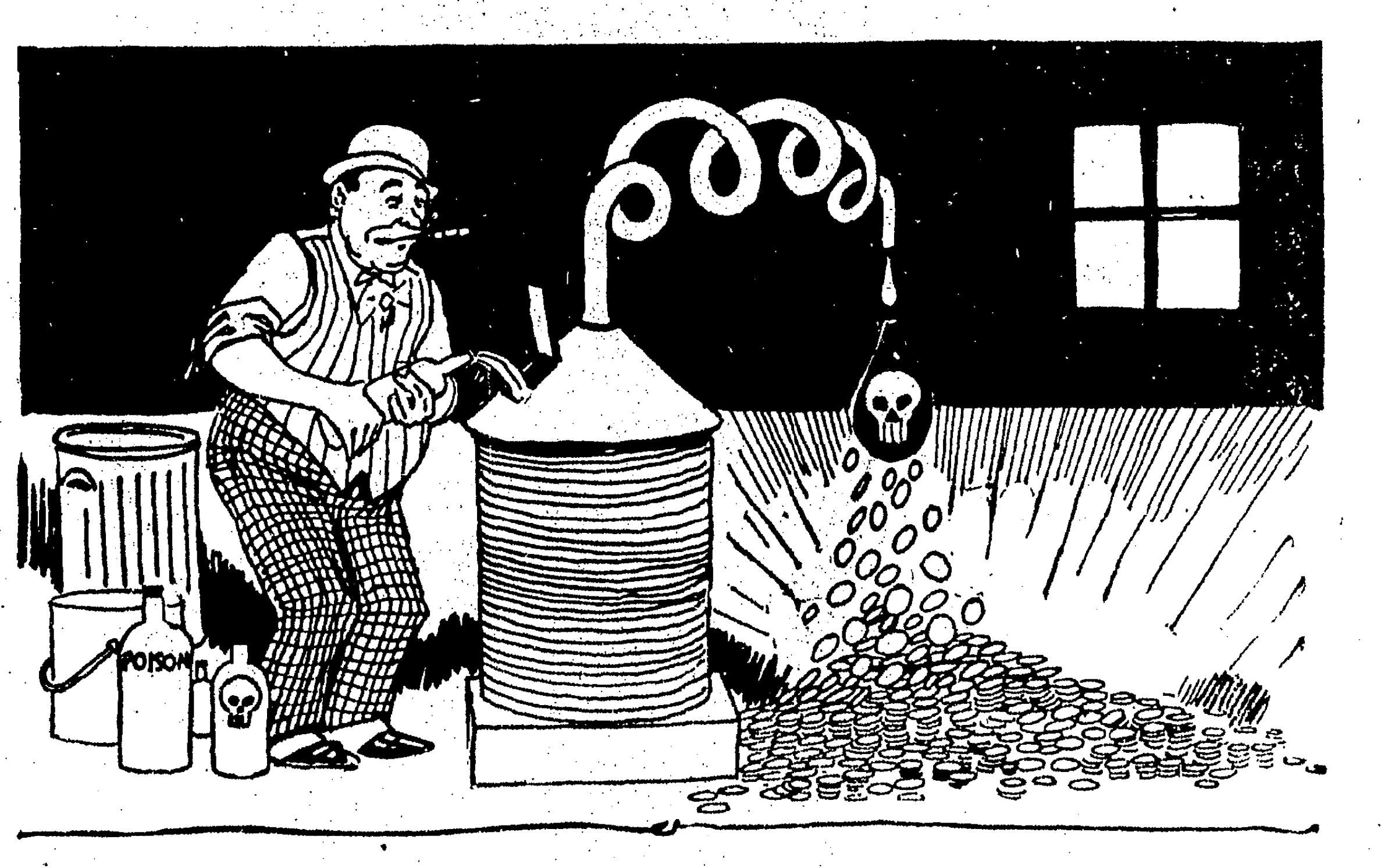
New Orleans item drawing, 1924, warning of the poisonous brews many bootleggers were selling.
September 2026“We drank because they told us we couldn’t…” Undeterred by a constitutional amendment, the threat of arrest, or the very real possibility of drinking bootlegged poison, the French Quarter’s party roared on throughout the 1920s.
– by John Shelton Reed
Writer Hamilton Basso wrote that “if I never much hankered after Paris during the expatriate years, it was because, in the New Orleans of that era, I had Paris in my own backyard.” The Vieux Carré of the 1920s, he said, was “a sort of Creole version of the Left Bank.”
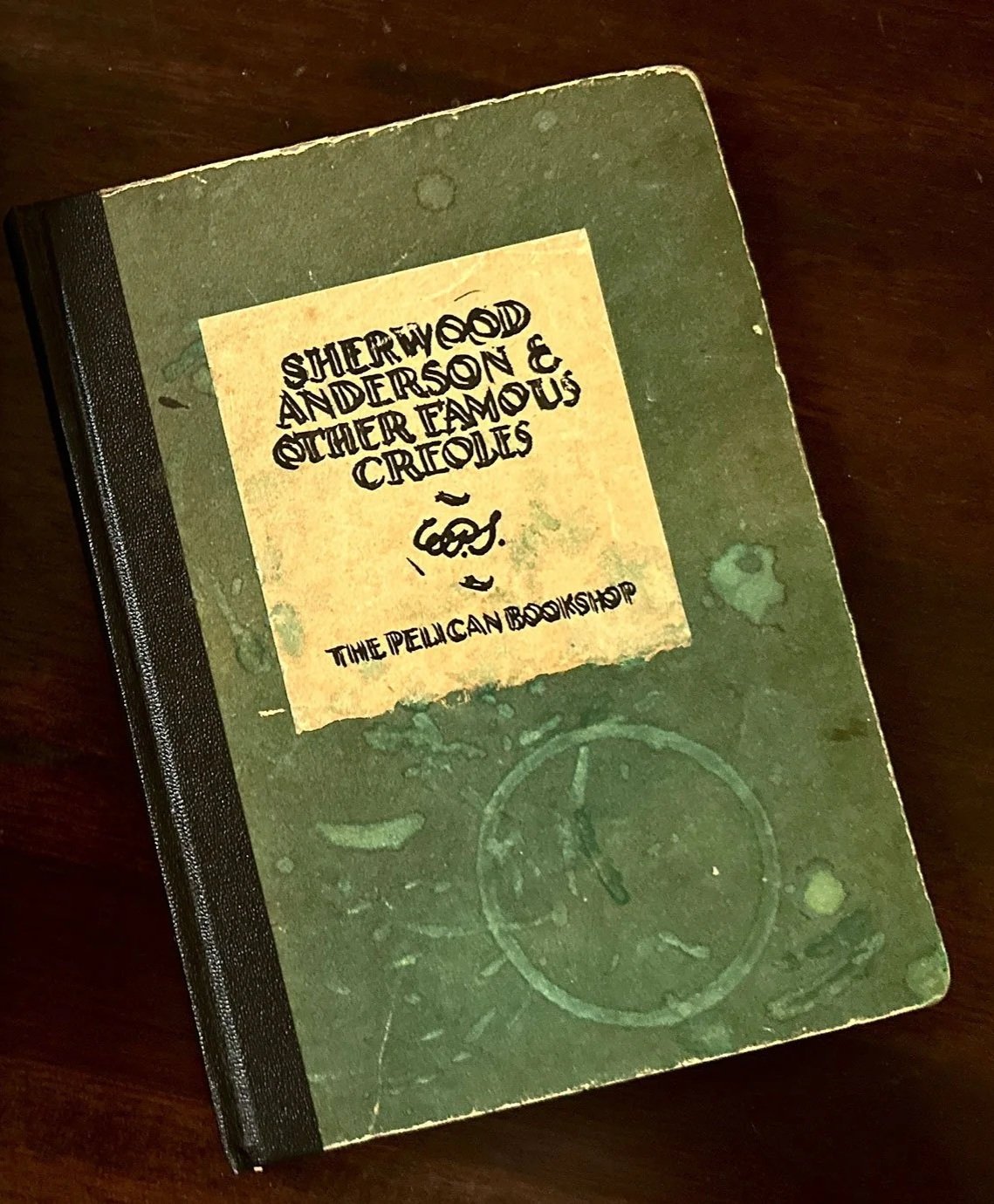
My book Dixie Bohemia: A French Quarter Circle in the 1920s explored that scene. It focused on a group of artists, writers, musicians, poseurs, and hangers-on portrayed in another book, Sherwood Anderson and Other Famous Creoles, put together exactly one hundred years ago by two young members of that group, William Spratling and his apartment-mate William Faulkner (yes, that William Faulkner).
In my book I had to deal with “vice” and illegal alcohol in the Quarter; what follows is adapted from it. The New Orleans version of Bohemia was tamer than the classic nineteenth-century Parisian version, which floated on the surface of an underworld of opiates and wide-open prostitution. Still, things were pretty spicy for 1920s America.

This column is underwritten in part by Logo and name of column sponsor

Dixie Bohemia by John Shelton Reed, profiles all 43 of the artists and friends who were included in the Faulkner and Spratling’s original book. Click here to purchase from your favorite local bookstore.
For young Americans in the 1920s, the French Quarter was exotic and exciting. Pulitzer Prize-winning writer Oliver La Farge later described it as “a decaying monument and a slum as rich as jambalaya or gumbo.”
Anything could happen there, in the blocks of houses too beautiful to be true, under balconies and in the shadows of the arches, and where the jangling, jerry-built shacks have fought their way in among the ancient bricks. . . . Anything could happen in a town where the signs on the trolleys along Canal Street showed that one line ran to Desire and one to Elysian Fields.
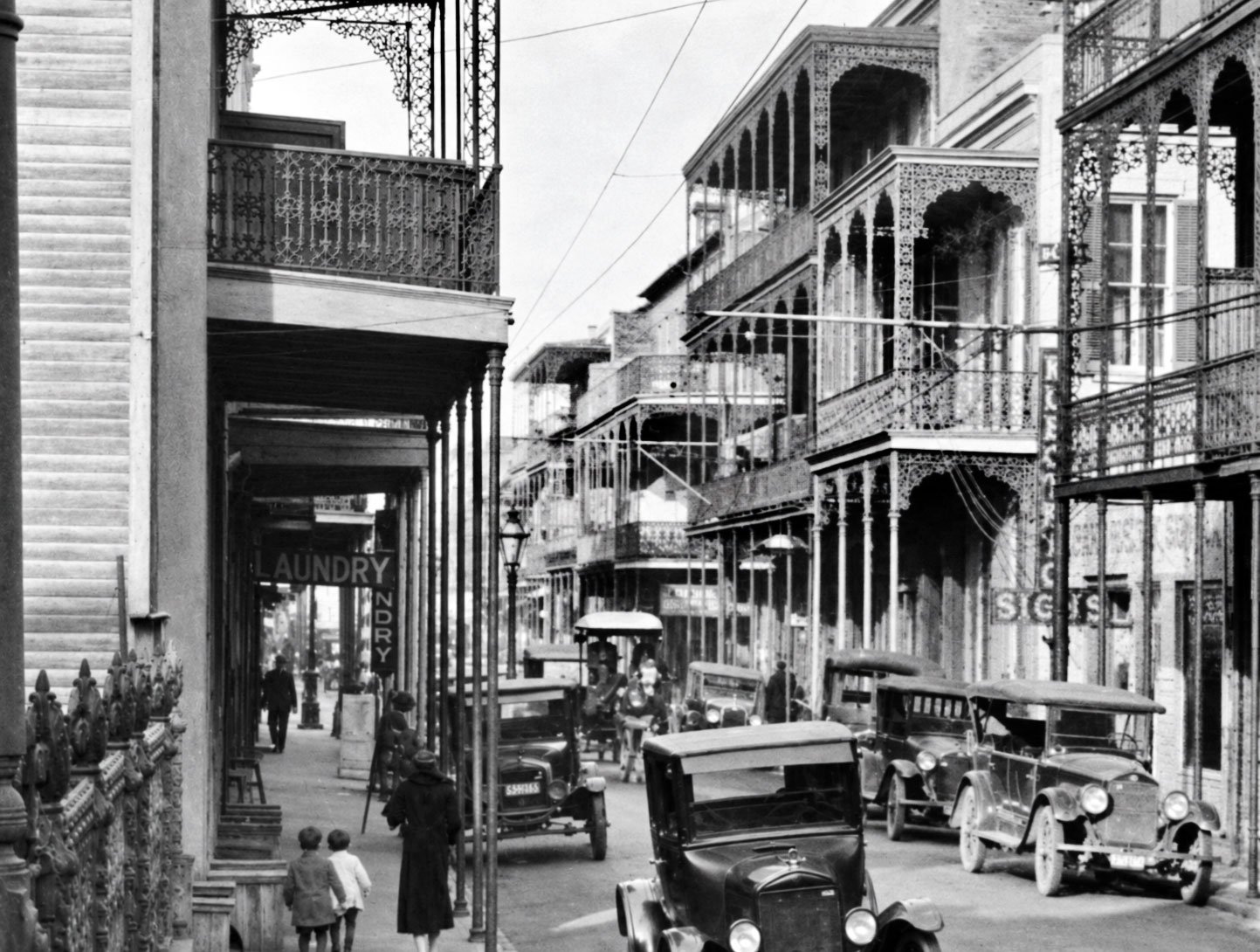
The 900 block of Royal Street in 1926. The Cornstalk Fence is visible in the left foreground. Creative Commons
“There were sailors of all kinds,” he said, “antique dealers, second-hand dealers, speakeasies galore, simple workmen, a fair variety of criminals, both white and colored nuns, the survivors of a few aristocratic Créole families clinging to their ancestral homes, merchants of all sorts, and whole blocks of prostitutes.”
He wasn’t exaggerating about the prostitutes. “Storyville” had been created in 1897 as a legalized red-light district to pull prostitution out of other neighborhoods and concentrate it in the blocks around Basin Street immediately above the Quarter.
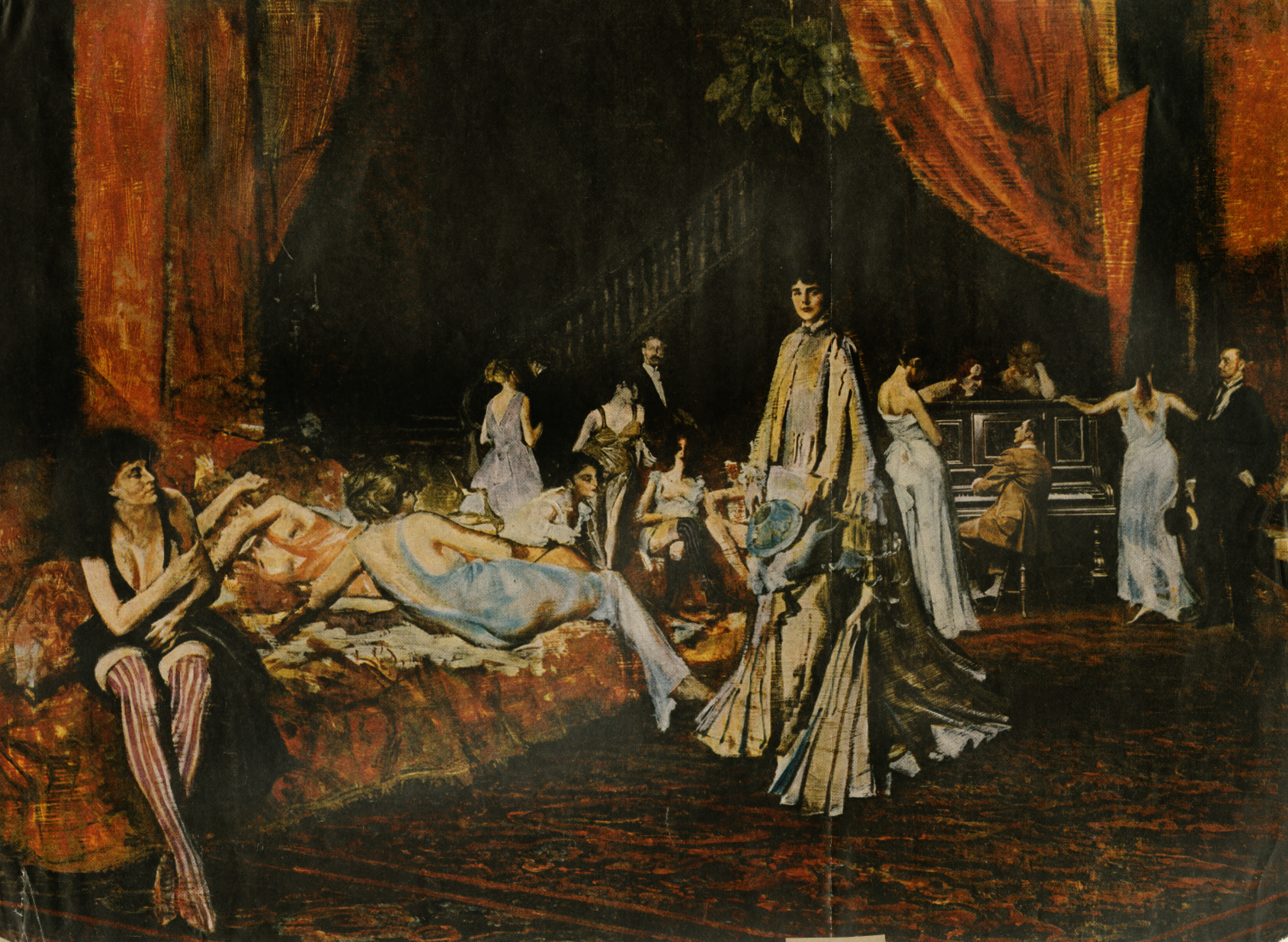
Illustration of an opulent Storyville brothel. When Storyville closed in 1917, many houses of ill repute relocated to the French Quarter. Historic New Orleans Collection, 1974.25.15.118
When Storyville was closed in 1917, however, some prostitution shifted back across Rampart Street, to where it had existed before. By La Farge’s time, the Quarter offered both upscale “parlor houses” – like the elegant, discreet brothels run by Norma Wallace, the city’s most famous madam – and low-end cribs and “shutter girls,” especially on the up-river ends of Dauphine and Burgundy.
For some, including La Farge, that was part of the Quarter’s appeal. He had come to New Orleans from New England, a Harvard graduate and an innocent. But he didn’t stay innocent long.
“The hot nights stirred you until you had a cat’s longing to prowl, down streets turned utterly silent, past speakeasies, by doors that gave out snatches of music, and the blocks where the whispers and eyes of the whores behind the shutters made a false promise of romance.”
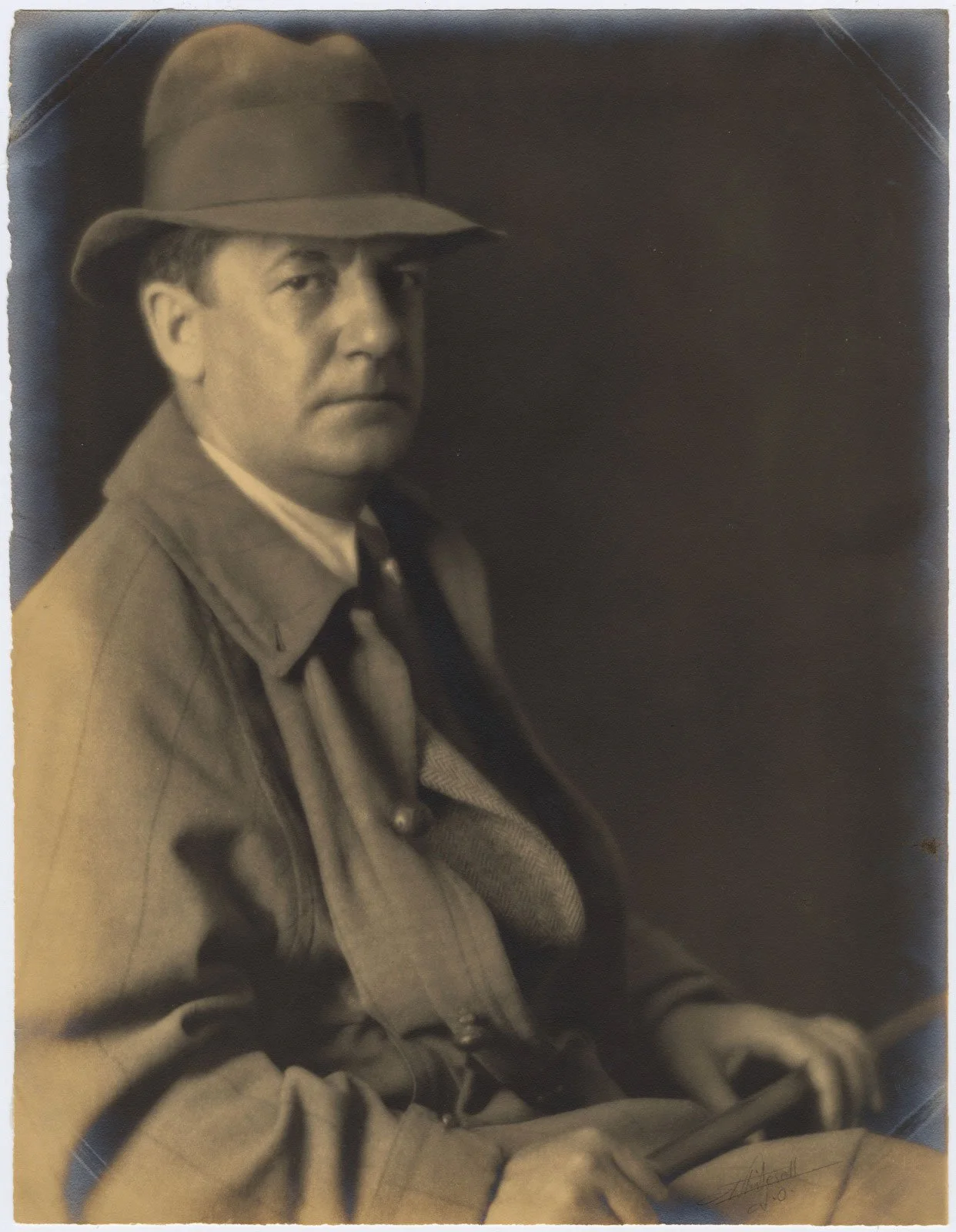
Sherwood Anderson portrait by French Quarter photographer and friend, “Pops” Whitesell in 1925. Historic New Orleans Collection, 1978.122.7
Some of the bohemians patronized these prostitutes (although, unlike their Parisian counterparts, they didn’t socialize with the working girls) and the Quarter’s vice was a sort of tourist attraction, even for visitors who weren’t themselves in the market.
When New York writer Carl Carmer came to town, he was taken to see Louise’s, “a whorehouse of great distinction in the Quarter,” while his wife went to meet Aunt Rose Arnold, a wealthy retired madam with a fondness for artists and writers. Sherwood Anderson enjoyed Aunt Rose’s company, introduced Faulkner to her, and wrote the three of them into a short story.
Poet John McClure took the visiting H. L. Mencken to Tom Anderson’s tavern on Rampart Street, which had a brothel upstairs. The Cadillac Bar next door was even dicier, allegedly with rooms for smoking opium. But Anderson’s was a favorite eating and drinking place for McClure, Faulkner, and novelist Roark Bradford.
Other members of the circle patronized Celeste’s, which Carmer described as “the lowest joint in New Orleans – filled with lesbians, homosexuals, and the rest of us.” It was across from the police station.
Male prostitution was part of the story, too. Journalist Flo Field stumbled on a link between the art scene and that demimonde when she met a young artist at an Arts and Crafts Club exhibition and went back to his apartment to see his drawings. She found that he and his two roommates were “all starving,” so she took them under her wing, bought them milk, and gave them money.
But she was dismayed when one of them, “a boy like a beautiful 16-year-old girl, but no front teeth,” who worked as an artist’s model, made his “girlish confessions” to her. He had posed for an uptown artist and teacher, he said, and the man had “assaulted” him, but he “wasn’t going to let anything stand between him and making two dollars posing!”—and was going to pose for the man again. He also told Field that his artist roommate was “selling his body every night.”
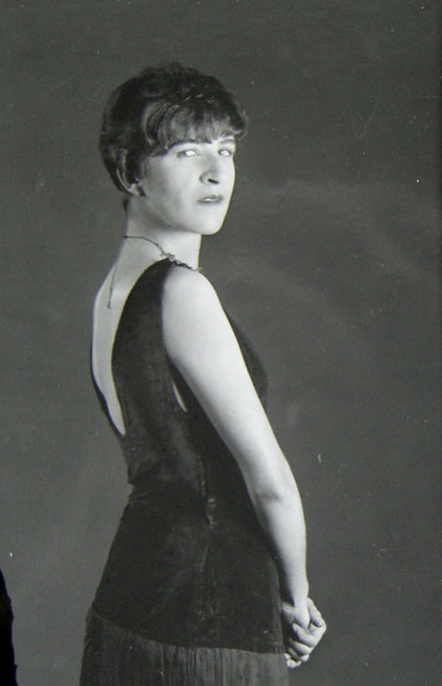
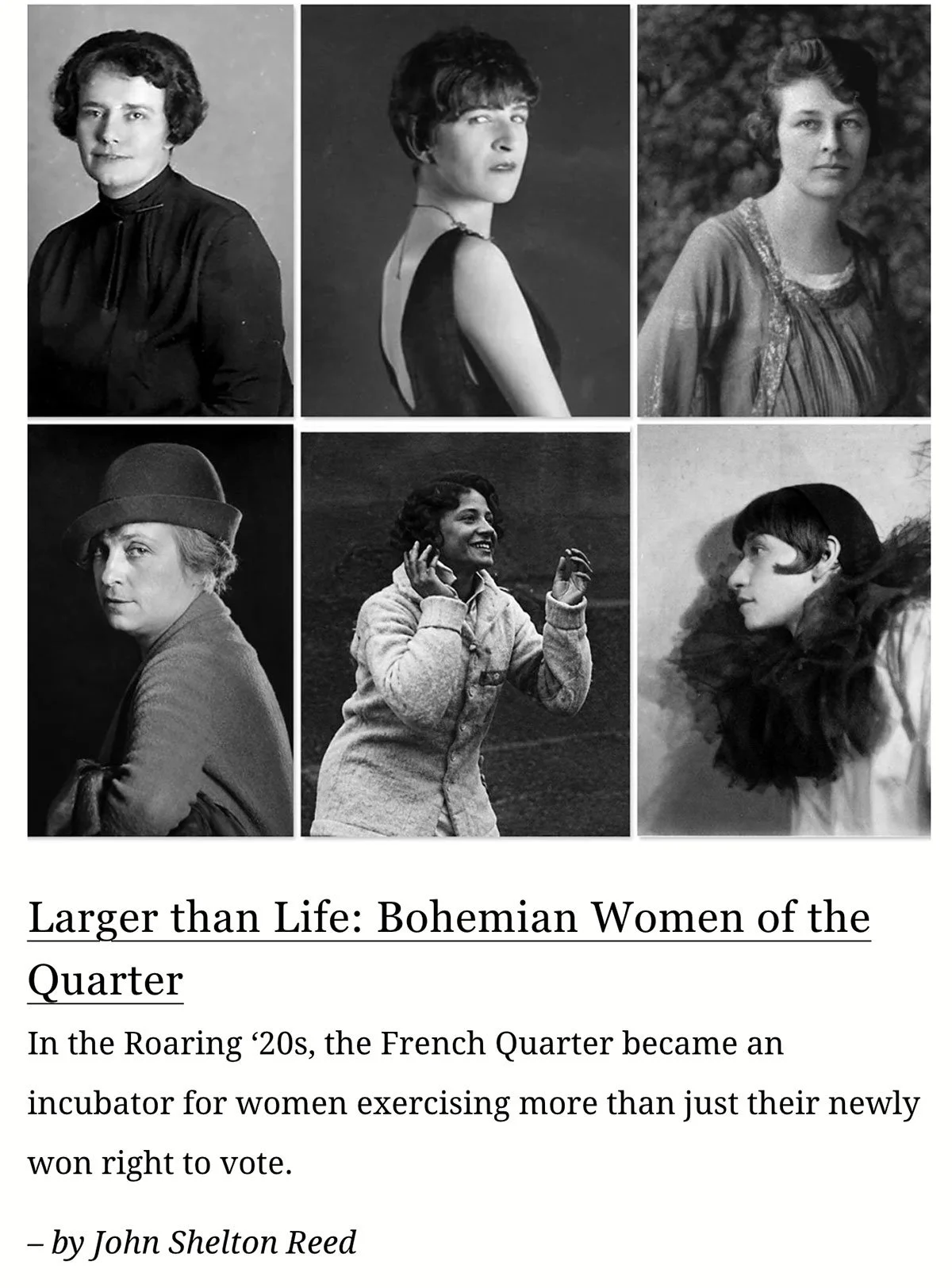
The elegant and vivacious pianist Genevieve Pitot. Read more about her in “Larger than Life: Bohemian Women of the Quarter,” by John Shelton Reed
A more respectable component of the Famous Creoles’ circle was what Basso remembered as “a fairly dazzling collection of pretty girls [whose] part in this here twentieth century American literary renaissance will never be fully appreciated.”
Thirty years later William Odiorne particularly remembered cute Lucille Godchaux Antony, who often wore a painter’s smock, and the elegant and vivacious pianist Genevieve Pitot. Odiorne also recalled Odette Goldstein, a Brazilian reputed to be the most beautiful woman in New Orleans, and an Arkansas girl known as “Musetta,” so chic she could have been a Parisienne, whom Spratling gallantly escorted to and from Tulane to pose au naturel for his art classes.
But many of the pretty girls remain nameless, like the “New Orleans debutantes” Sherwood Anderson’s wife Elizabeth remembered (not with pleasure), who “visited us regularly.” One of them “dropped her purse, knocked over her chair, and ran away in fright” when Sherwood rushed at her with his shirt completely open, to grab her for a dance.
Anderson’s young friend Adaline Katz recalled that, although everyone probably believed in “free love” – certainly they talked about it a lot – there was less than one might have expected: the men, she told an interviewer (perhaps a bit scornfully), “drank a lot and talked a lot and then drank a lot.”
She was right about the drinking. Bootleg liquor was as much a part of the scene – and emblematic of it – as marijuana would be for a later generation of bohemians.
“The big thing that bound all those artistic people together was alcohol,” cartoonist Keith Temple claimed, and his neighbor and his friend Louis Andrews Fischer recalled that “everybody was a heavy drinker then.”
Genevieve Pitot remembered “well lubricated” parties, where women might wear shawls in the summer heat to conceal bottles. Liquor was a social necessity, Pitot said, and Spratling agreed.
“We could do our friends proud,” he said. “We always had plenty of liquor for all comers.”
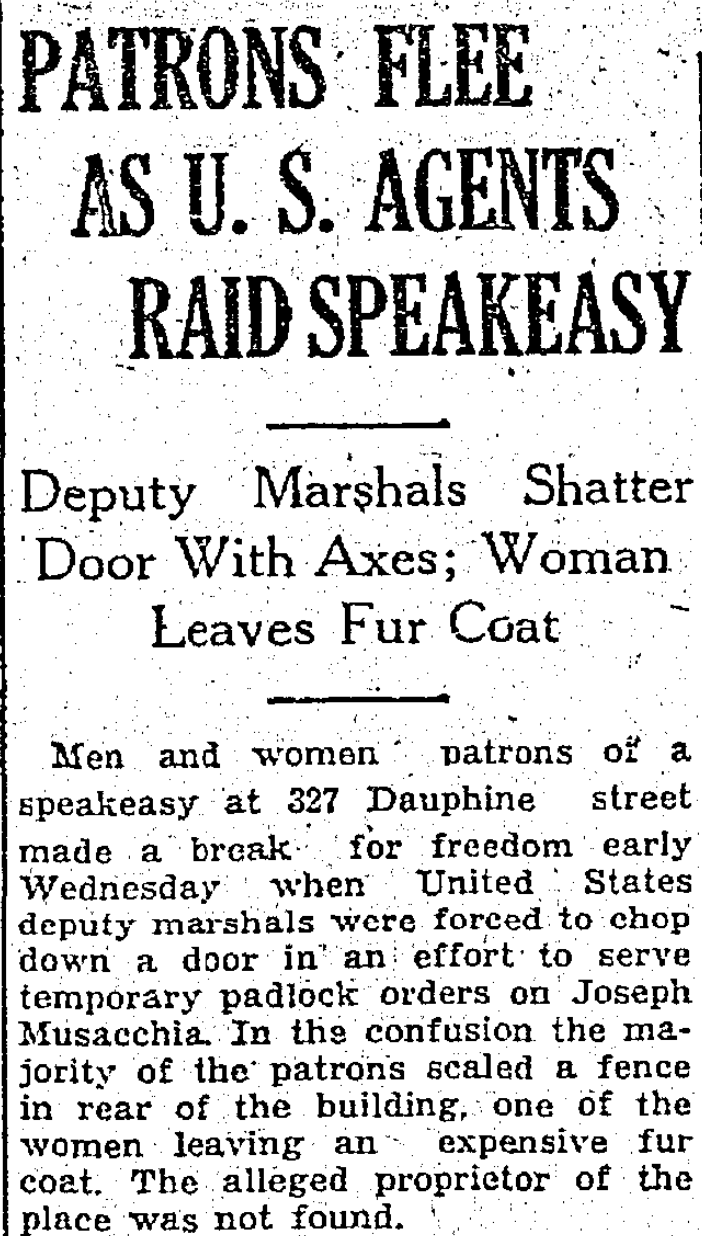
A report of a speakeasy raid on December 11, 1930 issue of the Times-Picayune
Opinions differed about why alcohol was so important. Temple told an interviewer later that, paradoxically, Prohibition was the reason: “We did not know whether or not we would be able to get a drink tomorrow or ever again, so we drank whatever came to hand,” and Pitot said something similar: “It was that horrible thing of ‘You can’t do this.’ We drank because they told us we couldn’t.”
Elizabeth Anderson added, “We all seemed to feel that Prohibition was a personal affront and that we had a moral duty to undermine it.”
That wasn’t difficult. Tulane philosophy professor James Feibleman acknowledged that Prohibition was in force, “but New Orleans did not seem to have heard of it.” When Marc and Lucille Antony had parties, they invited the neighborhood cops up for drinks.
Floods of liquor came from Cuba and the Bahamas through any of several bayou routes to the Mississippi or Lake Pontchartrain. (Faulkner spun fantastic yarns all his life about his involvement in this romantic business – complete with circumstantial details about hidden sand spits where Cuban schooners stashed barrels of alcohol.)
In the city, the thirsty could easily get a drink at one of the seventy-four French Quarter bars that Elizebeth Werlein once counted in a nine-block radius, or served more discreetly in teacups at restaurants like Arnaud’s.
“Speakeasies flourished openly,” Elizabeth Anderson recalled, “and far into the night their music blared out and mingled on the still busy streets.” The bars also added a “winy-beery smell” to the Quarter’s “rich, spicy aroma” of roasting coffee and seafood.
The underworld organization run by Sylvestro “Silver Dollar Sam” Carollo, a “produce dealer” on St. Philip Street, almost completely controlled the supply of liquor in the city and those who wanted a bottle could get one at Sicilian-owned groceries like Joe Cascio’s at St. Peter and Royal, or Manuel and Teresa’s across the street.
However, the “bourbon,” “Scotch,” and “gin” sold at these places were most likely Cuban grain alcohol flavored with iodine, creosote, and juniper-berry essence, respectively. Faulkner’s rum-running fantasy incorporated a little Italian lady who did the flavoring.
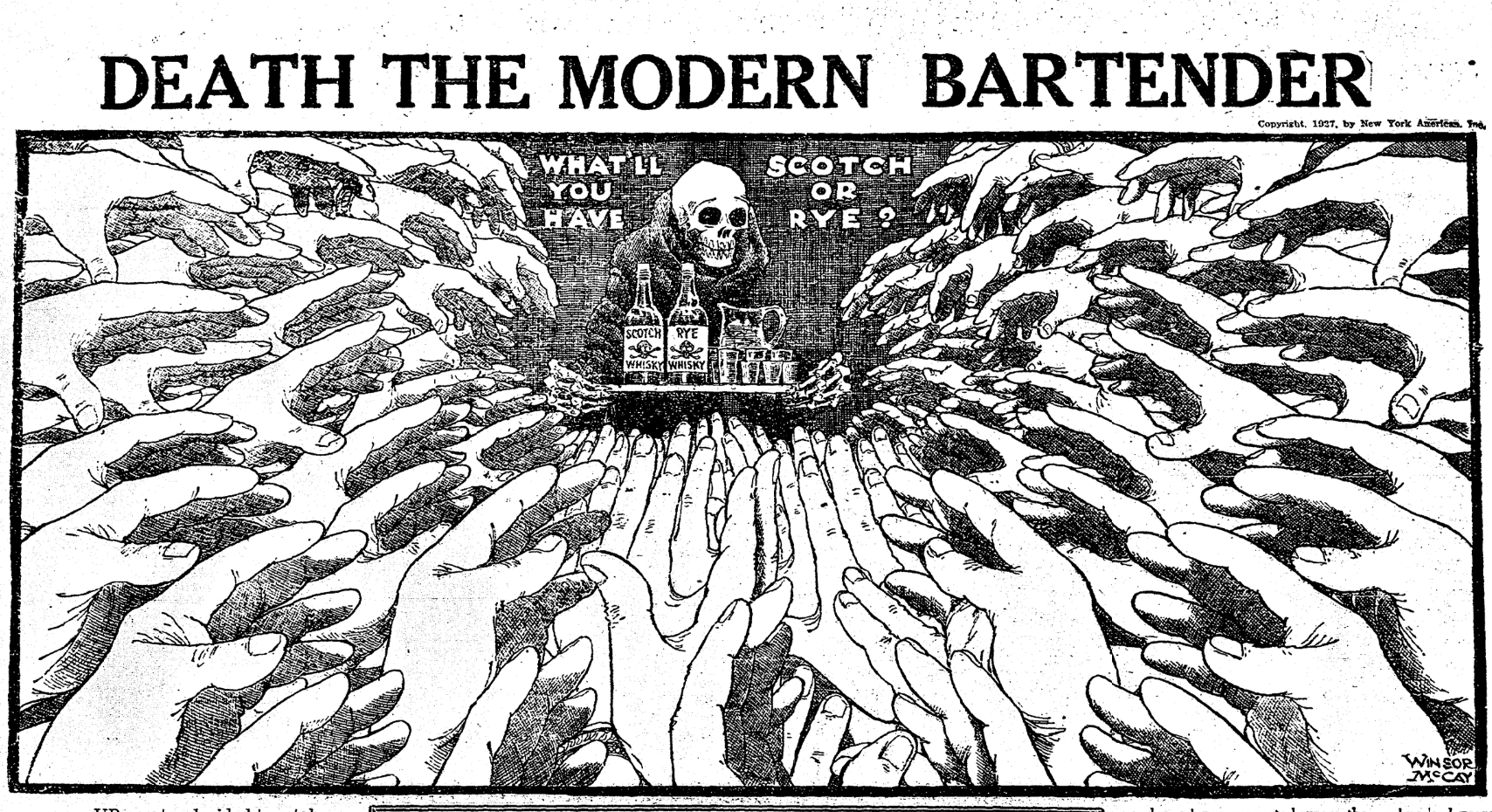
This is one of many illustrations in the public education campaign discouraging use of bootlegged alcohol. Published by the New Orleans State, 1927
Alternatively, one could find a bootlegger. Faulkner got his liquor from a priest at the cathedral (later defrocked, it was said, for “impairing the morals of young girls”), while Spratling bought ten large jugs from a woman whose bootlegger husband had died.
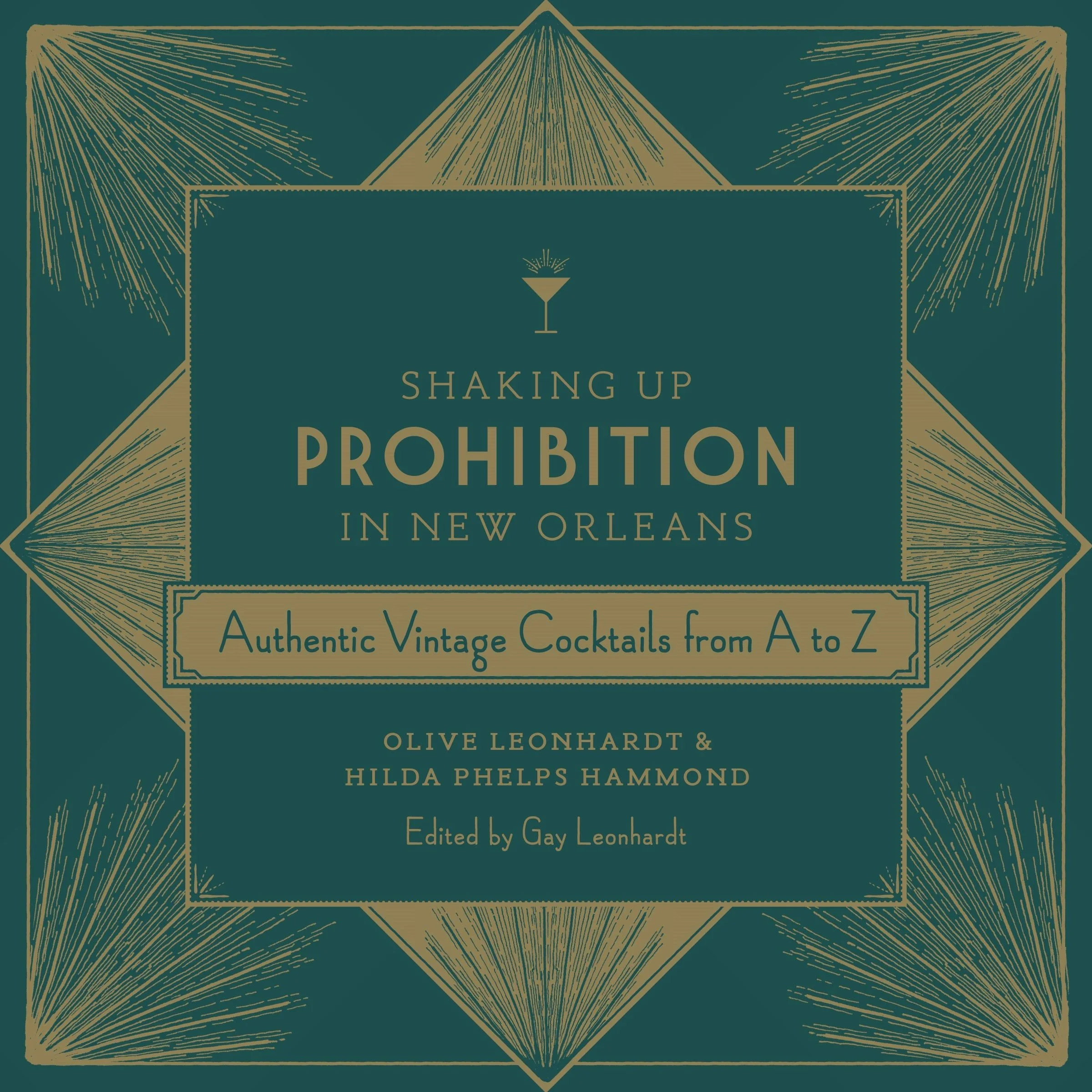
Originally assembled by New Orleans artistr Olive Leonhardt and Hilda Phelps Hammond around 1929, this delightful compendium applauds the city's irrepressible love for cocktails in the format of a classic alphabet book. A charming reprint is available from LSU Press.
And do-it-yourselfers could easily make their own. Musician Harold Levy was a well-connected local, so he got his alcohol and “essential oils” from a druggist friend. But anyone could go “fishing” by paying a fisherman to rent a skiff and picking up a five-gallon can of alcohol stashed in the marshes.
With alcohol in hand, you could make the popular “needle beer” by injecting (legal) near-beer with it or your own mock-gin with juniper essence from Solari’s grocery at Royal and Iberville. Spratling rolled the cans across the floor for aeration; otherwise, he said, the taste was rather flat.
The favorite drink of all was what was called “absinthe” – possibly just licorice-flavored Cuban alcohol, but whatever it was, “the green fairy” had a decadent Continental allure. A Swiss man living in the Quarter made it himself, and at six dollars a bottle, it wasn’t cheap, but Spratling recalled making up “great pitchers for all our parties.”
When it was poured over crushed ice with just a touch of water to make an “absinthe frappé,” Mrs. Anderson attested, it had very little taste of alcohol, so “it was consumed in quantities.”
Temple was asked years later whether all this homemade hooch was any good.
“Indeed it was!” he replied. “It was cheap and tasted fine, and we certainly drank a very great deal of it.”
For the French Quarter bohemians of the 1920s, that seems to have been recommendation enough.