Fame Factory: The New Orleans Center for Creative Arts

Guest artist and New Orleans legend Charlie Gabriel teaching a Jazz Master Class at NOCCA, photo by Elizabeth McMillan
September 2026For more than half a century, the city’s arts conservatory has been fostering local talents and bringing “wildest dreams” to life.
– by Doug Brantley
When Skye Jackson stepped onto the Chartres Street campus of the New Orleans Center for Creative Arts (NOCCA) in late August, it was as though she had come full circle.
In a way, the acclaimed poet—whose debut collection, Libre, is this year’s selection for One Book, One New Orleans’ citywide reading and literary initiative—had.
Just back from a summer stint in Paris, where she was a guest artist at the annual Mnemosynes poetry workshop series and presented to students in the prestigious Oxbridge academic program, Jackson knows NOCCA well. It was where she honed her writing skills from 2004 to 2008.
And it is there Jackson often returns, in between serving as the Visiting Writer & Lecturer at Xavier University and teaching in LSU New Orleans’ Master’s program (while simultaneously acting as poetry editor of French Quarter Journal), to facilitate masterclasses and student workshops, as she did this past August.

This column is underwritten in part by Logo and name of column sponsor
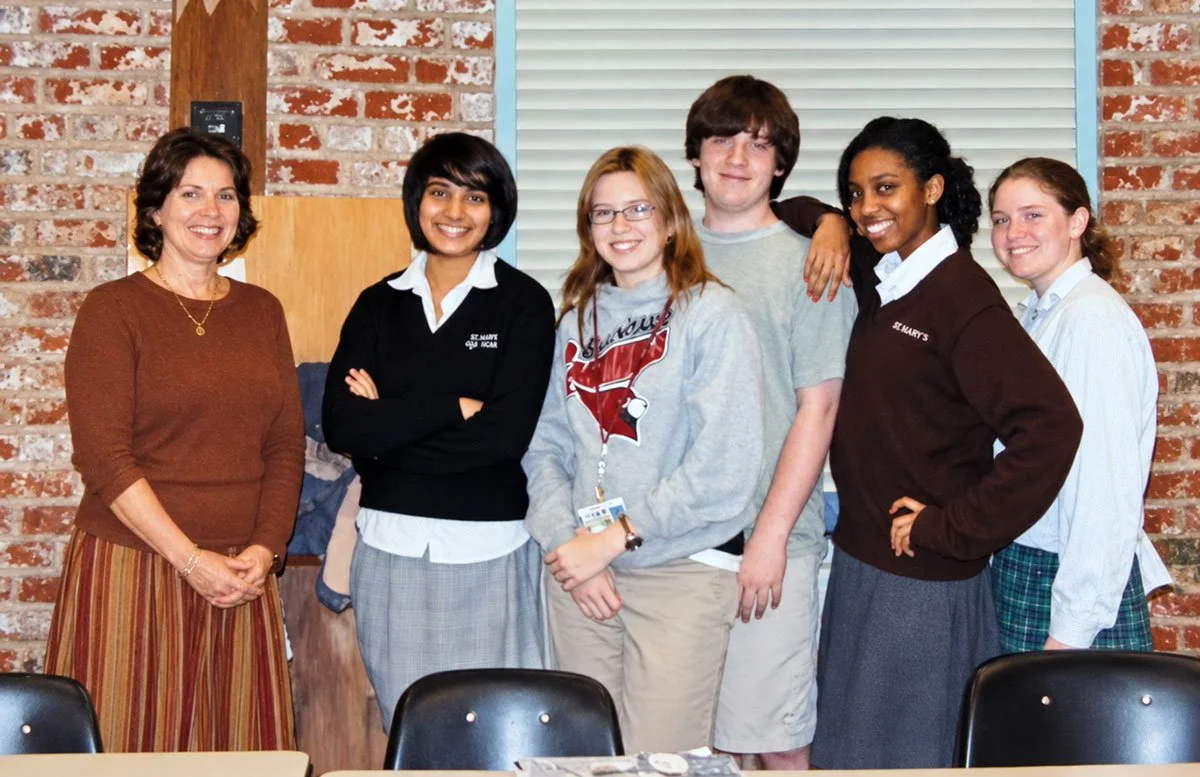
Skye Jackson (second from right) as a student at NOCCA, courtesy Skye Jackson
“NOCCA is like the LaGuardia of the South,” Jackson says, nodding to the renowned Manhattan-based, arts-focused high school that inspired the movie “Fame.”
“It was such a free and safe artistic environment to grow and develop in. And the alumni that have graduated from there are so legendary. I’m always amazed when I think about it.”
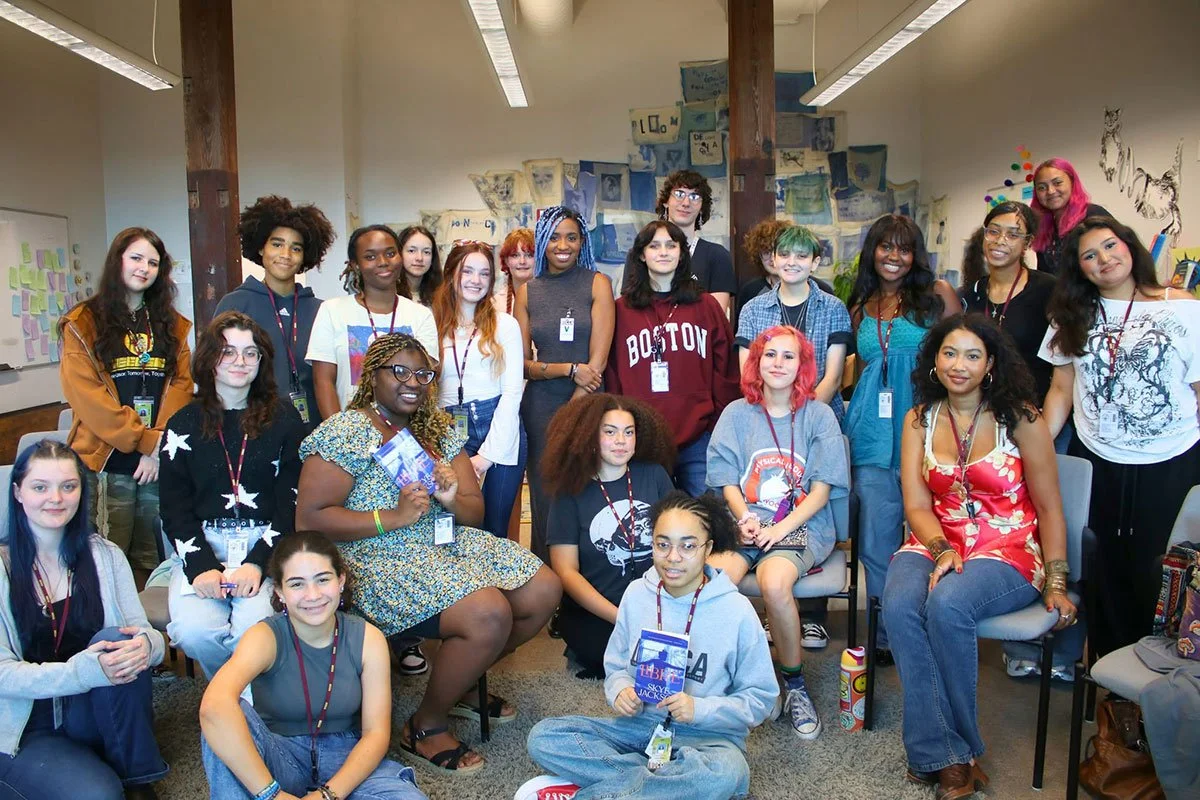
Skye Jackson (center, grey dress) with a class she taught at NOCCA in 2025. Photo courtesy Skye Jackson
The Marsalis brothers (Branford, Wynton, Delfeayo and Jason), Harry Connick Jr., Jonathan Batiste, Terence Blanchard, Terrance Osborne, Anthony Mackie, Joshua Stewart, Wendell Pierce, Trombone Shorty, Lolis Eric Elie, Brandan “B-Mike” Odums—the amount of top-tier talent NOCCA has churned out since its opening in 1974 is truly astounding.
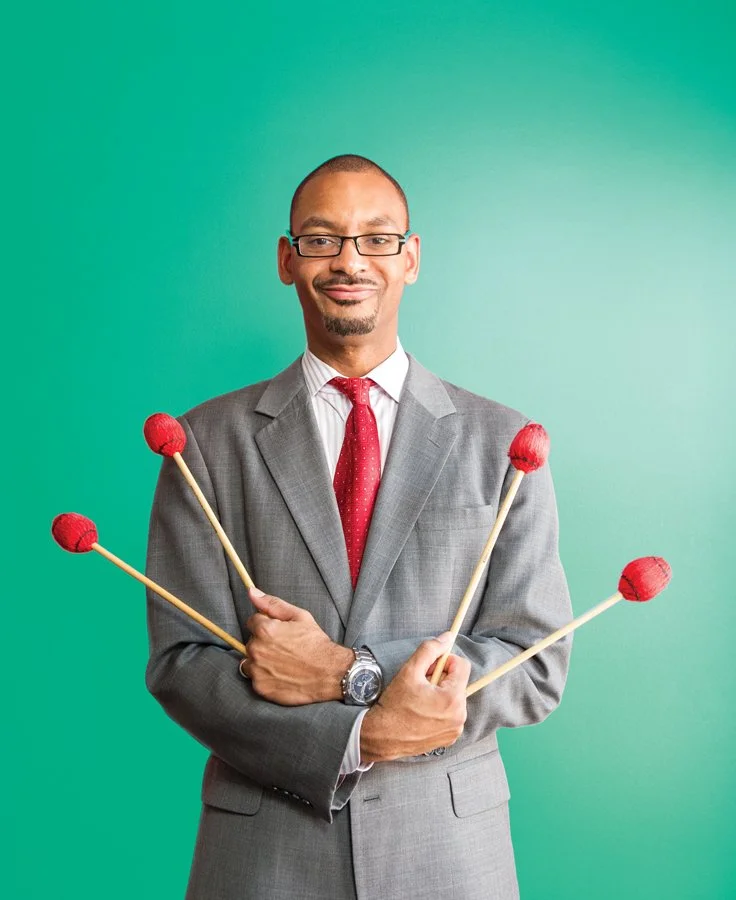
Jason Marsalis, photo courtesy of Elsa Hahne, Offbeat Magazine
Even more impressive are the number of alums who, like Jackson, actively engage in giving back to the institution that helped nurture their talent and propel their careers.
Take 1995 graduate, drummer Jason Marsalis, who has taught at NOCCA periodically since 2008 and was recently named Jazz Department Instructor.
“My formal music studies were codified during my years at NOCCA,” he notes. “While I had been studying music since I was a kid, I studied much deeper there and my musicianship rose to a higher level.
“The main lesson was being excellent and representing a high standard in whatever you decide to achieve.”

Shanekah Johnson, NOCCA Foundation’s executive director
It’s that sense of artistic integrity and, as NOCCA Foundation executive director Shanekah Johnson puts it, “expanding your wildest dreams” that continues to drive students from around the state to the Marigny neighborhood arts incubator some 50 years in.
“This is where, across generations, the seeds are planted,” says Johnson. “This is where our musicians, our artists, our chefs, our writers and dancers get their development and become who they are going to be.”
Originally housed in an aging Uptown elementary school, NOCCA’s now-sprawling, state-of-the-art facility bordering the Bywater continues to grow, along with its curriculum.
Initial course offerings were limited to music, theater and visual arts. Today, classes cover 10 disciplines, including dance, culinary and media arts, and production design. Under-discussion additions range from fashion and gaming design to architecture and arts management.
NOCCA’s student population has increased too. Current enrollment clocks in at around 420 from 60-plus sending schools from up to 18 South Louisiana parishes, drawing students from as far as Baton Rouge and Houma.
The majority are half-day conservatory students, who buffer their academic classes elsewhere with arts training at NOCCA. The remainder attend full days on campus, studying academics in the morning and arts in the afternoon.

NOCCA president Silas Cooper
Such a breadth of backgrounds and diversity in societal exposure is what NOCCA president Silas Cooper considers the school’s “secret sauce.”
“When they first get here, students are pretty sheltered and have had a similar experience to everyone they are in school with,” Cooper says.
“Then after a year here, getting to know and be friends with so many different students from so many different experiences, it really starts to evolve who they are as people and as artists.”
Johnson sees a similar effect from the NOCCA Foundation’s Summer Study program, which funds students’ extended training during summer months at such notable national institutions as the Julliard School of Music.
“When they come back, they are so expanded,” Johnson says. “There’s such a difference in the way they present themselves and their art. There’s a maturity that happens.
“It’s the same as when we bring in guest artists and artists in residence.”

In addition to its 70 full-time instructors (almost a third of whom are former grads), NOCCA hosts between 80 and 100 visiting artists annually. This year that includes New Orleans-born saxophonist Victor Goines, who served as the first director of the jazz studies program at Julliard.
“The beauty for everyone who attends NOCCA is, because of who is teaching them, they’re all at least a second-generation artist,” says Cooper. “Because we teach them off our own life lessons—and the mistakes we made as younger artists.
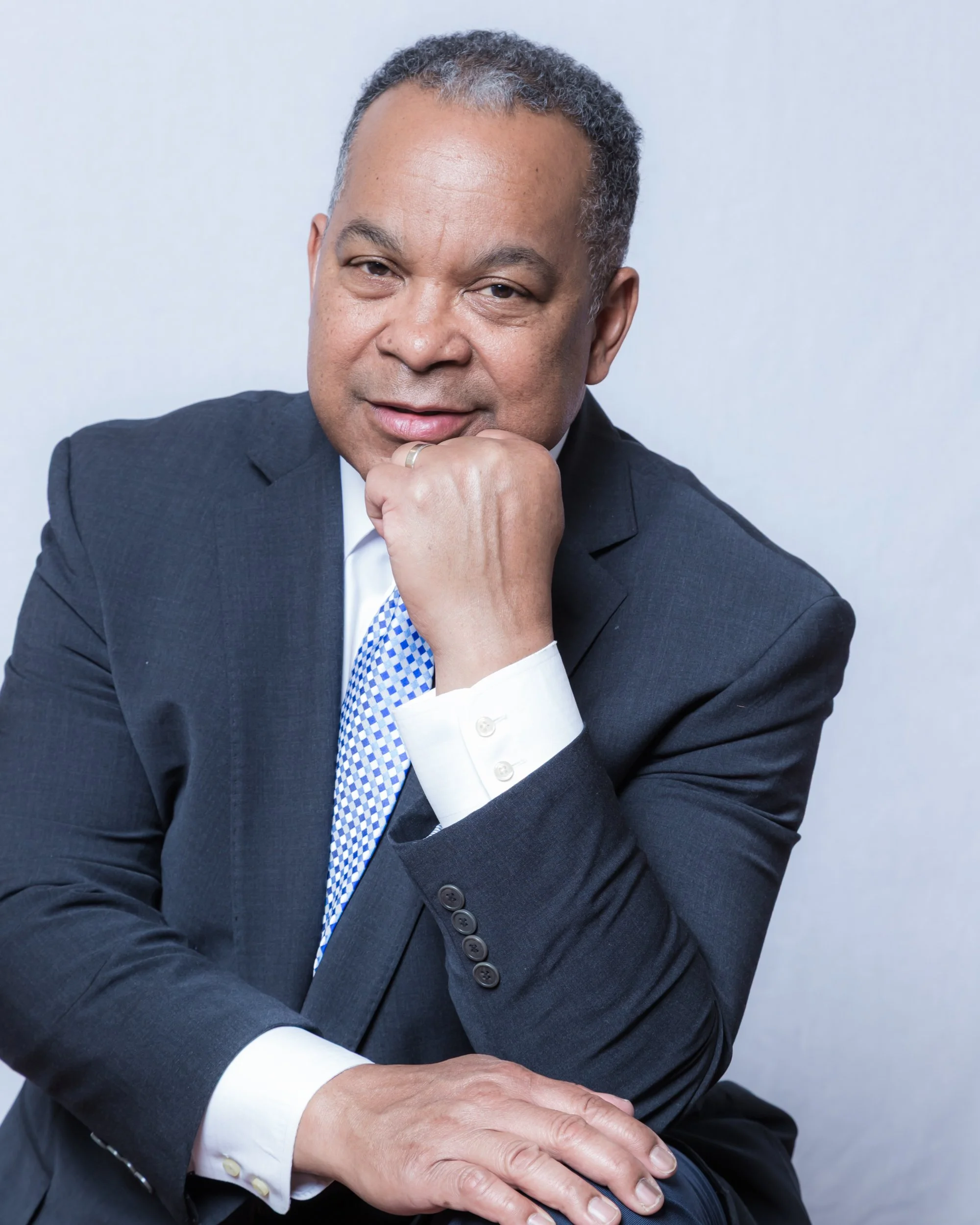
New Orleans-born saxophonist Victor Goines
“With that artist/apprentice model, we don’t approach them as high school students; we’re older artists collaborating with younger artists.”
It’s a formula for success that traces back to NOCCA’s founding days, with Marsalis’ father, Ellis, nurturing and imparting lessons learned to next-generation jazz greats for more than a decade.
“It’s important to pass on the tradition, so, we as a people know where we have been and what we can do to make things better,” says Jason, who continues his father’s mentoring legacy.
“The more history one is knowledgeable of, the more substance will be in the content of whatever they want to create.”
You see that generational continuum play out in the likes of 16-year-old piano phenom River Eckert. A NOCCA junior and already a breakout on the local club and festival circuit, Eckert counts Professor Longhair, James Booker, Dr. John and Allen Toussaint among his influences.
It's found in poet Jackson, as well, who continues to approach her art—and inform her own work with students—through the foundational lens gleaned from her NOCCA studies.


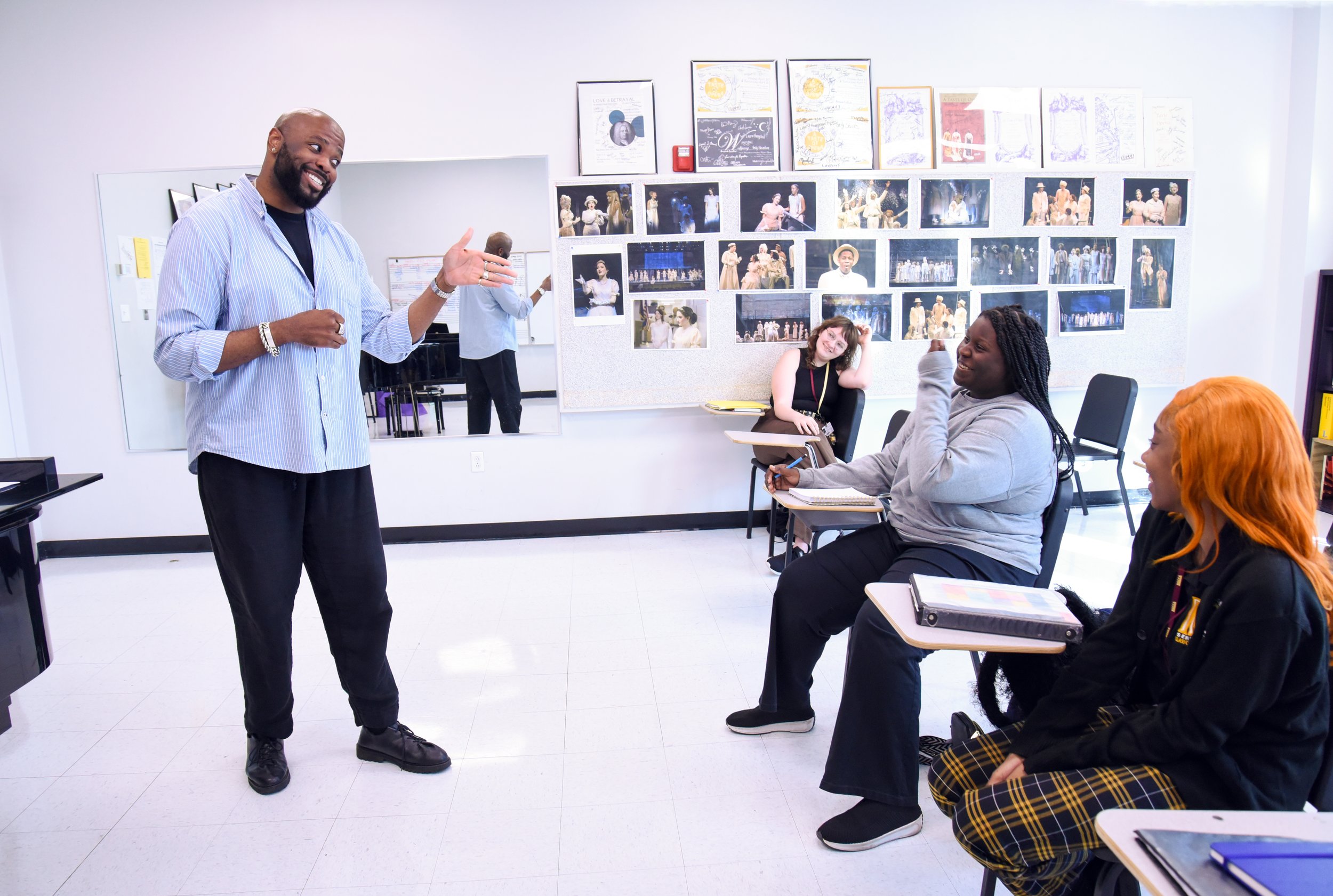


“It was a nurturing environment, but still a very rigorous program,” Jackson says. “Now, as an artist, I try to bring rigor to everything I do.
“And I hold my students to that same sort of critical thinking and rigorous demanding of self that I learned at NOCCA, to try and push yourself to the next level.”
Personal drive and self-discipline (“being excellent,” as Marsalis says) is key to NOCCA’s core, in addition to expanding students’ exposure and imaginations of what’s possible—their “wildest dreams.”
Cooper recalls peeking through a classroom door window during a recent student audition, where a teen saxophonist was performing, accompanied by Goines on piano, Chris Severin on bass and Marsalis on drums – and Don Vappie sitting in as instructor.
“I thought, ‘I don’t know if you’re aware of it, young man, but your quartet could tour just about anywhere you’d like.’”