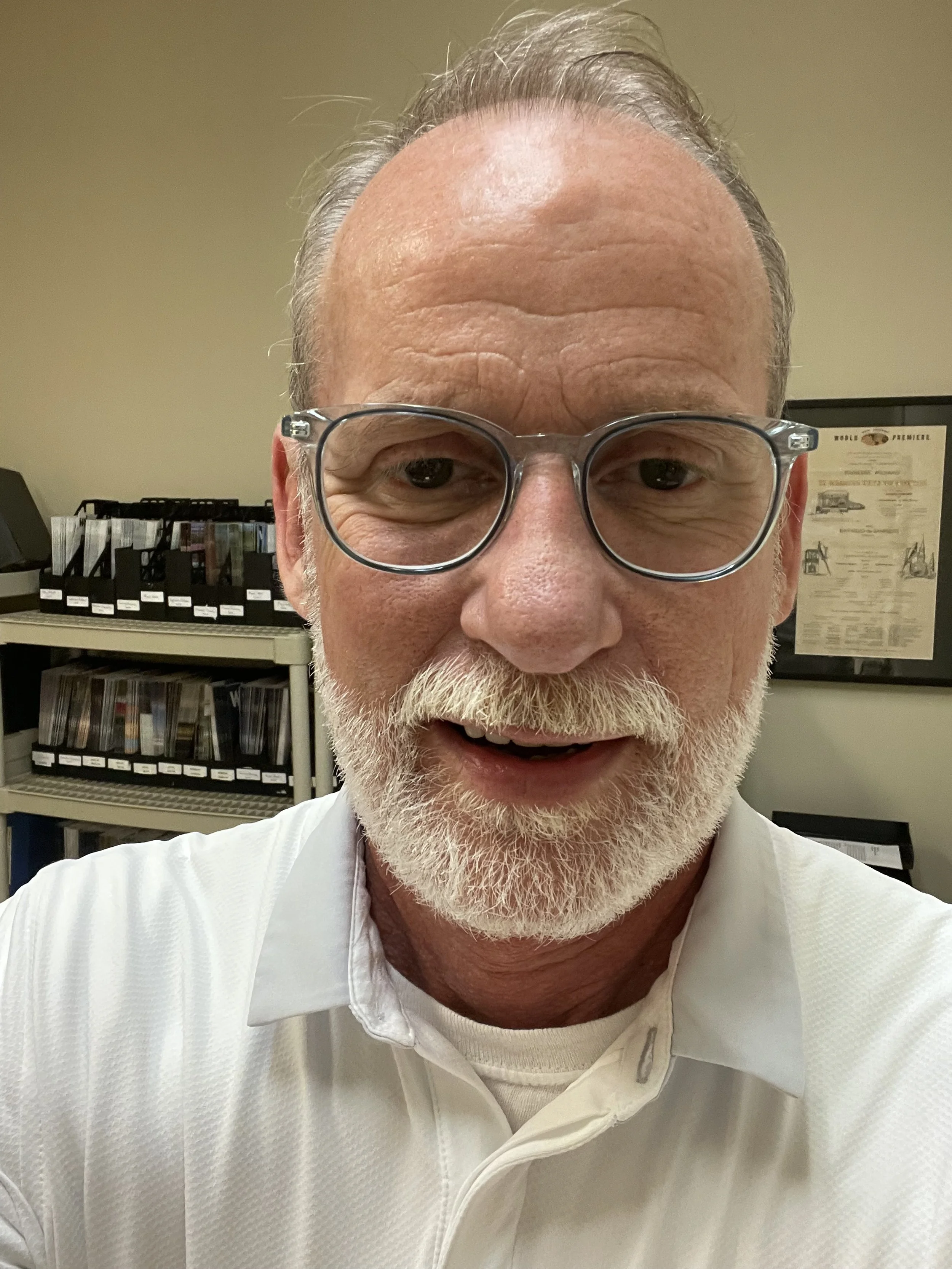

B.B. St. Roman in her Burgundy Street courtyard with the real Iko and the headdress legendary mask maker Mike Stark made for her to wear at her wedding. B.B. says she sometimes wears the headdress during Mardi Gras and takes Iko with her, going as a “mother/daughter” duo. Photo by Ellis Anderson for French Quarter Journal
October 2026From searching for shamans to crafting Voodoo candles, this French Quarter resident has led a truly charmed life.
– by Doug Brantley
A woman jogs past on the 500 block of Burgundy, then slows and calls out, “Good morning, Iko!” before moving on.
The man strolling behind her comes to a full stop, sips from his coffee and wags a finger in front of the grate. “Iko, Iko! Iko, Iko!”
“Iko!” answers the umbrella cockatoo perched inside the screened doorway.
It’s a scene that has played out multiple times a day for the past 34 years.
“They go by on bicycles, in cars, pedicabs, carriages – it just keeps going all day long,” says B.B. St. Roman, who acquired the squawking neighborhood novelty (named after the Dr. John cover song) shortly after purchasing her French Quarter home in 1991.
“She has a following of people who know her and don’t know me. To most, I’m Iko’s mom.”
The two are so intertwined and so synonymous with the fabric of French Quarter life that, when B.B. reigned as queen of the 2020 Krewe du Vieux parade, she rode atop a giant cockatoo-shaped float.

This column is underwritten in part by Logo and name of column sponsor
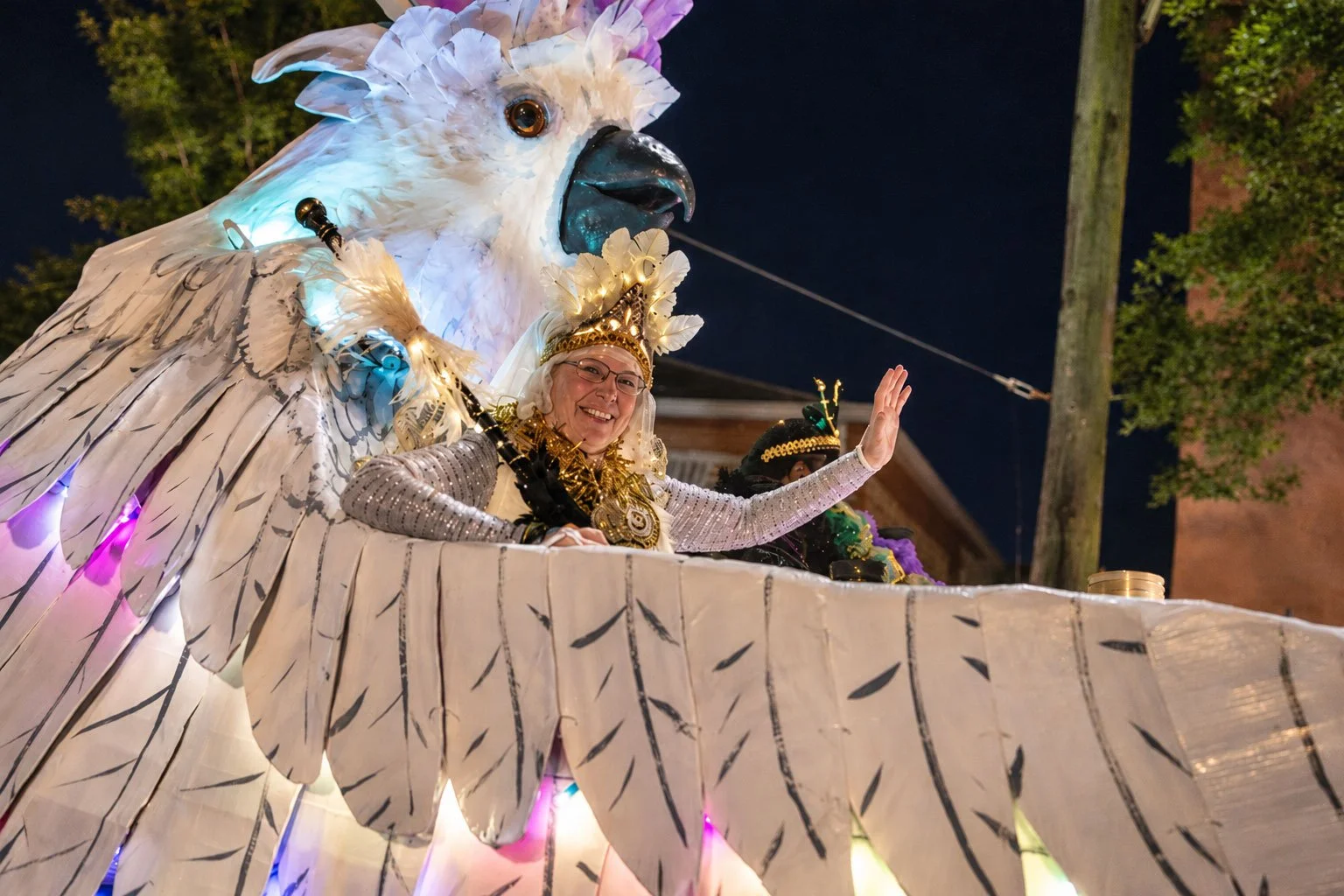
B.B. on the giant Iko float, reigning as Queen of Krewe du Vieux, photo courtesy B.B. St. Roman
But those who do know St. Roman know her as much more than just a bird lover.
Since 2004, she has led NOPD’s Eighth District Homeless Assistance Unit, transporting thousands of people to shelters and hospitals or to get ID cards or a meal, offering a leg up and a friendly face.
“I guess they thought I had the right temperament, the right balance of patience and compassion,” she says of the job she worked mostly single-handedly for 15 years before going part-time.
“You’ve got to be calm. You’ve got to be caring. A sense of humor is important, too. People ask me if I carry a weapon, and I say, ‘Yes. It’s my smile.’”
Taught to think – and do – for herself by a practical-minded mother and an inventor father (“I would ask, ‘How do you do this?’ And he would say, ‘Use your imagination.’”), St. Roman’s self-sufficiency was established early on.
So too was a love for nature, which she credits to annual family outings in the Adirondacks, where her father and grandfather built a rudimentary cabin in 1950 – “no electricity, no running water” – that still stands today.
B.B. (born Barbara Becker) excelled at math and calculus in college. “But I felt it was too far away from humans,” she says. “I needed to be more connected to the world.”
So, she switched to German Studies and spent a year abroad.
Then life happened.
***
In Berlin, she met a budding filmmaker and spent the next decade traveling with him while chronicling the U.S. for German television. Over time, she became proficient at sound production (“I liked dealing with the equipment, the mechanicals”), and in 1978, joined an anthropology team making a documentary on Himalayan shamans.
“We started at Kathmandu,” St. Roman says, “then took a bus for a day and then walked for seven days to get to this remote village.”
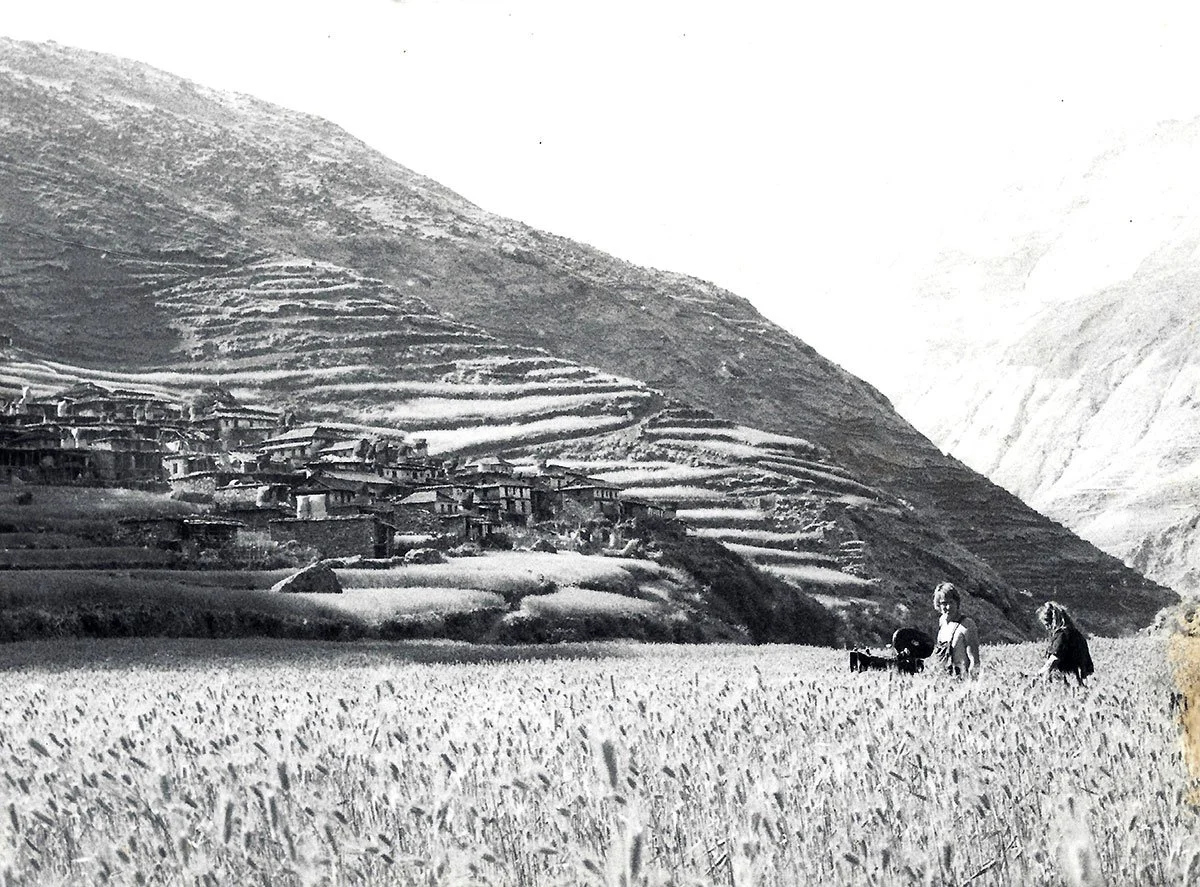
B.B. St. Roman in Nepal, photo courtesy B.B. St. Roman
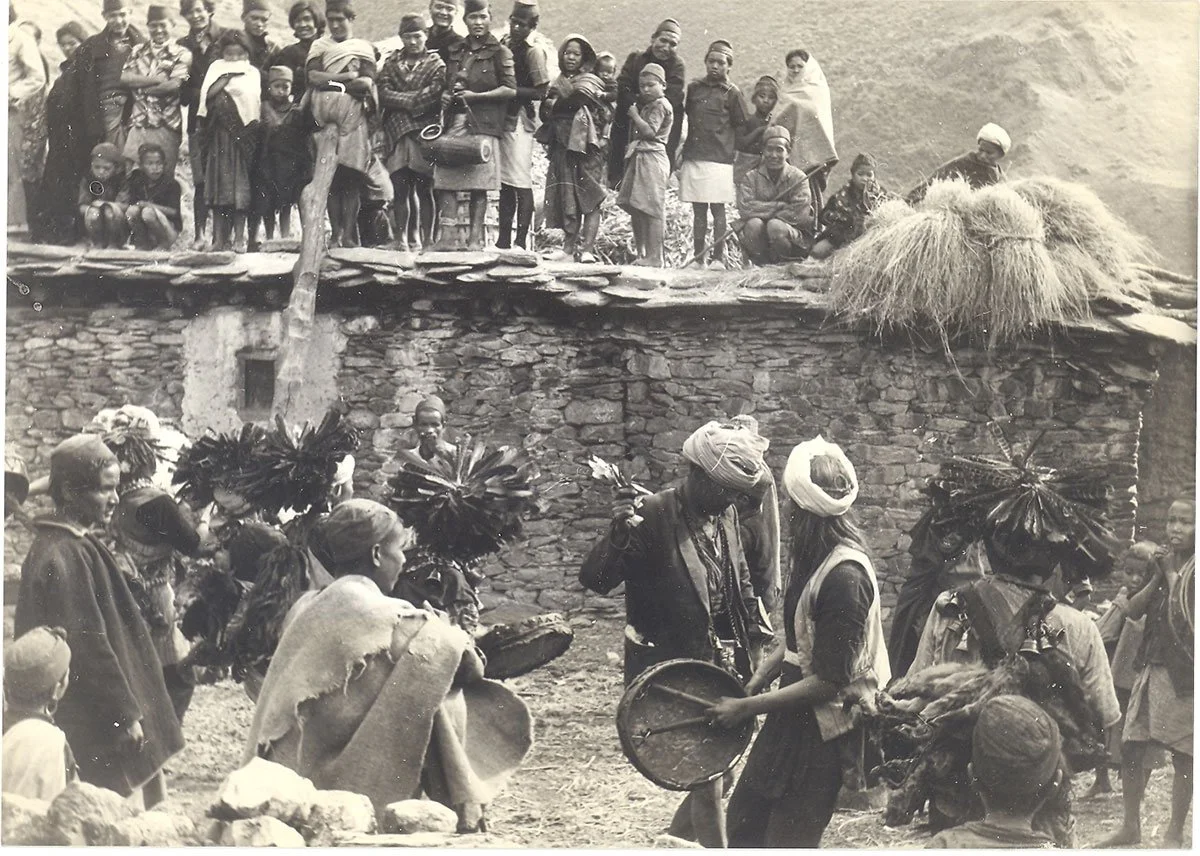
Barbara dancing in a shamanic ritual in Nepal, photo courtesy of B.B. St. Roman
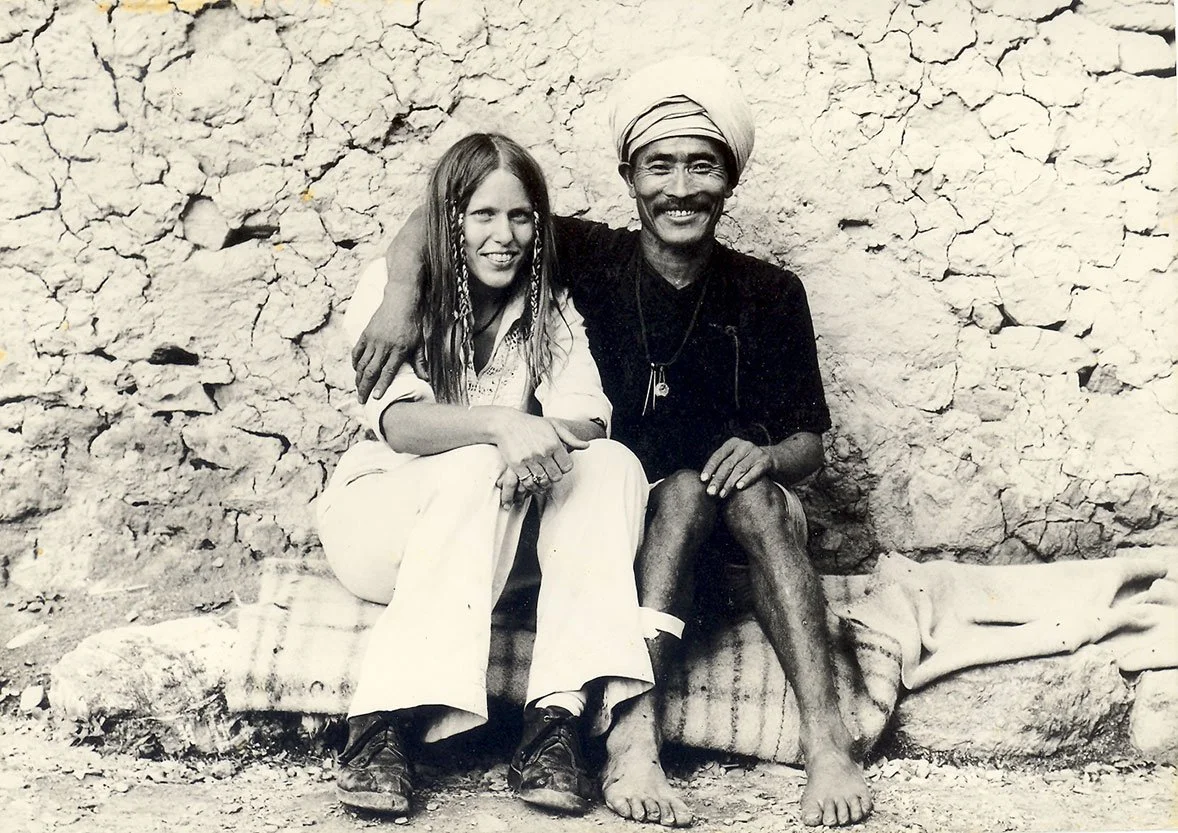
Barbara with a shaman in Nepal, photo courtesy of B.B. St. Roman
It was a three-month expedition she would make three times over the course of a year. No electricity, no running water. But there were goats and sheep, whose wool villagers used to make blankets – one of which St. Roman still cherishes.
“It was everything,” she recalls. “You’d fold it up to sit on, because there were no chairs. The same blanket you would wrap around you as a coat and sleep under at night.
“They were totally living life without all the Western amenities. But there was a spiritual richness they had, even though they had no material riches.”
From there, she worked with a Harvard University crew studying Tibetan Buddhist monks in Sikkim, meeting the Dalai Lama in India on the way there.
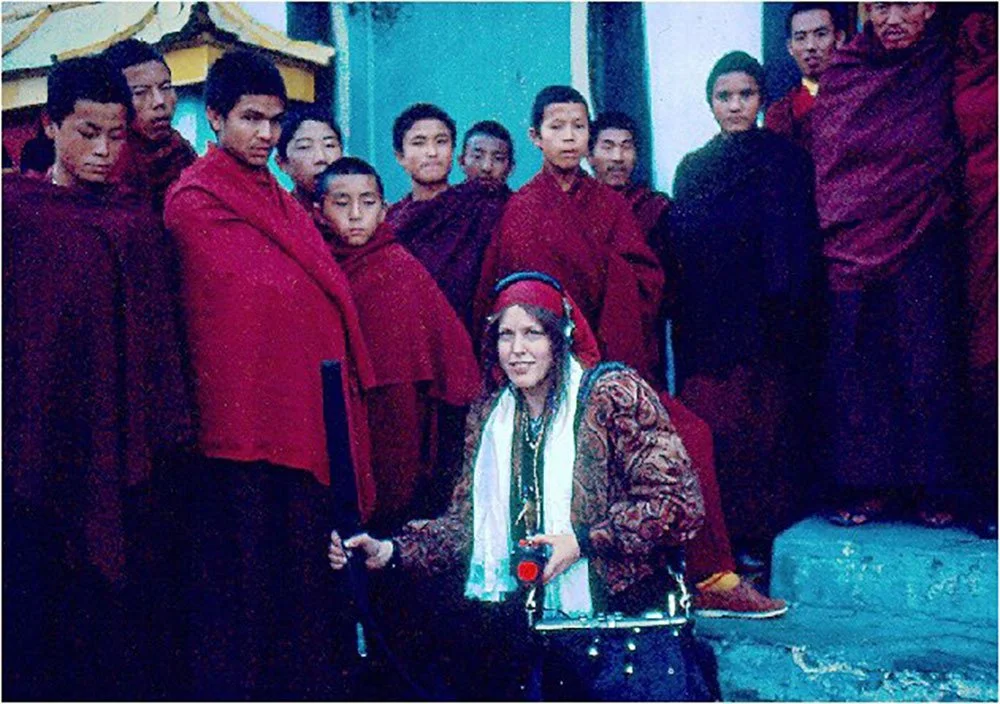
B.B in Sikkim, photo courtesy B.B. St. Roman
“He was filled with laughter and so calm inside. He had reached a level where he was so in tune with himself that nothing would upset him.”
But it was Mother Teresa, whom she traveled with off and on for two years to chronicle her global charity work, who imparted St. Roman’s greatest life lesson.
“Mother Teresa was love in action,” she remembers. “She believed in doing, not talking. She’d say, ‘Don’t worry about doing big things; do small things with great love. Put love into whatever you are doing.’ But to do!”
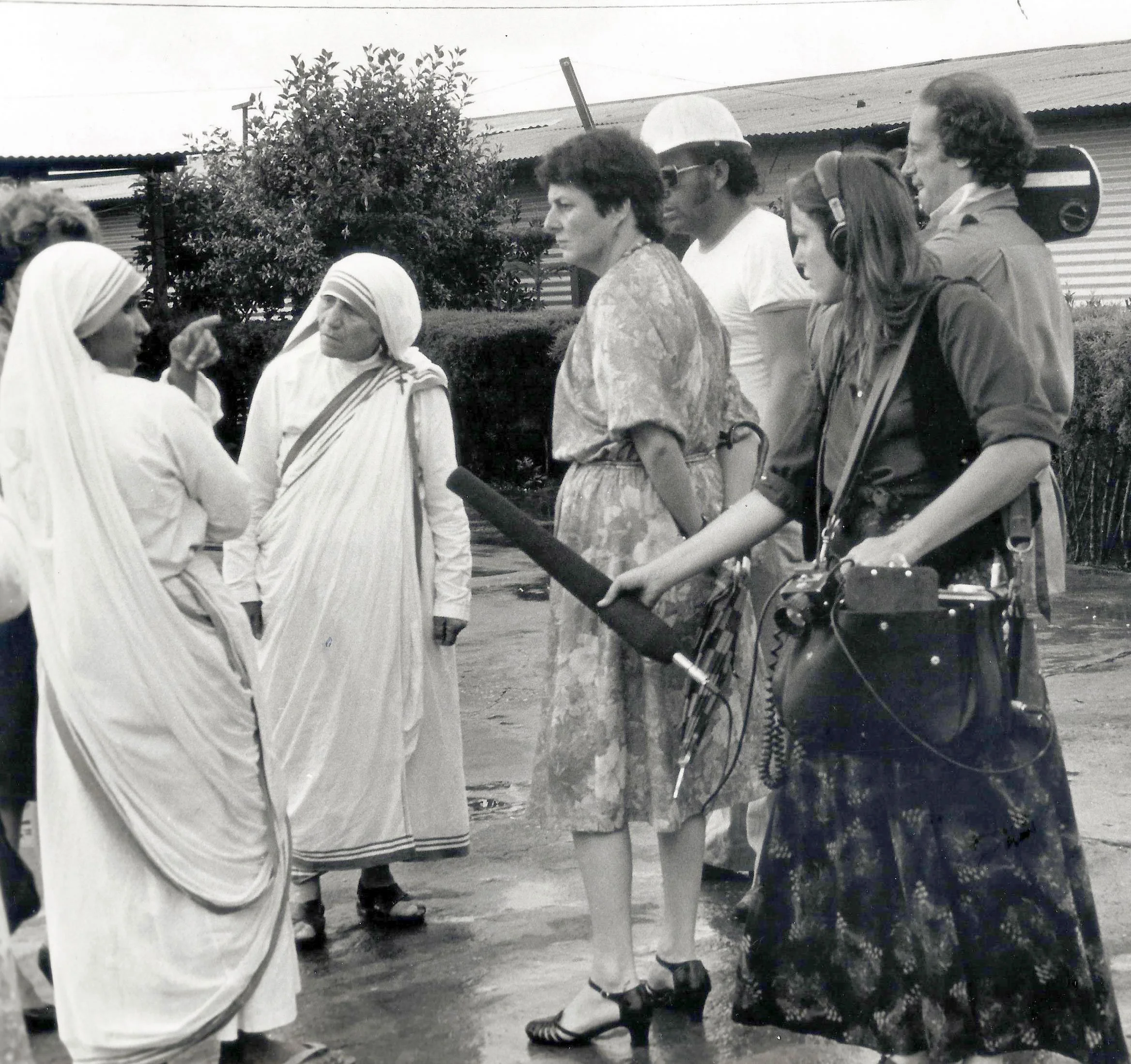
B.B. working as sound engineer on a documentary about Mother Teresa, photo courtesy B.B. St. Roman
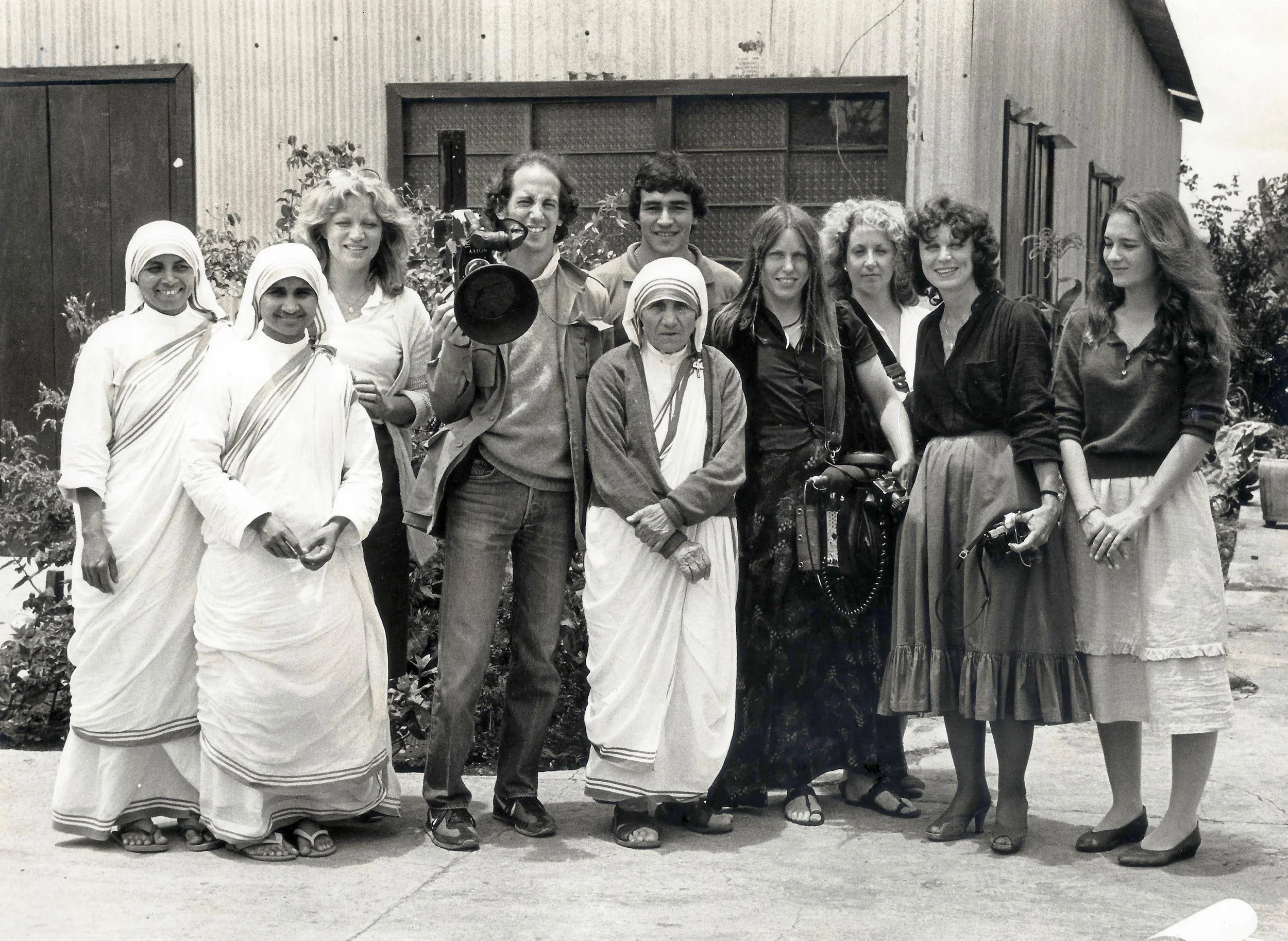
The documentary crew with Mother Teresa, photo courtesy B.B. St. Roman
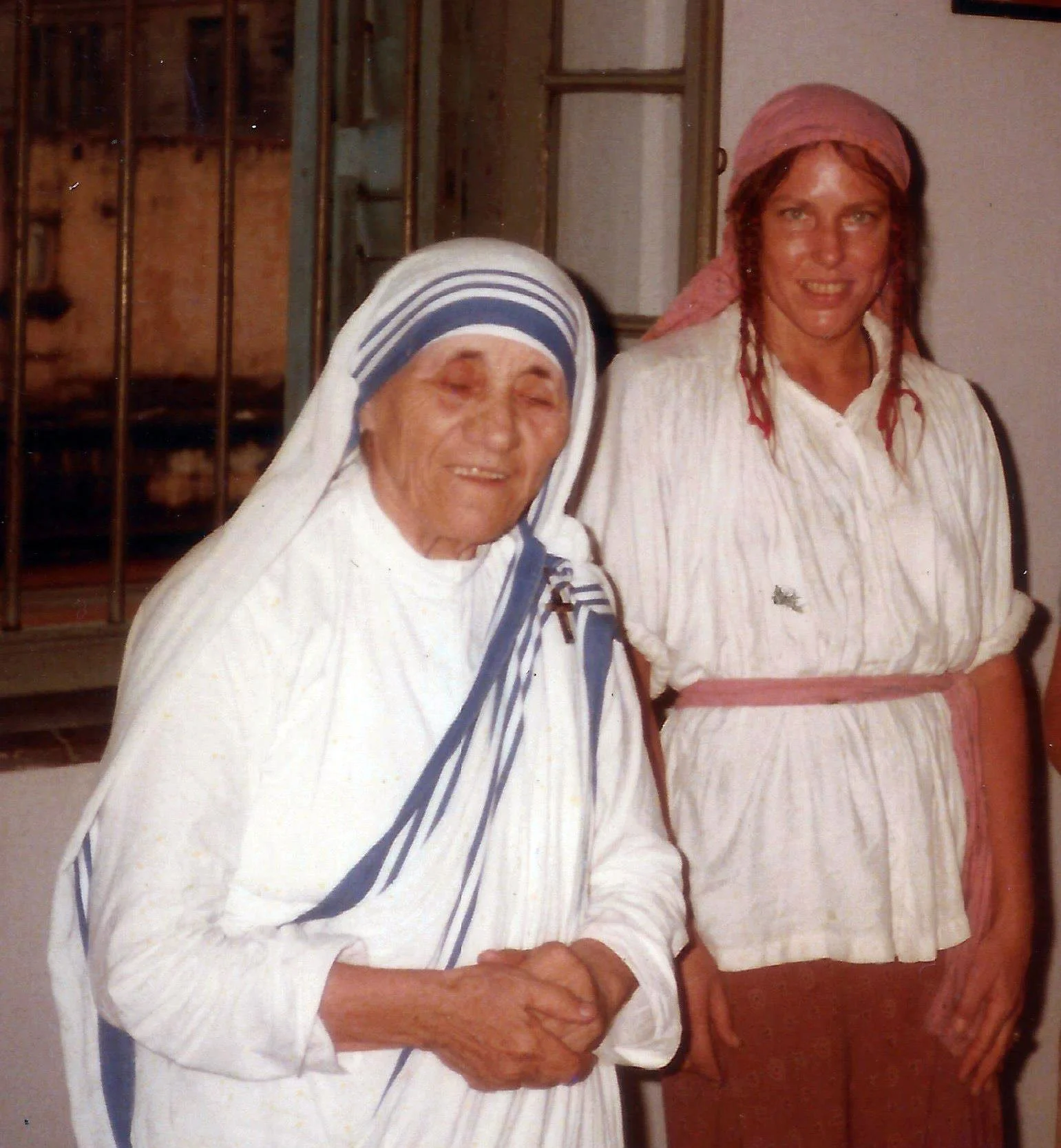
Mother Teresa and B.B., photo courtesy B.B. St. Roman
And “do” St. Roman has certainly done.
The same month she met Mother Teresa (April 1982), she attended a late-night performance at New York’s famed Lone Star Café, where everyone from Willie Nelson and Roy Orbison to the Blues Brothers and Clifton Chenier played. But it was Dr. John, New Orleans’ own “Night Tripper,” B.B. had come for.
An ardent fan, she had seen him perform there often, energized by his blend of jazz, funk, soul and R&B. Driving away after the show, she spotted him on a street corner – Gibson guitar in hand, looking for a taxi – and offered a ride.
Then life happened.
***
“He took down my number,” she recalls with a laugh, “because I was a chick with wheels.
“A couple of days later he called, needing a ride to the airport. Then he needed to go to New Jersey for a recording session. Then he asked if I would start picking up his contracts.
“He didn’t have any organization in his life. He was showing up to gigs maybe an hour late…but also a day early.”
St. Roman’s free shuttle services eventually grew into a much-needed paid management position, which morphed into road manager over the following 10 years the two spent touring together.
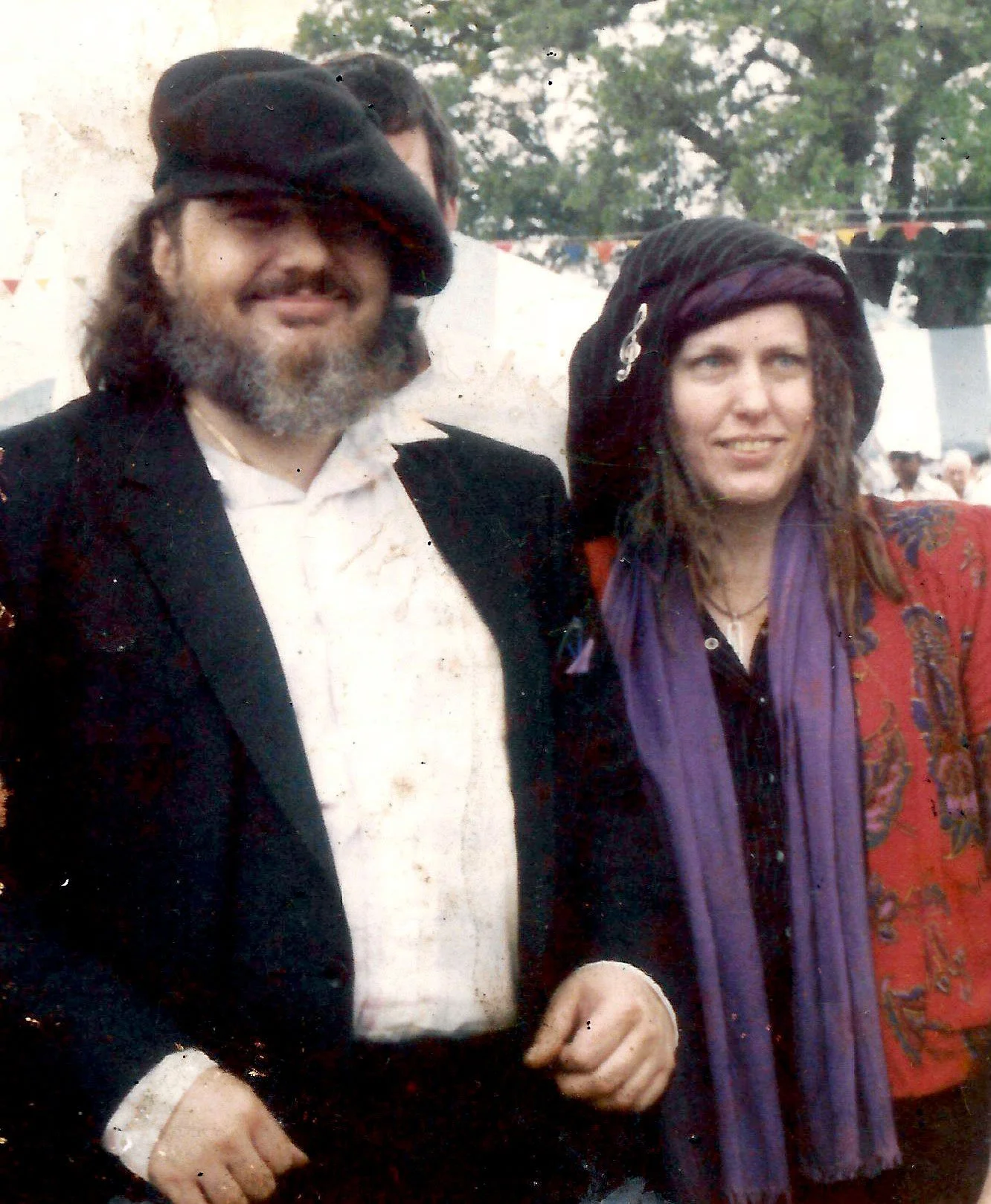
Dr. John and B.B., around 1987, photo courtesy BB St. Roman
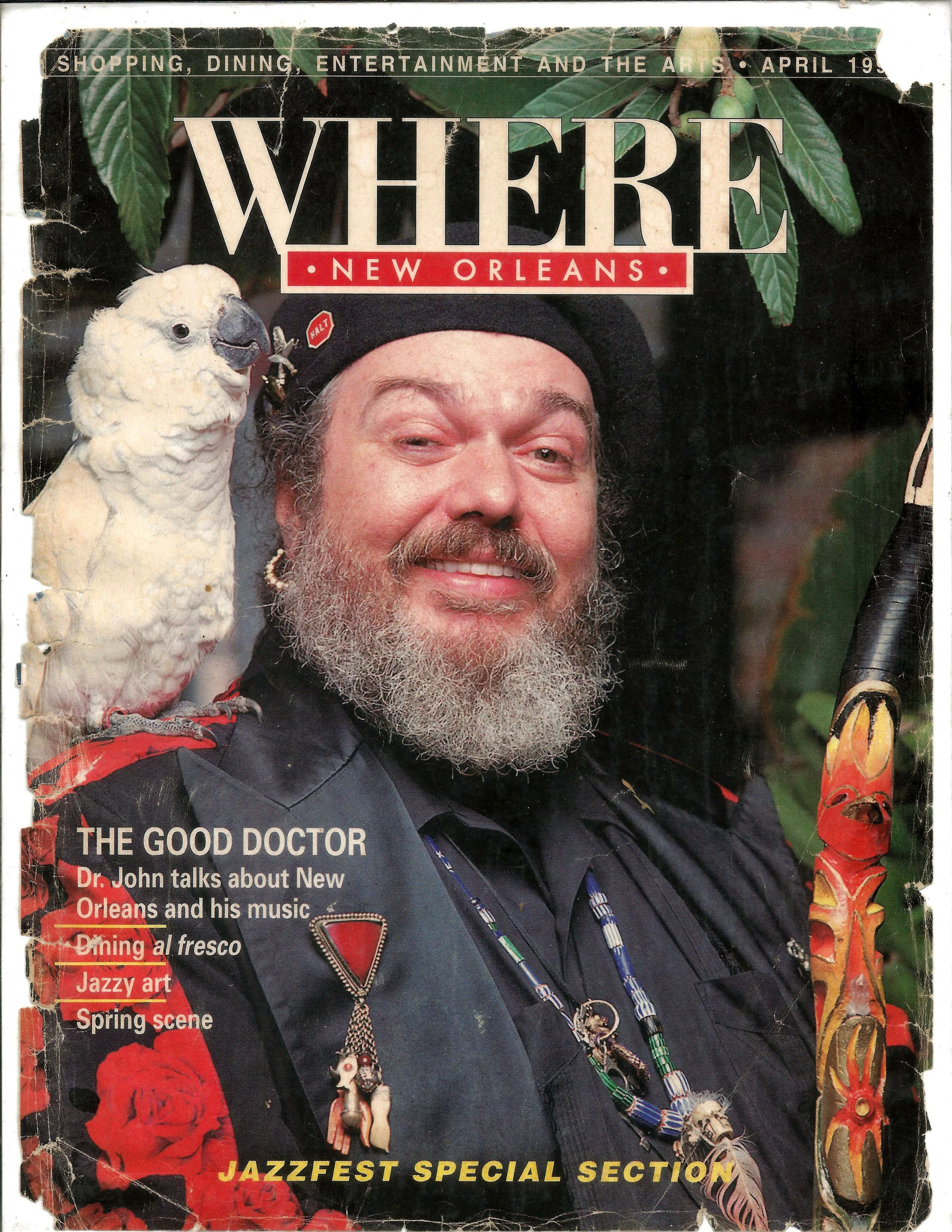
Dr. John and Iko on the cover of Where Magazine, 1993.
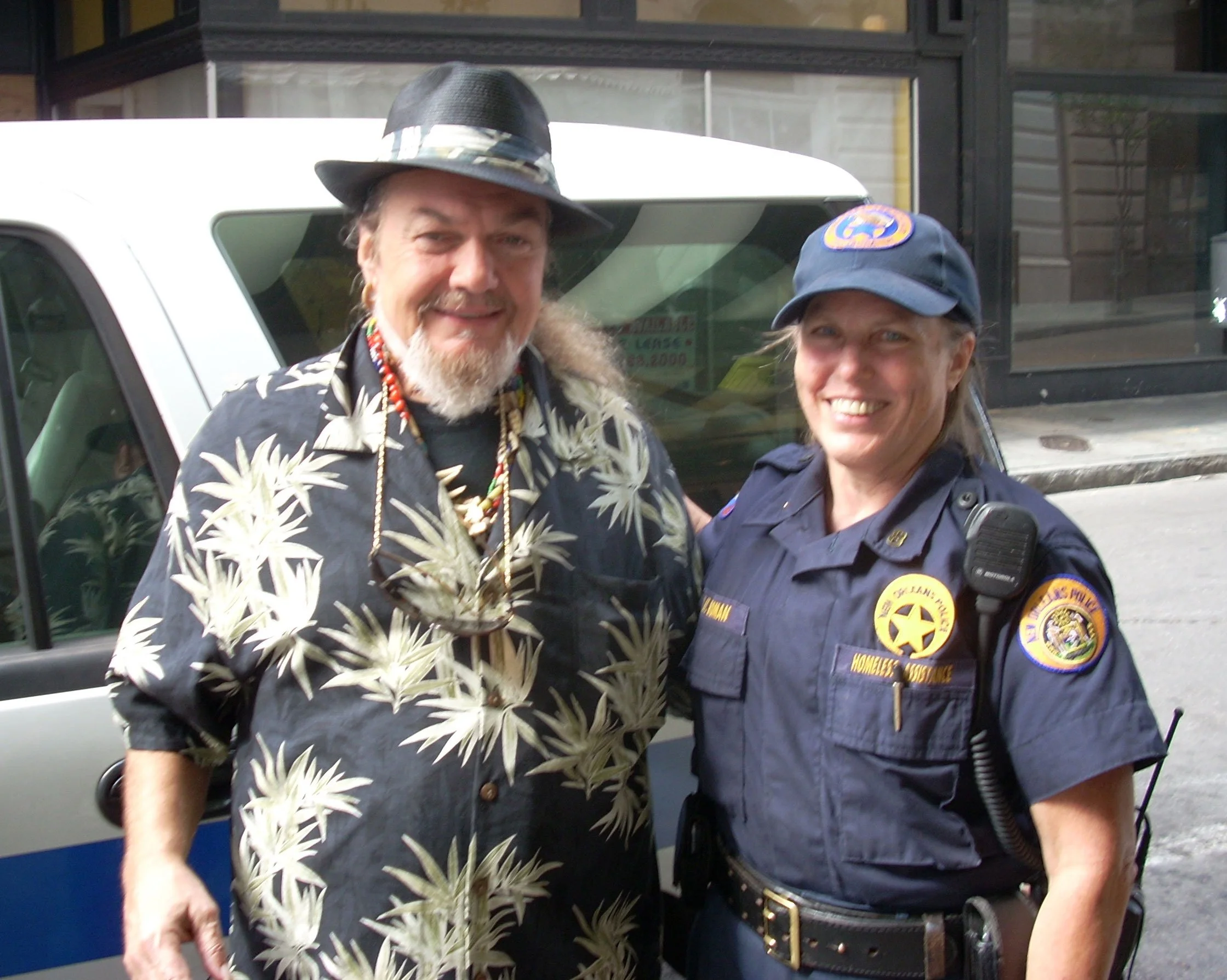
Dr. John and B.B. on Royal Street in 2008
It was the good Dr. who prescribed her new name, shortening Barbara Becker to B.B. And while he sucked at self-management, he proved to be the perfect boss, a solid friend and another important life influence.
“I consider Dr. John my spiritual father and Mother Teresa my spiritual mother,” she says. “As opposite as they are on the outside, both had this basic respect for mankind, a belief that each human is important and should be listened to.
“Dr. John was amazing with that, having respect for, as he liked to say, [in a gruff, gravely tone] ‘the regulation people,’ the people who carry your bags or cook your food, the people doing the work out there.”
Dr. John introduced St. Roman to New Orleans and a cast of local characters, including legendary mask maker (and hippie minister) Mike Stark, who created the musician’s outlandish trademark headdresses.
He also introduced her to Voodoo, which St. Roman was immediately drawn to. Though she never practiced the religion, she closely identified with its concepts.
“The idea that everything has life, everything has energy,” she says, pointing to the time-worn brick and overgrown greenery in her courtyard. “Every stone, shell, piece of metal – everything. And you honor those forces.
“It made sense to me. I could feel roots and things growing here, a real flow of energy coming up from the depths, exuding out of the French Quarter.”
The pull was so strong that, on a Christmastime visit, she purchased a circa-1810 Creole cottage and began splitting time between here and Manhattan.
Then life happened.
***
Enter Pops Stroman, a biker and handyman she hired to help around the Burgundy Street property.
“I knew the moment he showed up at my gate,” she recalls. “I was like, ‘This guy is going to be meaningful in my life.’ I didn’t know how, but I could feel it.”
Stroman added a mesh to the inside of her cottage’s screen doors, allowing B.B. to open the front shutters and bring the outside in for the then-new Iko.
He also encouraged her to get to know the Eighth District Police, whose station was just a few blocks away, and to volunteer for its neighborhood-watch program.
Married at the time, Stroman’s wife died not long after he and B.B. met, and the two began dating. In 1993 she chose French Quarter life with a bird and a biker over life on the road, and parted ways with Dr. John, though they remained close.
The following year, B.B. changed her name yet again, marrying Stroman and adding “a dot to my name just to make it more fun.”
The Stroman/St. Roman ceremony took place during a full moon at the House of Blues, garnering news coverage with 1,608 people – and Iko – in attendance.
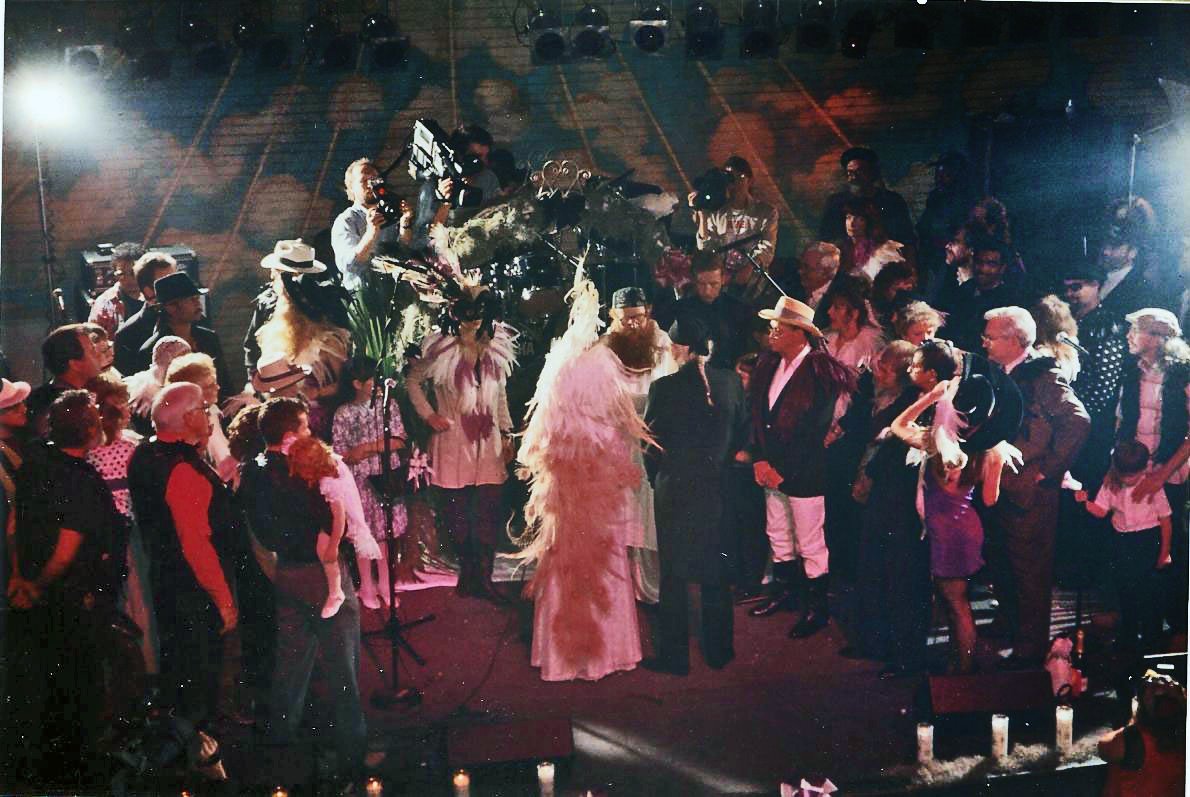
Mike Stark, “King of the Hippies,” officiated at the wedding. Iko also attended the ceremony. In this photo, she is is above Stark’s head slightly to the right, next to someone holding a video camera. New Orleans musician Red Tyler – Dr. John’s saxophone player – served as Stroman’s best man. Photo courtesy B.B. St. Roman
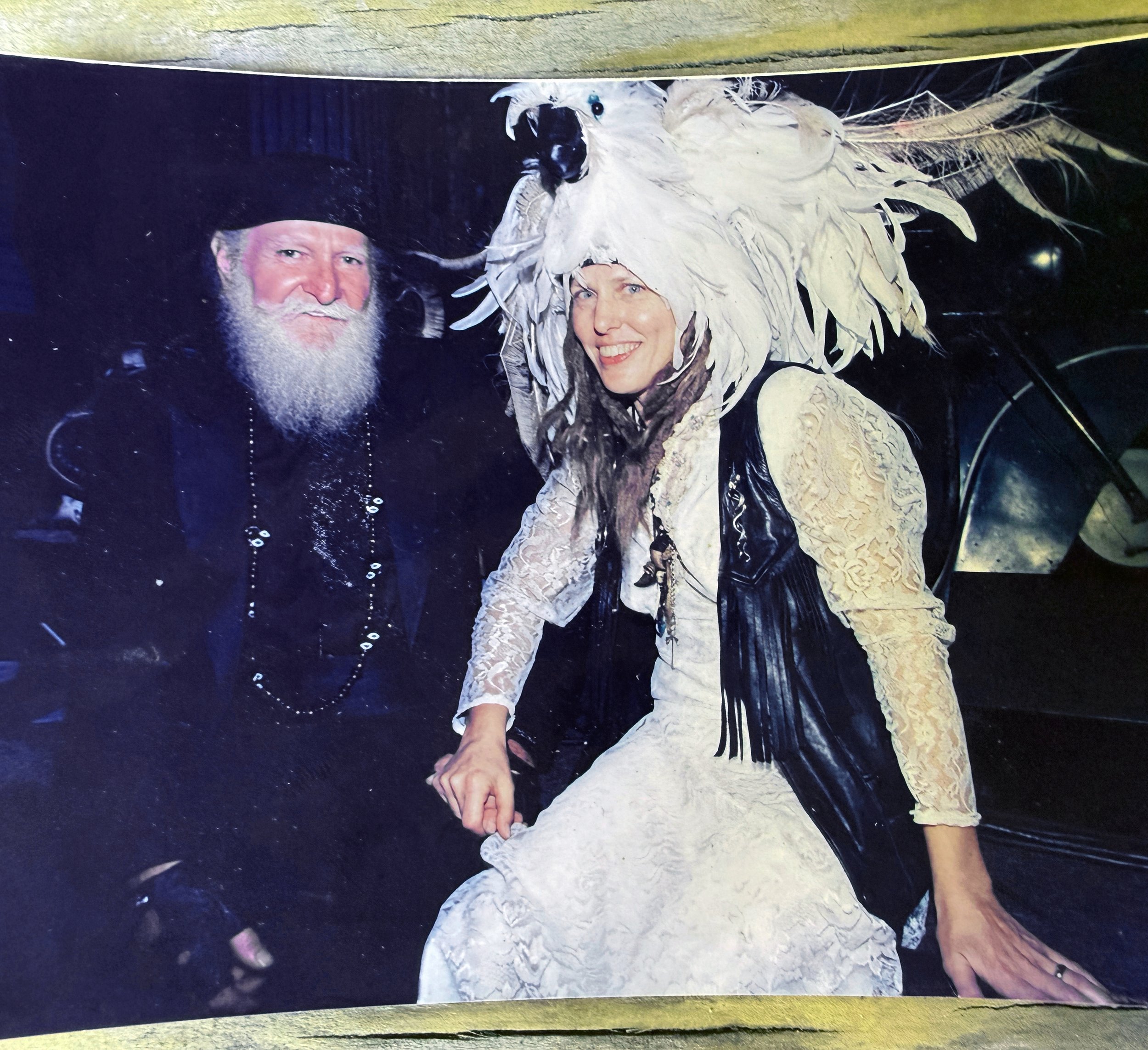
Pops Stroman and B.B. St. Roman, photo courtesy B.B. St. Roman
Stark not only officiated the wedding but crafted the cockatoo-inspired headdress B.B. wore for the occasion.
“Dr. John taught me the importance of burning Voodoo candles,” says St. Roman. “So, I thought we should have them at the wedding. His favorite number was 23, so I designed 23 of them with my own label.”
Afterward, she created more as thank-you gifts for House of Blues staff, using HOB imagery. Then F&F Botanica, where Dr. John bought his candles, came calling and asked her to make a few for the store.
Soon Stark began carrying St. Roman’s candles in his Little Shop of Fantasy on Dumaine Street, as did the Voodoo Museum, the Voodoo Spiritual Temple and, starting in 1996, Voodoo Authentica, where she continues to hand-deliver fresh supplies weekly.
“Over the years, I’ve definitely made more money doing candles on weekends than working all week for the police,” she dryly notes.
Sadly, Stroman died in October 1995. The following summer his 12-year-old step-grandson, Jesse Brunet, (“My two-step grandson,” B.B. jokes) came to visit for a few weeks, tagging along with St. Roman on her candle-delivery rounds.
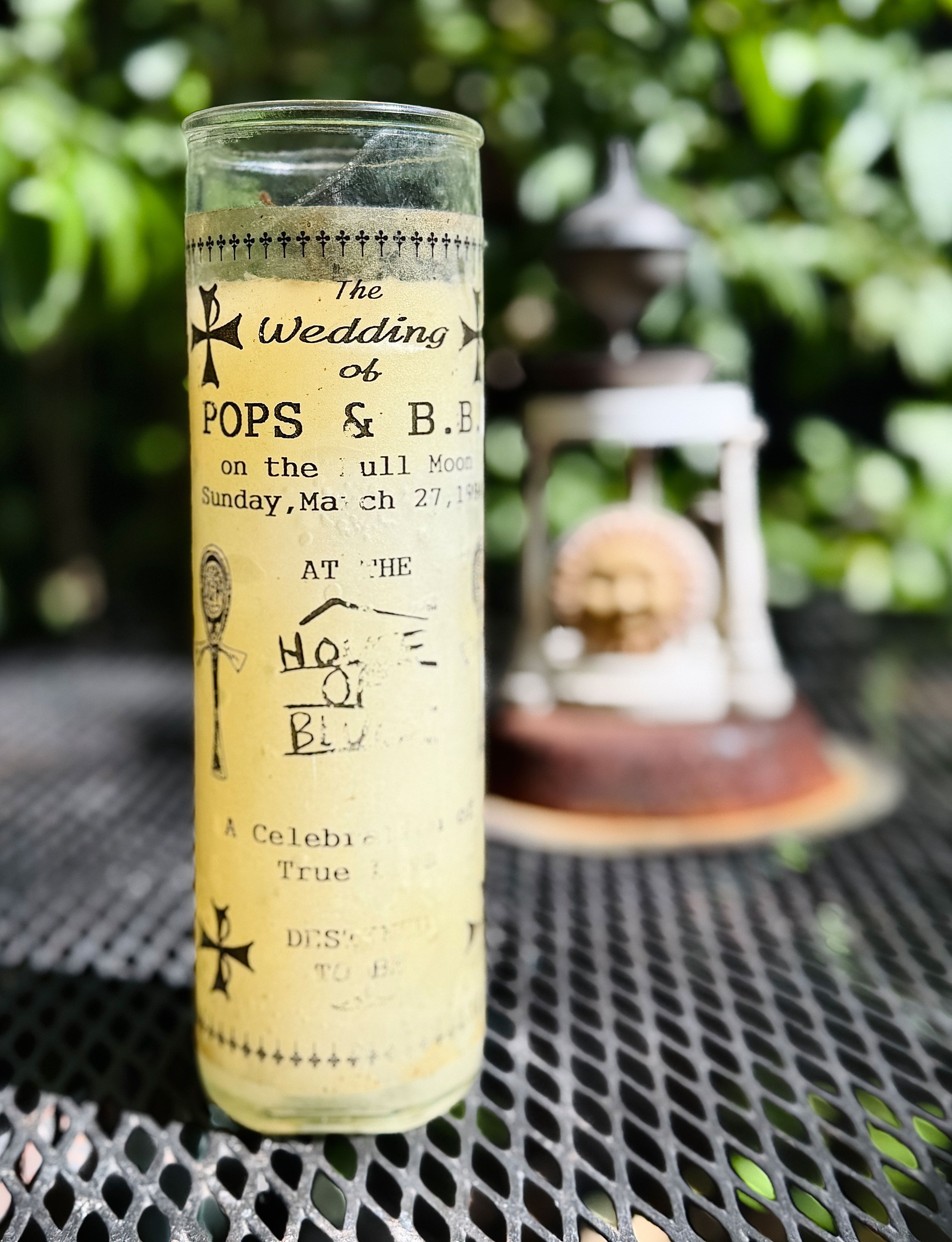
B.B. still has her first candle, made for the wedding.
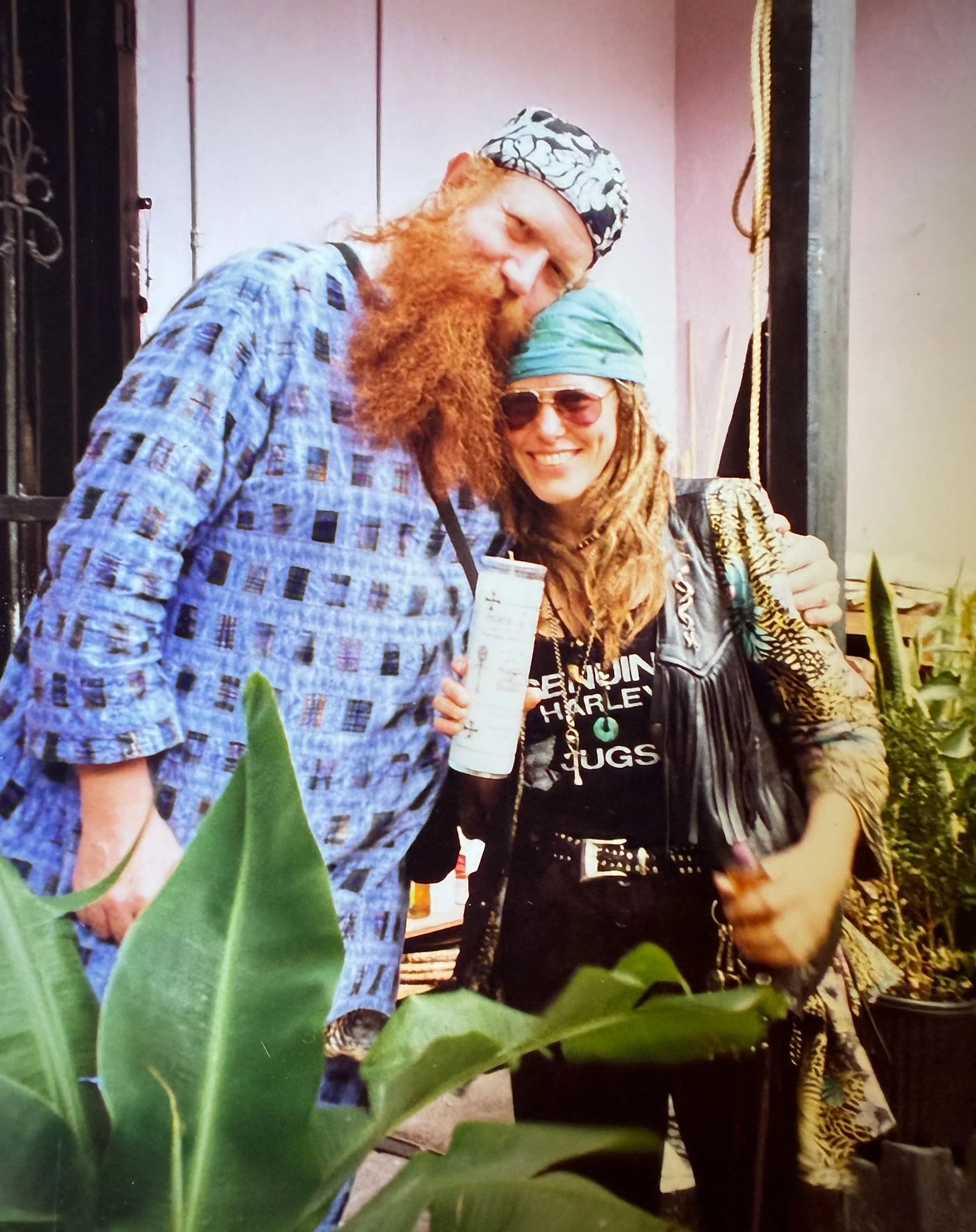
Mike Stark with B.B. St. Roman around the time of the wedding. Soon after, B.B. began supplying his shop with her candles, photo courtesy B.B. St. Roman
“He had lost another grandfather, as well as another person, around then,” she says, “and was having a hard time. But something connected with Voodoo and helped him balance out all the loss in his life.”
Brunet started reading up on and delving deeper into the religion. “He gravitated to it very quickly and went from there.”
In 2004, life came full circle, with Jesse returning to Voodoo Authentica. This time, however, not as a candle-delivery boy but as a Haitian-initiated Houngan (Voodoo priest) and spiritual practitioner. You’ll find him there on Halloween, taking part in Voodoo Authentica’s 28th annual VOODOOFEST.
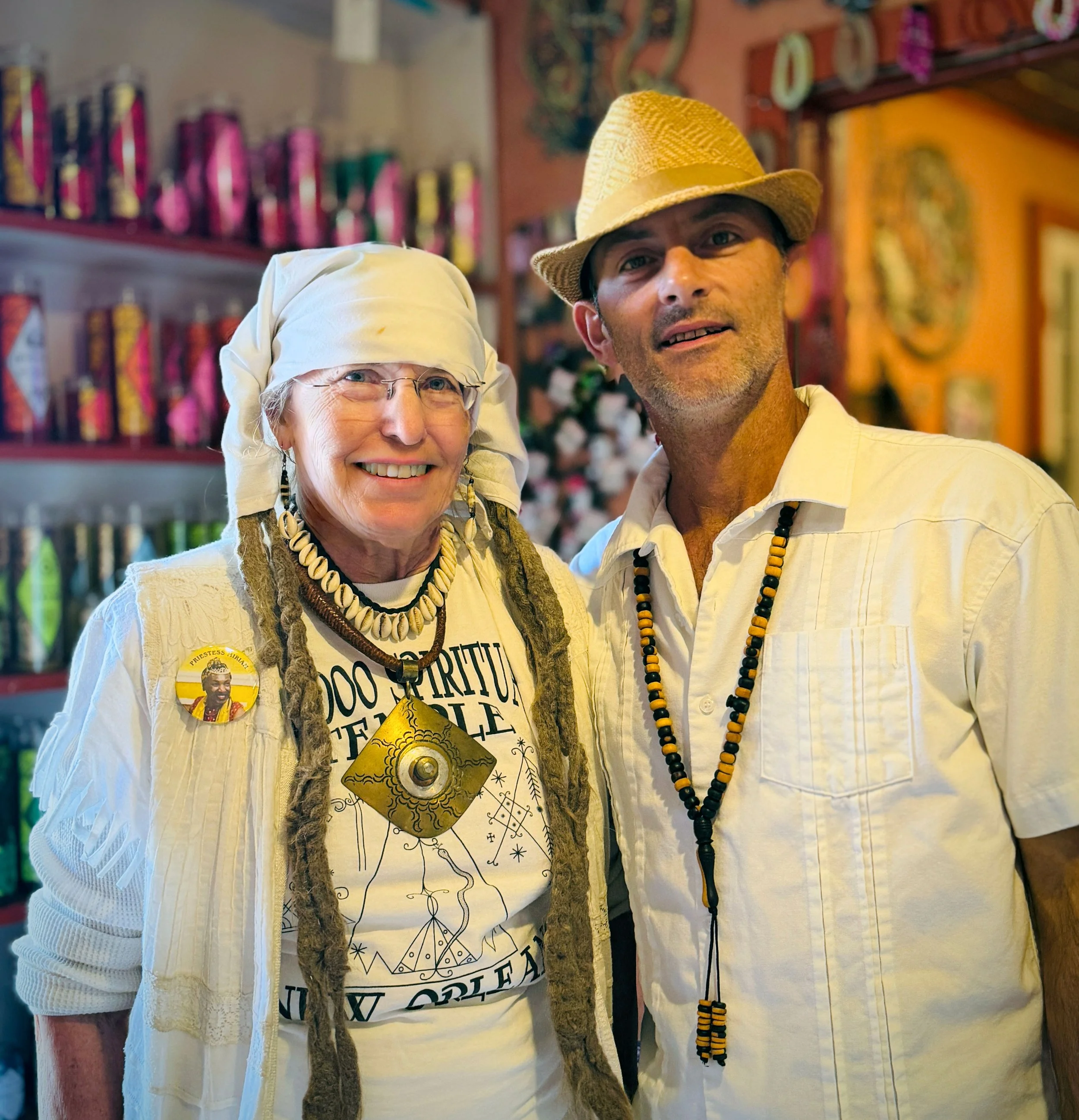
B.B. and Jesse at Voodoo Authentica on Dumaine Street. B.B.’s candles are behind them. Photo by Ellis Anderson
Or you might spot him on the other side of Lake Maurepas, where lately he’s been helping his two-step-grandmother erect a rudimentary shelter deep in the swamps. No electricity, no running water.
“The swamps have been calling me,” St. Roman says. “The egrets and alligators, the moss and palmettos – it’s so beautiful out there. That’s what interests me now, being out in nature and having just the basics.
“Isn’t it interesting how life is so organic? One thing grows into the next and then into the next, so you should always be open to a new adventure and where it will lead you.”