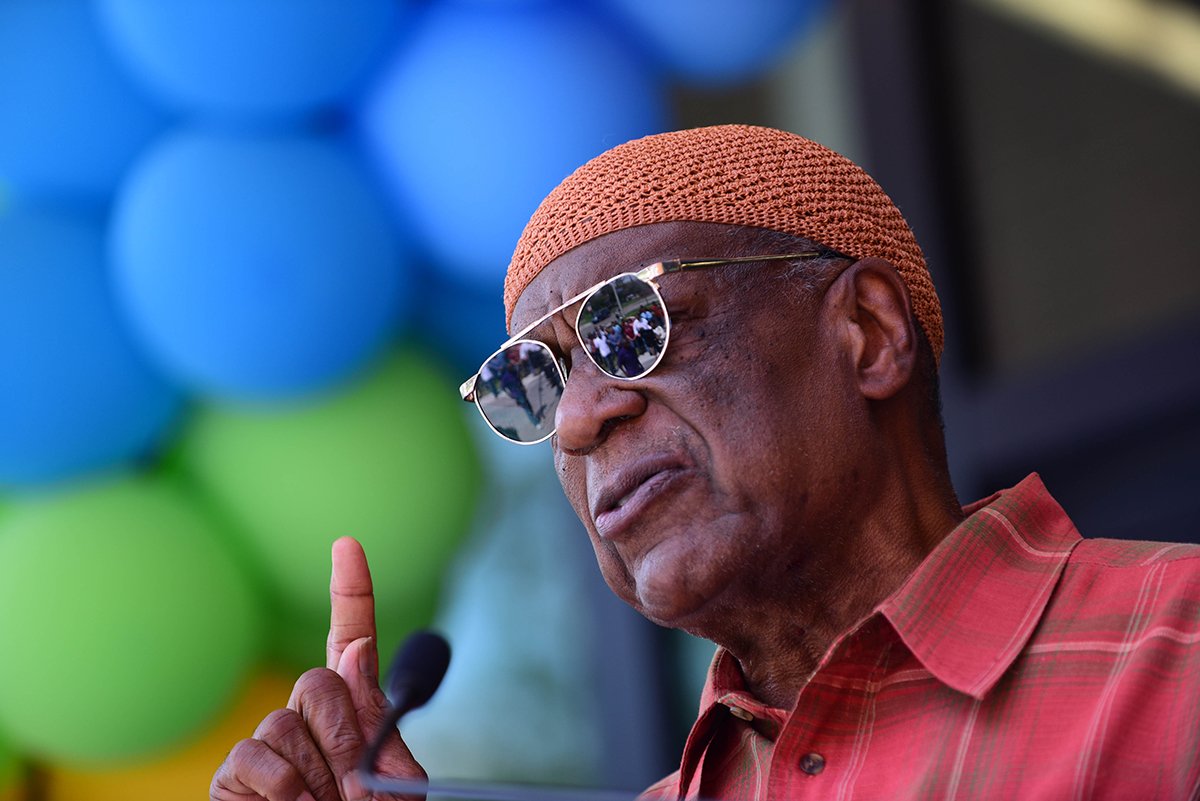
Jerome Smith at the 2018 opening of the Nora Navra Library, by Cheryl Gerber
November 2026An award-winning New Orleans author reflects on Civil Rights hero Jerome Smith’s extraordinary legacy – and the doors his courage opened for generations to come.
– by Maurice Carlos Ruffin
If memory serves, I was about 15 when the legendary Mr. Jerome “Big Duck” Smith visited my high school McDonogh #35, which has a historic legacy of its own. A legend visiting a legacy.
Big Duck gave a presentation to the student body about his Civil Rights work back in the day. My school was unusual in that our teachers taught us much about the crusade for freedom (the kind of scholarship that today is called CRT or DEI).
I listened to every word Big Duck said from the podium. But being young meant I lacked the perspective to understand what an honor it was to sit in that auditorium with hundreds of other students and listen to the man himself tell the stories from his own mouth.
It’s only looking back some 33 years that I can begin to express my gratitude for Mr. Smith and his generation of young activists who stood up to ignorance and bigotry.
I’m no one special. I’m just a kid from New Orleans East. I only met him a few times. And there are many others who can say words about Big Duck. But I’m as grateful as anyone for his life, his work, and his endless goodness. I wouldn’t be who I am today if not for him.

This column is underwritten in part by the French Market District
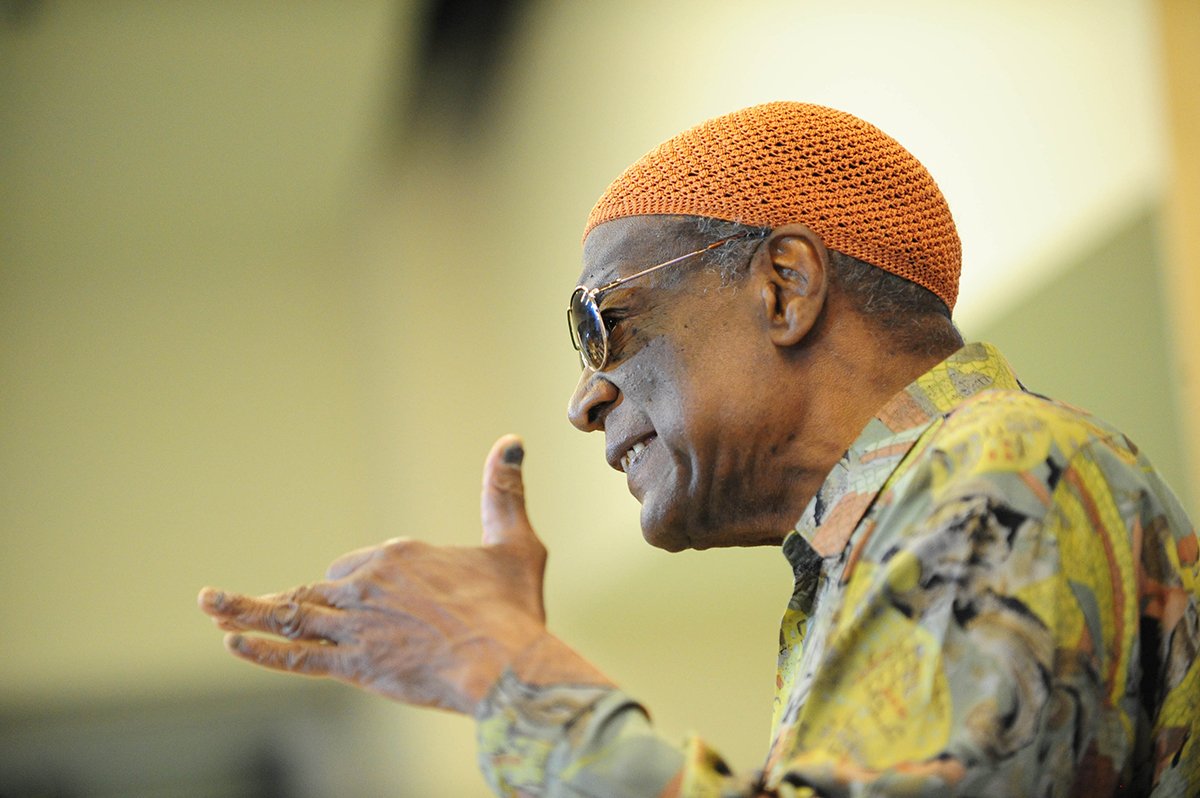
Jerome Smith at the 2017 NORD Gala, by Cheryl Gerber
Smith was a Freedom Rider. It’s easy to flatten the man with a title like this. There’s something mythical in the phrase. Freedom Rider. If you said that Big Duck was also an Avenger, an X-Man, or a member of the Justice League, it wouldn’t sound too far out of place. He was a hero after all. But he was a real person, a young man with a job, family, and dreams.
I can see him in 1961 going from door to door to register Black voters. Perhaps some people weren’t home. Others may not have opened their doors because they didn’t want to stir up trouble. Any Black person of that time would have known full well the dangers of asserting their basic Constitutional rights. Indeed, most Black citizens in New Orleans had never voted.
But Big Duck was tireless, fearless, and charming. Many people opened their homes to him. They must have looked into the eyes of that brave young man in the suit and seen a hope that could not be denied. They saw the future that you and I live in.
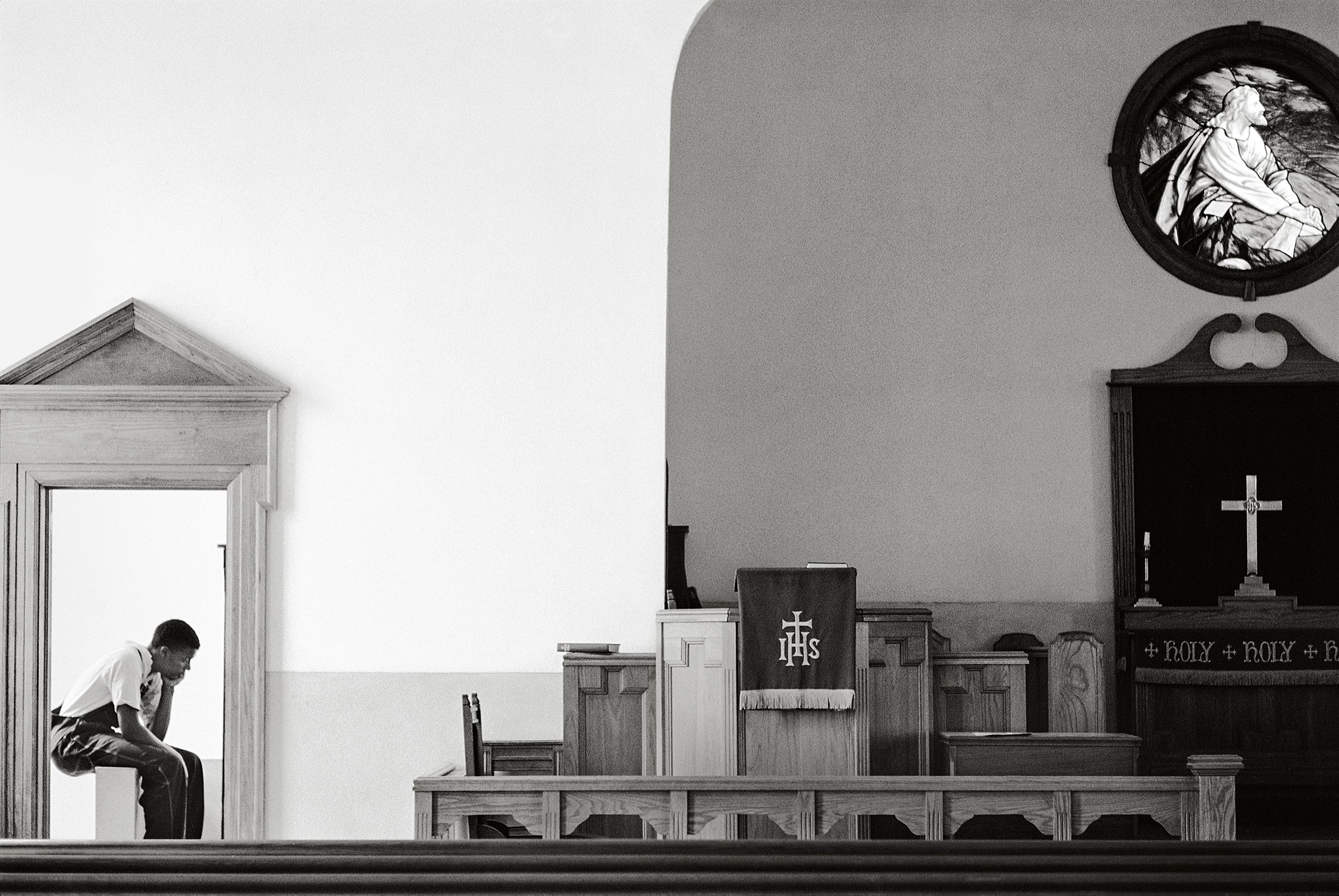
Jerome Smith at Church, Mississippi, 1963, © Steve Shapiro. With permission from the Steve Shapiro estate. Find more of Shapiro’s Civil Rights images here.
It’s easy to take the world we inherit for granted. But I refuse to be disrespectful to the sacrifices Big Duck and the Civil Rights workers who performed the sit-ins, rode the buses, and marched the streets.
I know full well that my life is formed from their dreams.
I’m a bestselling author, a lawyer, a professor, a homeowner, and frequent traveler. Without the work of Mr. Smith and others like him, you could delete the preceding sentence.
Today, in 2026, I have access to the same accommodations as anyone else. There is no colored section on the buses and trains I ride in. No one showed up at my door to threaten me when I moved into my Uptown New Orleans home. In the 1950s and 1960s, Black students enrolled in universities around Louisiana. Many reported encountering virulent racism. Today, I’ve not only graduated from several of those colleges, but I teach at one.
And the concerns of us Black folks, which were once beneath the notice of mainstream America, have become general interest reading material. Big Duck put his body on the line to bring the iniquity of American fascism to the public eye.
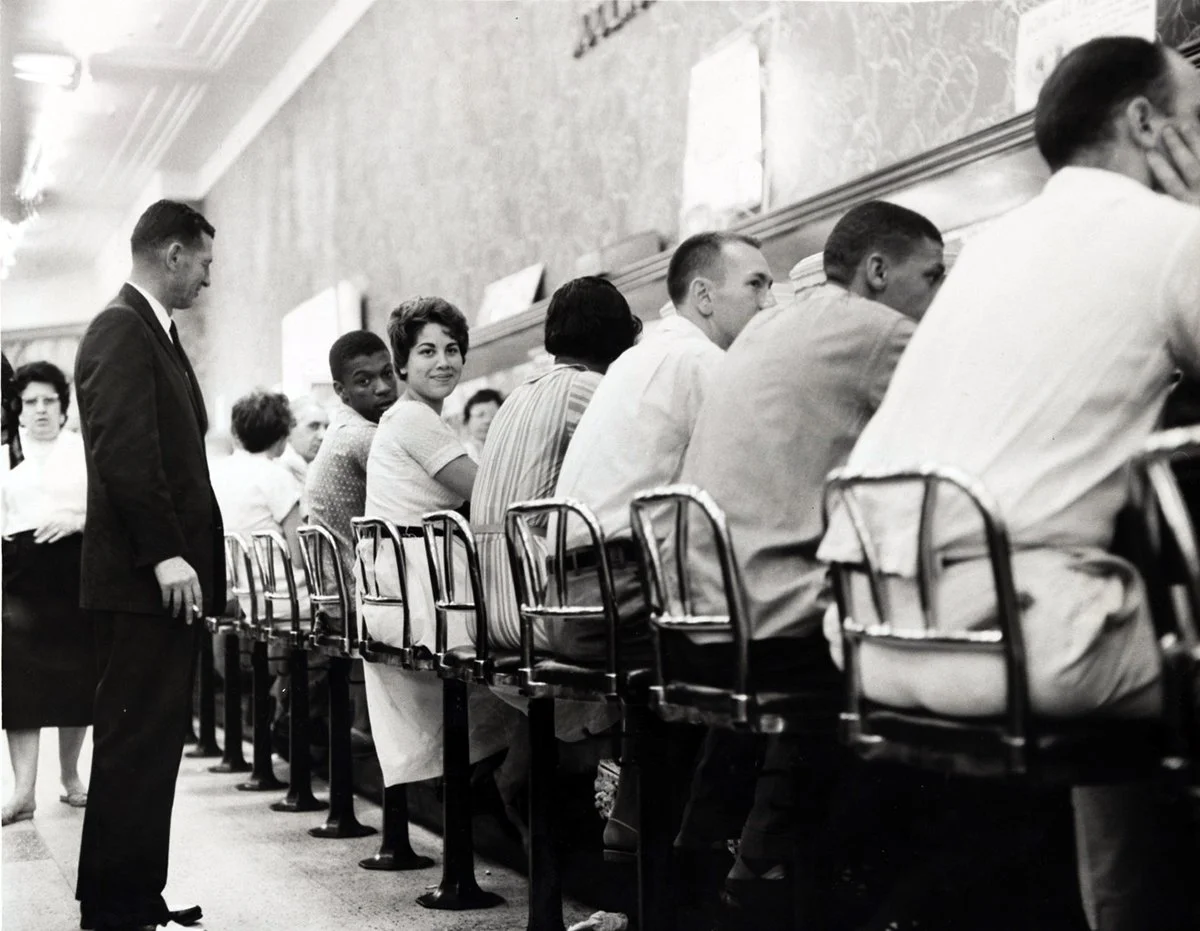
A CORE sit-in at a Woolworth's lunch counter on Canal Street on September 9, 1960. The Congress for Racial Equality (CORE) students demonstrating against segregation and racially biased hiring practices include Jerome Smith and Ruth Despenza of Southern University, Joyce Taylor of Xavier University, William Harper of the University of New Orleans, Hugh Murray Jr. and William Harrell of Tulane University, and Archie Allen of Dillard University. All seven protesters were ultimately arrested. Photo by Ralph Uribe, courtesy Historic New Orleans Collection, 2021.0100.1
Americans saw the newsreels, read the articles in the paper, and purchased books by authors like Anne Moody, Toni Morrison, and Ta-Nehisi Coates. In other words, Smith and his workers made stories like Morrison’s legible. Stories like Morrison’s made it possible for authors of my generation to dream.
And I’m proud to say that I’ve been voting diligently since 1998. I often bring my mother to the polls. We pose with “I Voted” stickers prominently displayed.
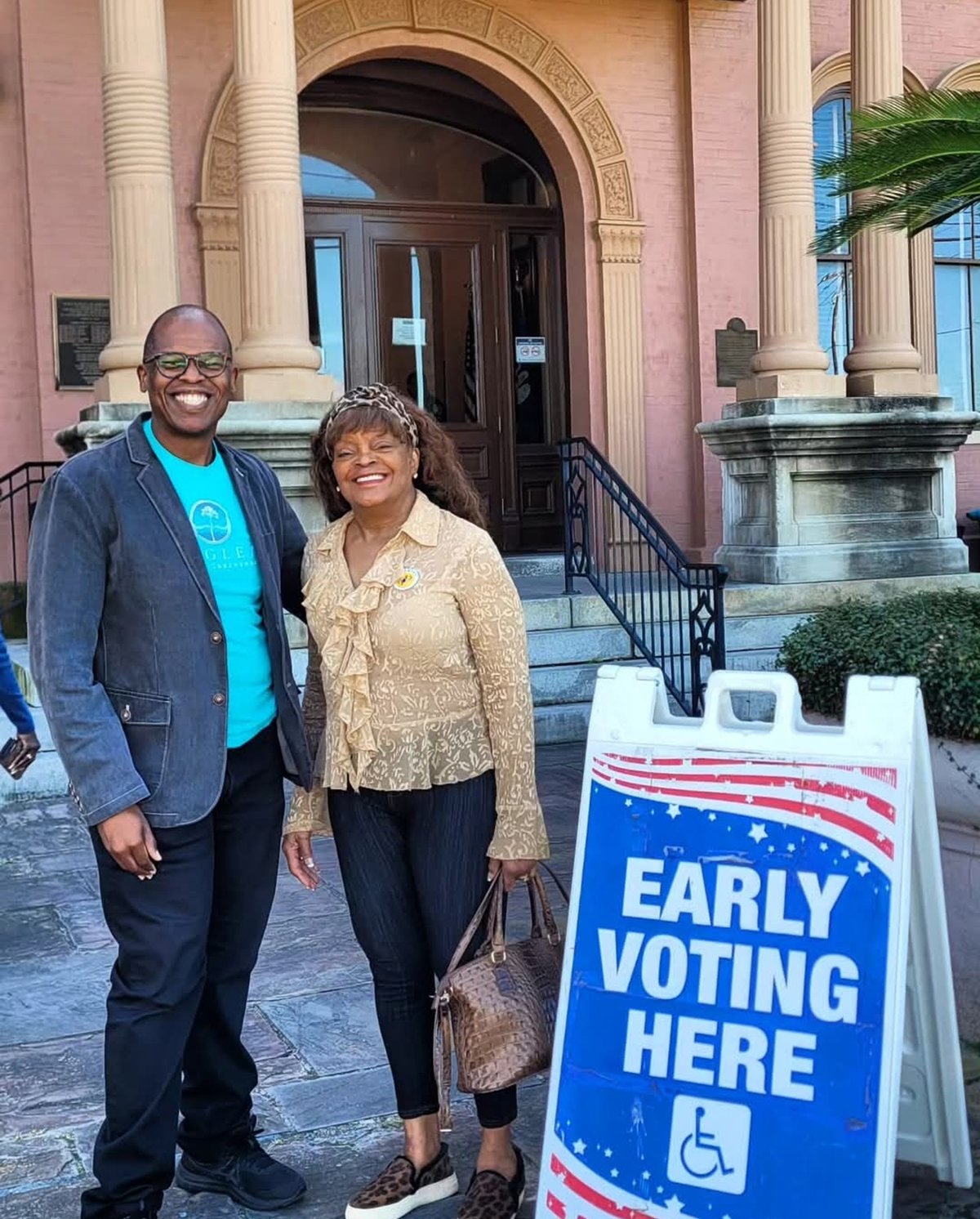
Author Maurice Ruffin and his mother, courtesy Maurice Ruffin
The last time I really talked to Big Duck was too many years ago. I was on Magazine Street at a coffee shop. It was before my first novel was published. He was enjoying himself at one of the outside tables. I reminded him that he once gave me encouragement back in the 90s—this was after he visited my high school. He had told me about his work creating Tamborine and Fan, an organization that reclaimed the space under the I-10 overpass on Claiborne and continues to inspire. Groups like Tamborine and Fan would feature in my own fiction.
Smith said that he remembered me and that I should keep doing what I’m doing.
I remember Big Duck. I’ll never forget him. I remain thankful for his labor, vision, and persistence. So should you.
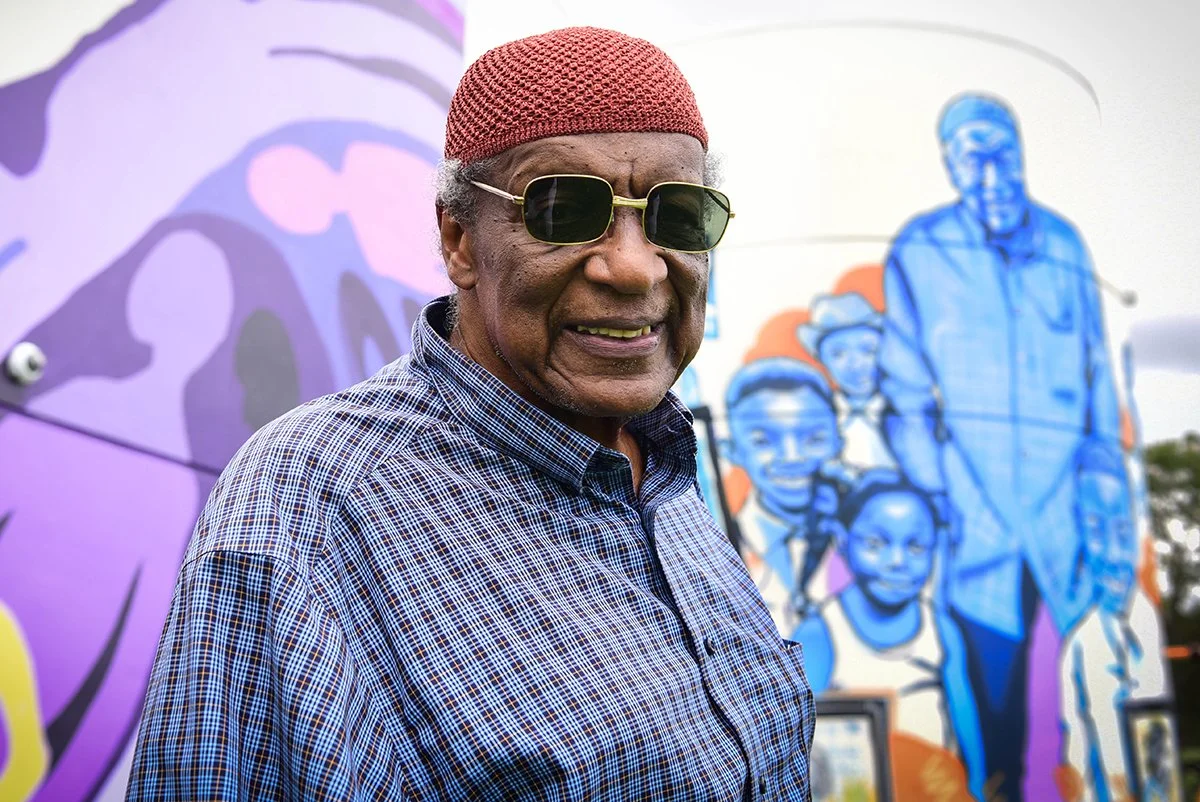
Jerome Smith, 2021, with his mural at the Tremé Community Center, by Cheryl Gerber
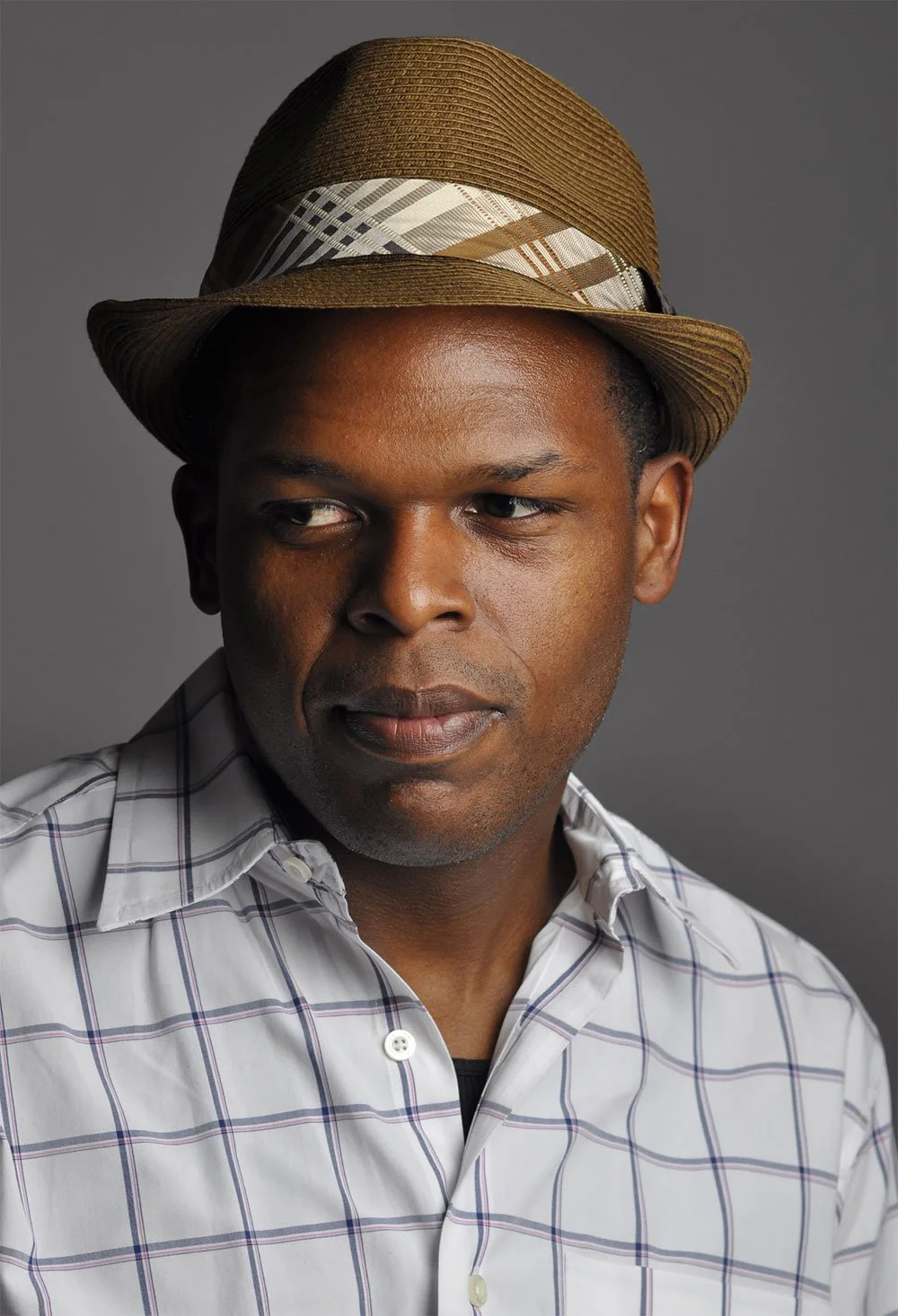
Maurice Carlos Ruffin, a Guggenheim Fellow, is the author of the national bestseller The American Daughters, as well as The Ones Who Don’t Say They Love You, a One Book One New Orleans selection, which was longlisted for the Story Prize. His debut, We Cast a Shadow, was a finalist for the PEN/Faulkner Award and the Dayton Literary Peace Prize. All three books were New York Times Editor’s Choice selections.
Ruffin is the winner of the Iowa Review Award in fiction and the Louisiana Writer Award. Ruffin is an associate professor of Creative Writing at Louisiana State University.
Find out more about Ruffin and his works on his website.