
November 2026The world’s largest collection of jazz artifacts just keeps getting bigger and better, thanks to supporters like the Herb Alpert Foundation.
– by Doug Brantley
Yes, Virginia, there is a Santa Claus…and he plays the trumpet really well.
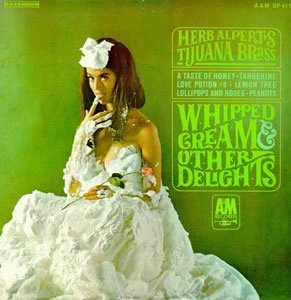
Most music lovers know Herb Alpert for his triple Grammy-winning “A Taste of Honey,” from the iconic “Whipped Cream & Other Delights” album--a staple on 1960s living room record carousels, which outsold both The Beatles and the Rolling Stones at the time.
But the team behind the New Orleans Jazz Museum know the Tijuana Brass man for more than blowing a mean horn.
This column is underwritten in part by the Reagans
Over the past few years, the Los Angeles-based, philanthropic Herb Alpert Foundation has helped finance a variety of Jazz Museum upgrades and initiatives, from a 2025 revamp of its third-floor Performance Center to a re-envisioned education center slated for completion next summer.
“There are a lot of others who have helped in a big way,” says director Greg Lambousy of the Jazz Museum’s public/private partnerships. “All of our programming is paid through fundraising efforts, through the generosity of individuals, businesses and grants.
“But Herb, by far, has been our biggest benefactor.”
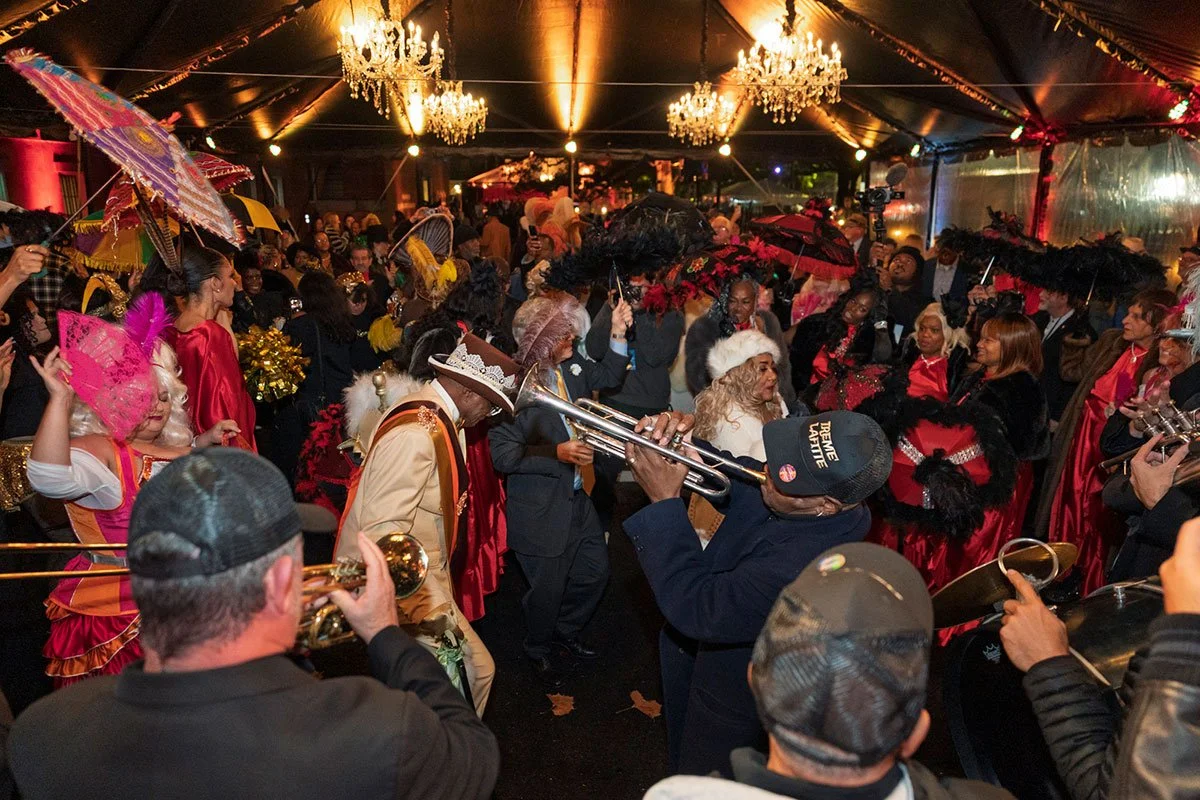
Take December’s annual Improvisations Gala, sponsored for the past five years by a $10,000 Alpert Foundation matching grant. Featuring more than a dozen acts on multiple stages, the event acts almost as a mini festival and serves as the museum’s largest fundraiser, drawing more than 1,000 attendees.
“Herb first gave us $100,000 for our education programs, which we matched” says Lambousy, who first met Alpert in 2018. Alpert was in town playing at the Jefferson Parish Performing Arts Center, following a 2017 Jazzfest appearance. (His latest local performance was in early January at the Orpheum.)
Grammy-winning producer and former museum advisory committee member John Snyder introduced the two; Snyder once worked with Alpert, who founded A&M Records.
“Then he gave us money for a new, more detailed master plan, which we finished in 2022,” Lambousy adds. “That included planning for a permanent exhibit and also a reimagining for everything that was in our original master plan.”
Thanks to a later $5 million matching grant from Alpert, the museum’s Performance Center recently underwent a $1.2 million redesign. Along with new floors, chairs and added sound baffling, the space received a permanent front-of-house engineering position and a state-of-the-art Dolby Atmos surround-sound system in the expanded control room.
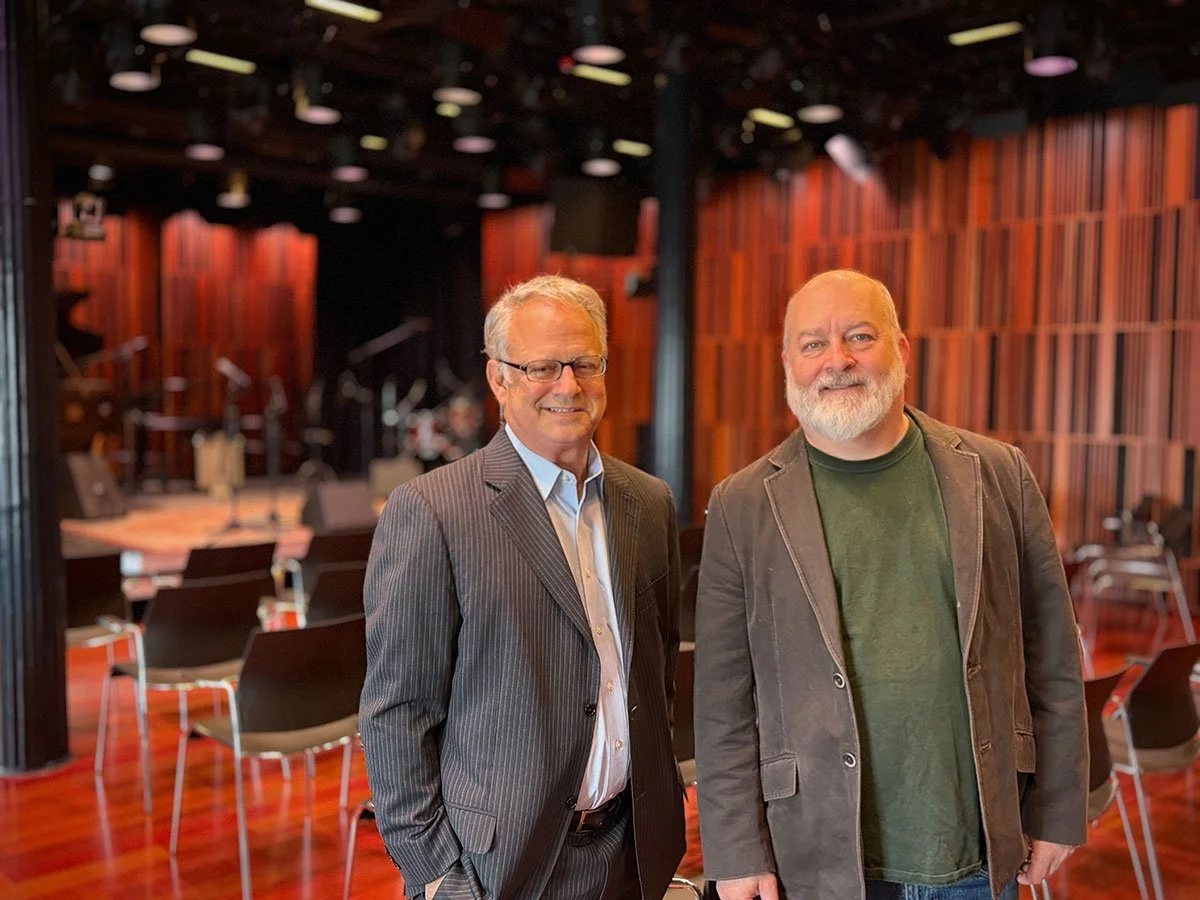
New Orleans Jazz Museum director Greg Lambousy and Danny Kadar, Chief Production Engineer in the Performance Center, photo by Ellis Anderson
The project was led by award-winning architect/acoustician John Storyk – a friend and colleague of Alpert’s who designed Jimi Hendrix’s Electric Lady Studios. Storyk was also tapped to design the in-the-works, $1.7 million Herb Alpert Foundation Education Wing. Construction on that project gets underway just two days after this year’s gala.
“Education is a big component that runs throughout all of these pieces,” says Lambousy.
“As a music museum, we wanted to install a world-class recording studio, so some of our education programs could be built around that. It also gives us another space to record for our Gallatin Street Records label.”
The multipurpose facility will feature four separate sections within the wing: The Ruth U. Fertel Jazz Lab control room; the Culture Studio, home to the Nathan and Priscilla Gordon Foundation Stage; a backstage/breakout room; and a digital audio workstation lab.
Earlier this year, the Alpert Foundation also stepped in with a five-year, $200,000 matching grant for the museum’s newly established Buddy Bolden Fund. Designed to cover music-related event expenditures – from artist and engineer fees to stage managers and behind-the-scenes staff – the fund has already exceeded its match.
“Herb likes to do matching grants because it engages other fundraisers,” Lambousy explains. “It engages the public and creates a greater synergy.”
A longtime fan of jazz and Louis Armstrong (the two performed together on the “Kraft Music Hall” variety show in 1967), Alpert’s New Orleans connection also extends to fellow trumpeter Al Hirt, who turned down the instrumental “Whipped Cream” (written by Allen Toussaint) and passed it on. The Billboard chart-topper would go on to become “The Dating Game” theme song.
“Herb is amazing,” says Lambousy. “He had the whole Tijuana Brass thing going on in the ’60s and did really well with that. Then he started A&M Records and discovered The Carpenters and Styx, worked with Quincy Jones and did really well with that. He’s very accomplished, extremely creative and, now in his 90s, still energetic and touring.
“He’s super bright and has worked with us on many projects. Herb’s a very generous person, but thoughtful in his generosity. He wants to know that it’s going to be impactful.”
Alpert’s impact on the museum has been so large that, in 2024, he became the inaugural recipient of its Danny Barker Award. Barker, himself an accomplished jazz performer and local music mentor, was also a curator of the Jazz Museum’s first incarnation during the late ’60s and early ’70s.
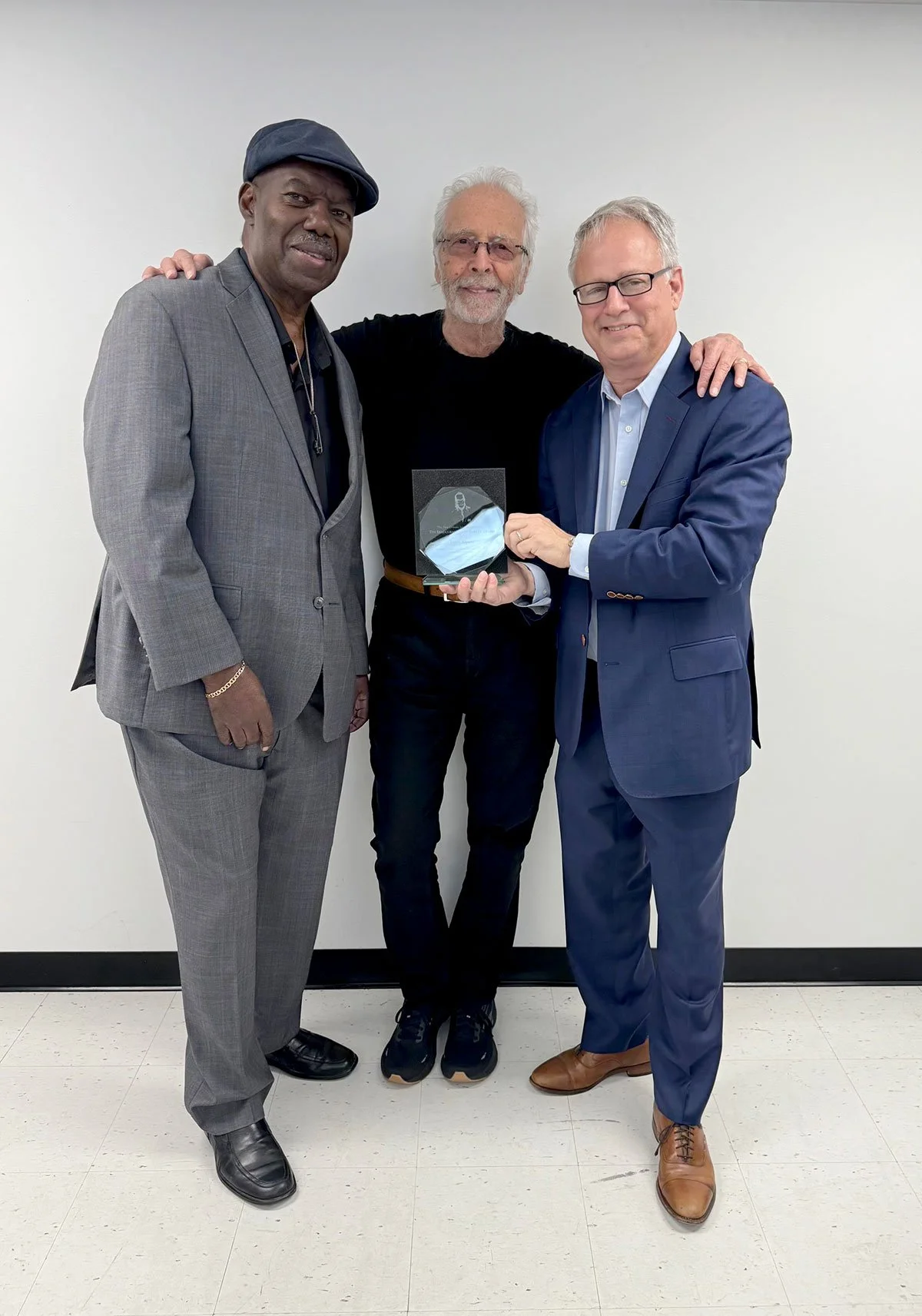
Detroit Brooks, Herb Alpert, Greg Lambousy. In 2024, Alpert was the inaugural recipient of its Danny Barker Award. Photo courtesy New Orleans Jazz Museum
Louisiana Lieutenant Governor Billy Nungesser also oversees the Louisiana Department of Culture, Recreation and Tourism. He calls Herb Alpert’s partnership with the New Orleans Jazz Museum “transformative,” and says that Alpert’s support has fostered programs in youth mentoring, educational outreach, and opportunities for senior musicians to mentor and perform.
“This collaboration has positioned the museum as a dynamic cultural hub,” Nungesser says, “making it one of the busiest programmatic museums in the nation and ensuring that New Orleans remains at the forefront of preserving and celebrating jazz culture.”
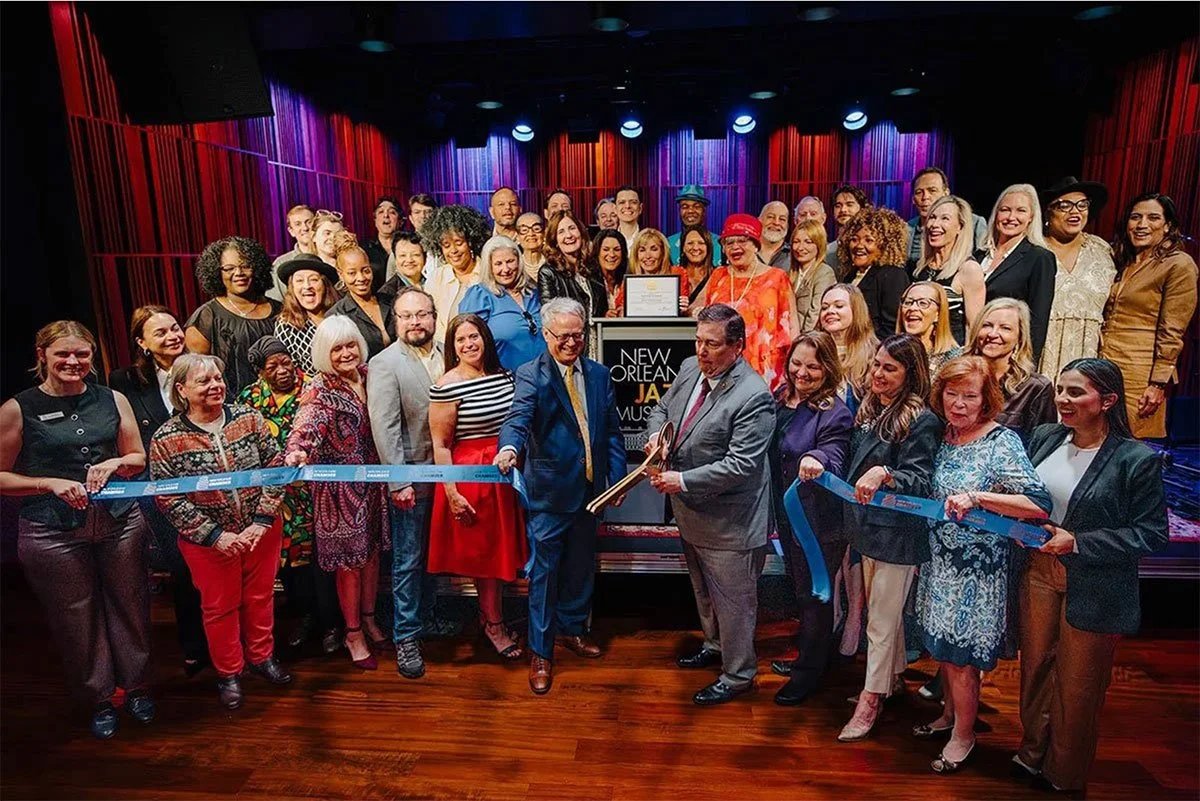
In March 2025, the museum celebrated the revamped Performance Center space, with Louisiana Lt. Gov. Billy Nungesser cutting the ribbon. Photo courtesy Jazz Museum
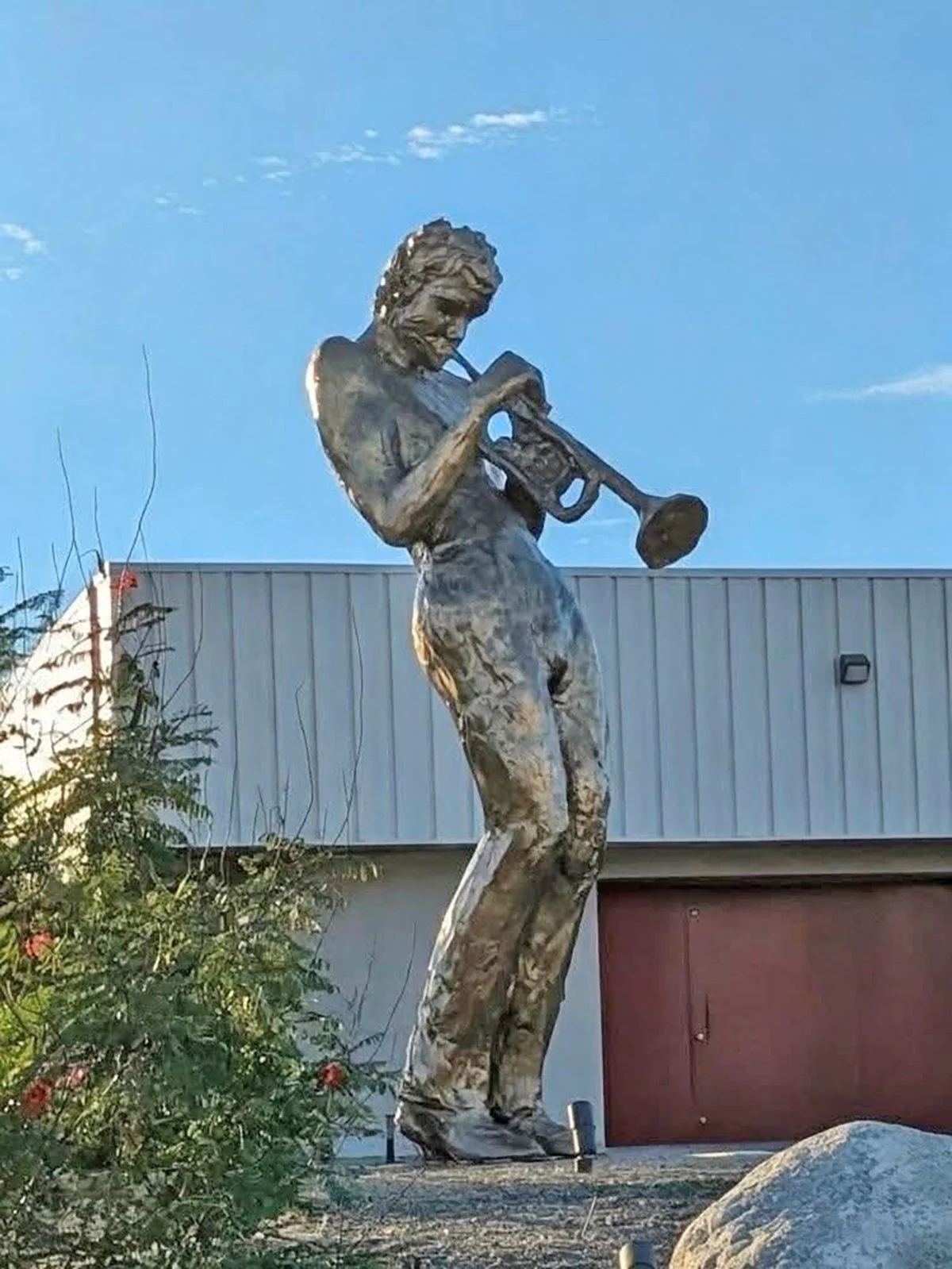
Alpert’s sculpture, The Trumpet Player, to be installed at the New Orleans Jazz Museum. Photo courtesy NOJM
In late January 2027, Alpert’s indelible artistic and altruistic legacy will be further celebrated in the Jazz Museum’s new sculpture garden. There, joining statues of Armstrong, Sidney Bechet and others, you’ll find Alpert’s own bronze pieces, “The Bass Player” and “The Trumpet Man.”
“Herb is not only an accomplished musician, record label owner and producer,” lauds Lambousy, “he’s also an accomplished visual artist.”
Alpert’s towering sculptures will be placed directly in the middle of the circa-1835 former U.S. Mint building, facing the French Market. The idea is to soften the otherwise severe-looking governmental structure, helping visitors identify it as a music museum.
It’s one of many such improvements and initiatives planned for 2027.
“Herb has been really good to the museum,” acknowledges Lambousy, “and we’re extremely grateful that he’s taken a thoughtful interest in it. Thanks to Herb, we are in a much better place now to do all the things we want to do in the future.”