Day in the Life of the COVID Quarter - Part 5
April 2020Fifth in the series of diary entries by writer/historian Frank Perez, this day finds him in his French Quarter home, dreaming of Paris.
- by Frank Perez
Thursday, April 23, 2020
5:10 am
I wake up with Paris on my mind. I had been dreaming I was roaming the Pompidou Center in the 4th arrondissement. My thoughts go to the Bastille and the image of the Marquis de Sade leaning out his cell window imploring the disgruntled masses huddled below to storm the prison. It occurs to me that all true revolutions require bloodshed and I wonder how long the quarantine would have to last before the working masses of America rise up against their corporate overlords. These thoughts are heavy. I need coffee.

This column is underwritten in part by Logo and name of column sponsor
5:30 am
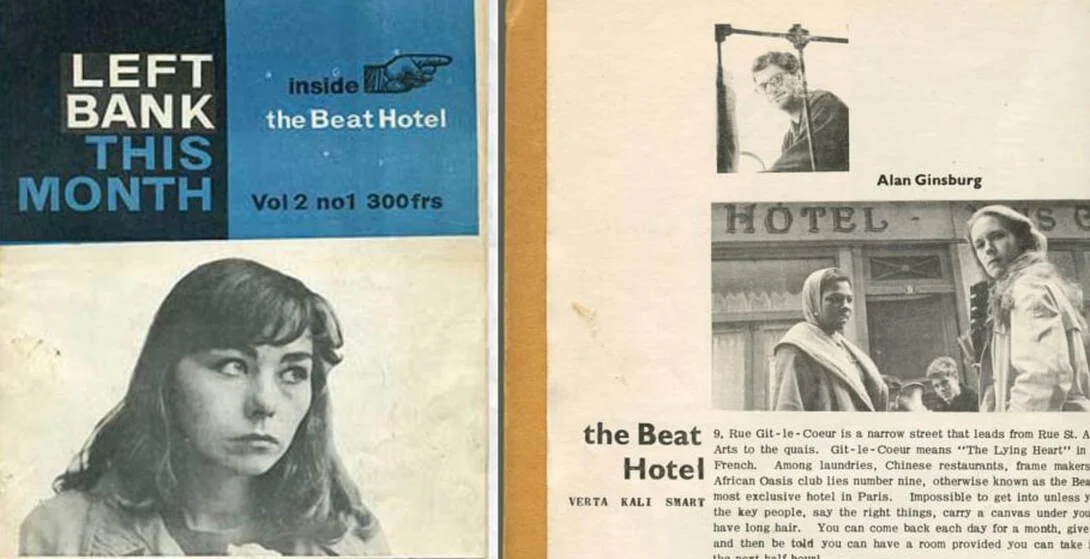
Time to visit the Stewart Butler biography manuscript. This morning’s writing session is revising the chapter on Alfred, Stewart’s life-partner. Alfred grew up in San Francisco in a wealthy family. After being diagnosed with schizophrenia, he was institutionalized but subsequently escaped and traveled to Europe. He lived in Paris for a while in 1960-61 at the fabled Beat Hotel, where he met Allen Ginsberg, Peter Orlovsky, Brion Gysin, Ian Sommerville, Gregory Corso, Harold Norse, and William S. Burroughs. He had an affair with Norse, who gifted Alfred with a few of his famous acid-drawings.
7:45 am
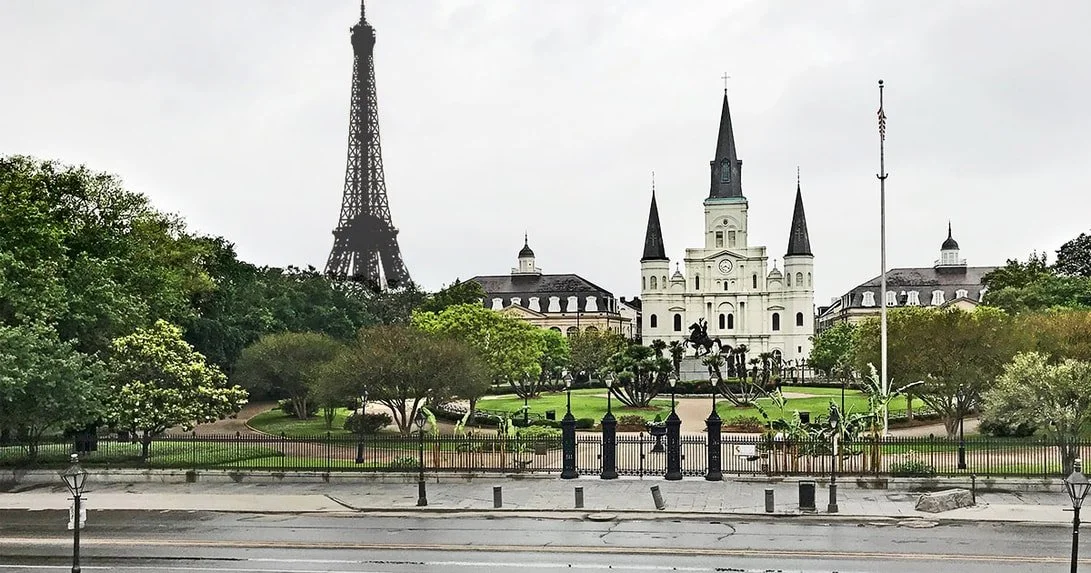
Balcony check. The streets are shiny with wet and devoid of any life. It is very quiet. The sky is Paris grey. I look toward the river and am transfixed by the lower Pontalba building. The Pontalba buildings, which flank Jackson Square, were inspired by the Place des Vosges, the oldest planned square in Paris. Truman Capote called the Pontalba buildings “somberly elegant.” Rupee, not feeling as contemplative, waters a plant.
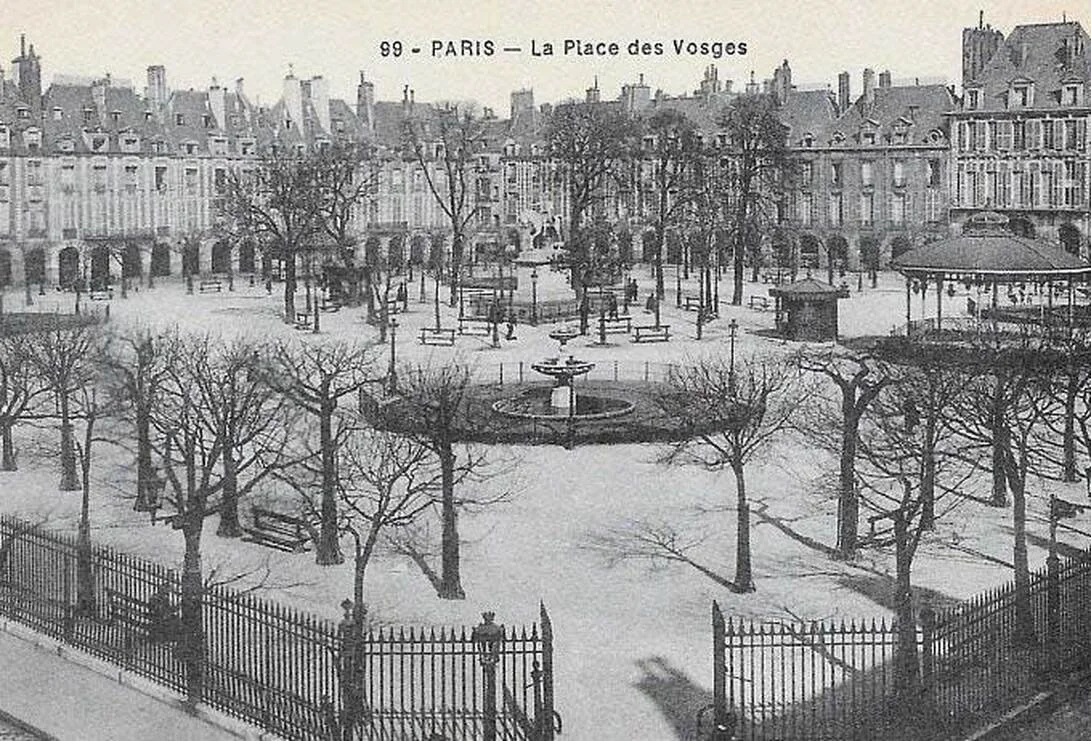
Place des Vosges in Paris
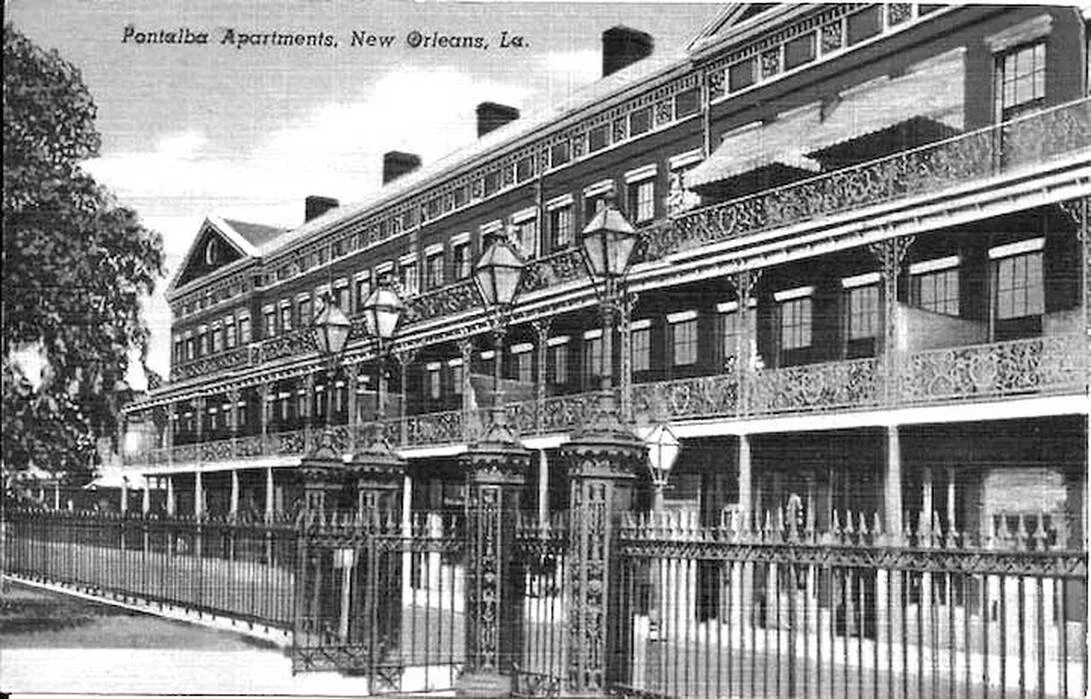
The "Somberly Elegant" Pontalba buildings
11:28 am
The Alfred chapter is complete and it’s time for lunch—a ham and cheese sandwich with a side of sautéed apples. I want to dine al fresco on the balcony, but it’s raining.
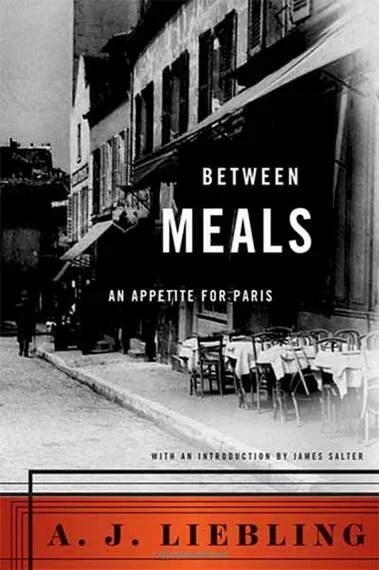
I read a passage from the late, great A.J. Liebling’s Between Meals: An Appetite for Paris, “After the trout, Mirande and I had two meat courses, since we could not decide in advance which we preferred. We had a magnificent daube provencale, because we were faithful to la cuisine bourgeoise, and then pintadous—young guinea hens, simply and tenderly roasted—with the first asparagus of the year, to show our fidelity to la cuisine classique.”
2:00 pm
The Paris connection persists. If COVID has reminded of us of anything, it’s that day-dreaming costs nothing. As I check my emails and gather bills that need to be paid, I remember my time in Paris. It was 2006 and I had spent a month in Salzburg attending the Salzburg Seminar for work.
After the seminar I met my mom and stepfather in Vienna where we enjoyed a few days exploring that city and taking a side trip to Prague. After the folks returned stateside, I lingered in Europe, spending the rest of my time in Paris. There I immediately felt at home.
With work done for the day, I decide to return to Paris. I spend the rest of the afternoon reading. But what to read? There are so many books from which to choose: Barclay’s A Place in the World Called Paris, Karnow’s Paris in the Fifties, Mayle’s A Year in Provence, White’s The Flaneur, Baxter’s We’ll Always Have Paris, Flanner’s Paris Was Yesterday, and so many more.
I choose Julian Green’s Paris: “Paris, as I have said, is loathe to surrender itself to people who are in a hurry; it belongs to the dreamers . . .”
5:41 pm
Dinner is a pork and vegetable stir-fry, with an imaginary bottle of ’83 Bordeaux.
6:30 pm
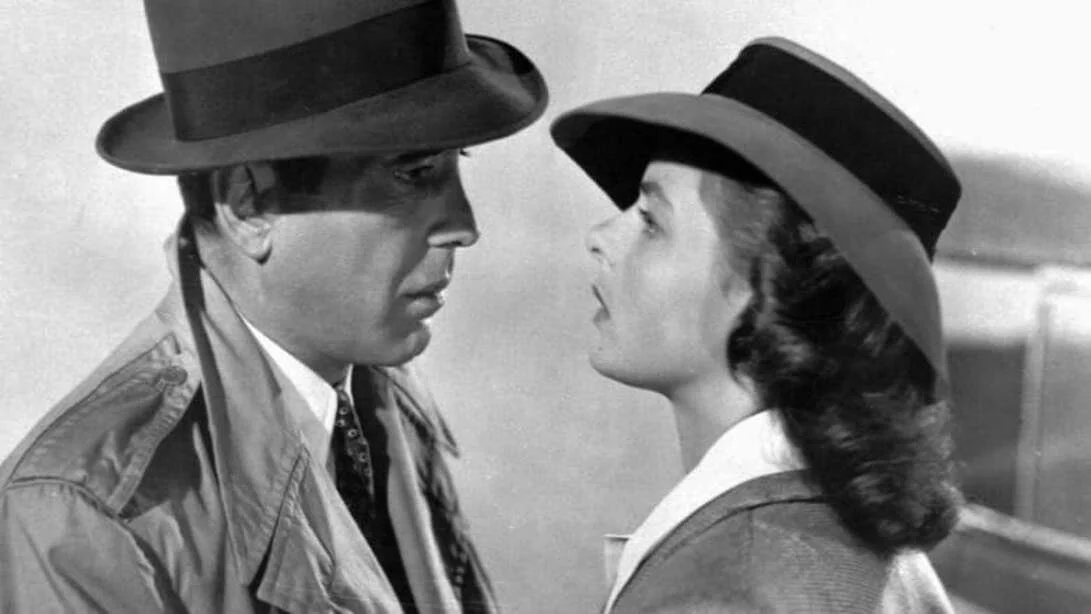
Tonight’s movie choice is easy - Casablanca. This is one of those rare movies that gets better with every viewing. And while Bogey may not have been the most handsome leading man in Hollywood, or even the best actor, he certainly was the coolest, especially as Rick Blaine.
In the final, climactic scene, he tells Bergman (Ilsa), “I'm no good at being noble, but it doesn't take much to see that the problems of three little people don't amount to a hill of beans in this crazy world. Someday you'll understand that.”
In the COVID world, truer words were never spoken.