
Scott Bazenet-Tilton: Layers of Culture
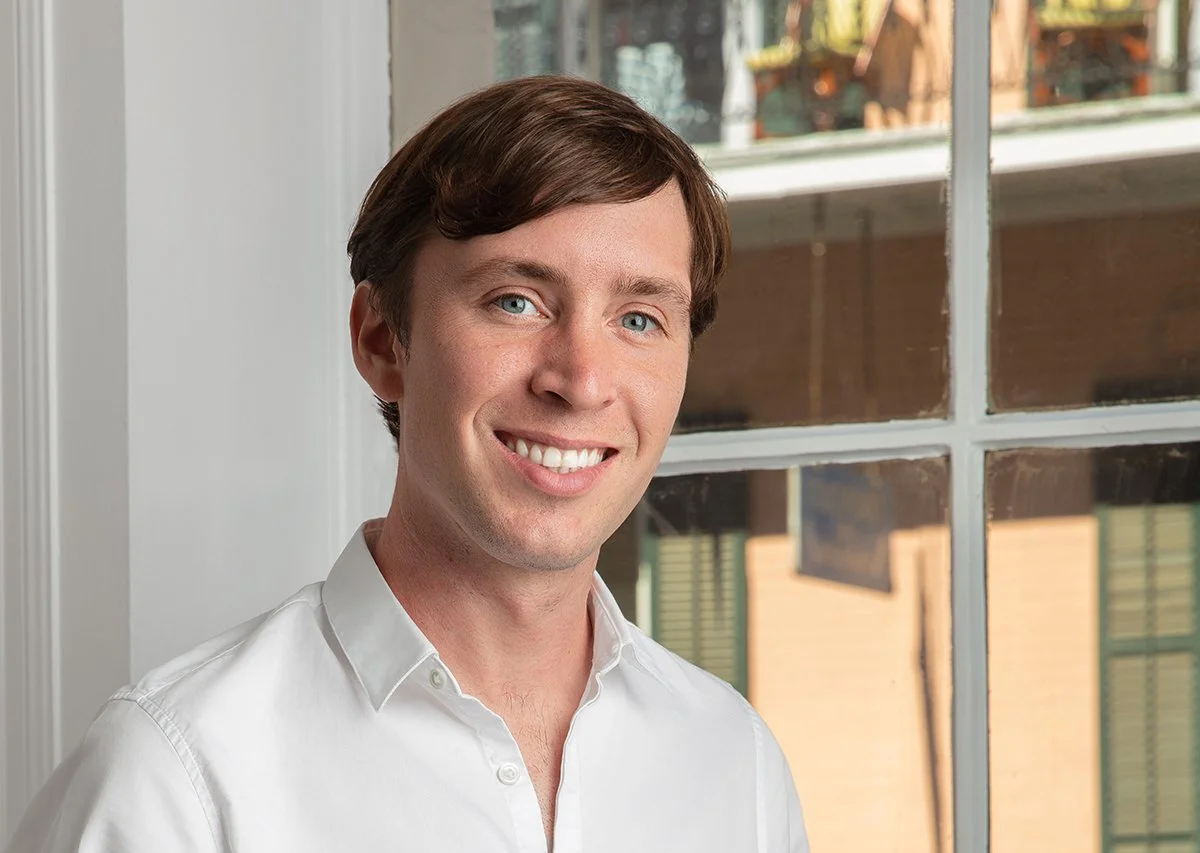
Scott Bazenet-Tilton in the Nous Foundation on Toulouse Street.
August 2026Led by heritage and history, a young New Orleanian comes of age in the Vieux Carré, developing a lifelong love of the French language.
~ by Scott Bazenet-Tilton

This project is made possible in part by a grant from the New Orleans Jazz & Heritage Foundation, Inc.

This project is underwritten in part by Kelly & Linda Baker
This project is underwritten in party by Rose Ali
This project is underwritten in part by Rosemary James, volunteer Managing Director of The Pirates Alley Faulkner Society
I’ll begin with a brief introduction. My name is Scott Bazenet-Tilton, and my husband is Rudy Bazenet-Tilton. We live in the French Quarter at the intersection of Royal and Dumaine streets. We co-founded and direct the New Orleans Foundation for Francophone Cultures (Nous), based on Toulouse Street.
I guess our lives are basically in a five-block radius in the Quarter. I joke that if I were going to ask my husband to move to New Orleans from Paris, then I might as well make him walk up three flights of stairs with a handful of grocery bags and no elevator, just to remind him of Paris.
In thinking through my attachment to the Quarter – which began after my family bought a home in the neighborhood after Hurricane Katrina flooded our home – I was reminded of my family’s Creole roots and deep pride in Louisiana’s French language.
I tried to find a metaphor to compare my living in the Quarter today to my deep reconnection and the fight for a Creole culture that I grew up learning to cherish.
What came to mind was a statement by Dr. Angel Parham, who taught at Loyola and is now at the University of Virginia. She referred to New Orleans as a “cultural palimpsest.”
A palimpsest is a manuscript or piece of writing material on which the original writing has been effaced to make room for later writing but of which traces remain. I heard Dr. Parham refer to this idea when talking about the French Quarter and how spaces once thought erased still exist in the urban fabric of the neighborhood.
In a city that can’t dig down – and only recently could build up – each community in the French Quarter tended to build on the past to make the neighborhood their own.
In my early adolescence after Katrina, living in the French Quarter was a formative experience. I was able to walk around and understand the older generations of my family who talked about Creole culture and French in this city.
I remember walking into Arcadian Books owned by Russell Desmond and getting my hands on French-language literature from Louisiana. I recall the first time I opened Les Cenelles, a seminal work by Afro-Creole authors from the 1840s, and with my novice French at the time, being transported into another world. Many of the poets lived in the neighborhood and referenced the same streets and buildings.
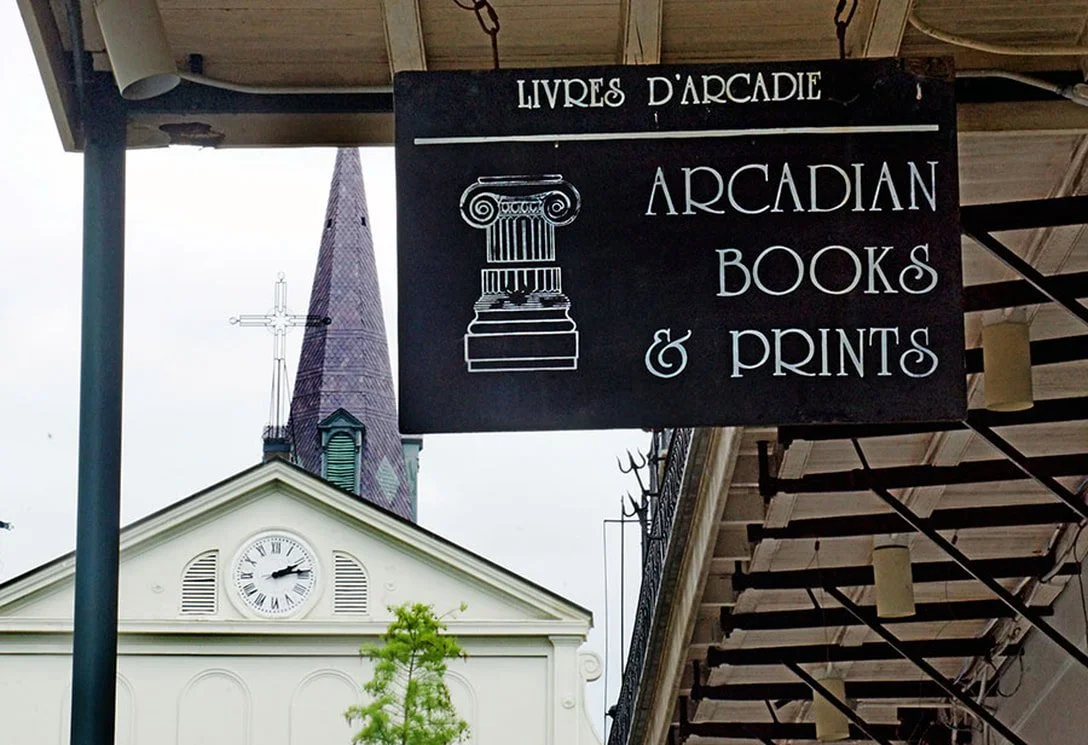
Arcadian Books on Orleans Street, photo by Ellis Anderson
In the evenings, I would walk my dog with my father, and we would speak French together. It felt like being a flâneur in Paris as we’d walk down Pirate’s Alley to the cathedral, and there was a deep sense of pride in my feeling like we were speaking across generations as I jabbered away with my unfiltered opinions about politics, the rebuilding of the city, and history with my father in non-fluent French.
I also remember talking to my grand-mère, Louise Dupuy, in her kitchen as she talked about how she and her sisters would take the streetcar downtown in the 1930s, and how there were still businesses where French could be spoken. She talked about an oyster vendor right off the French Market where she had a beautiful photo taken of her that appeared in Life Magazine.
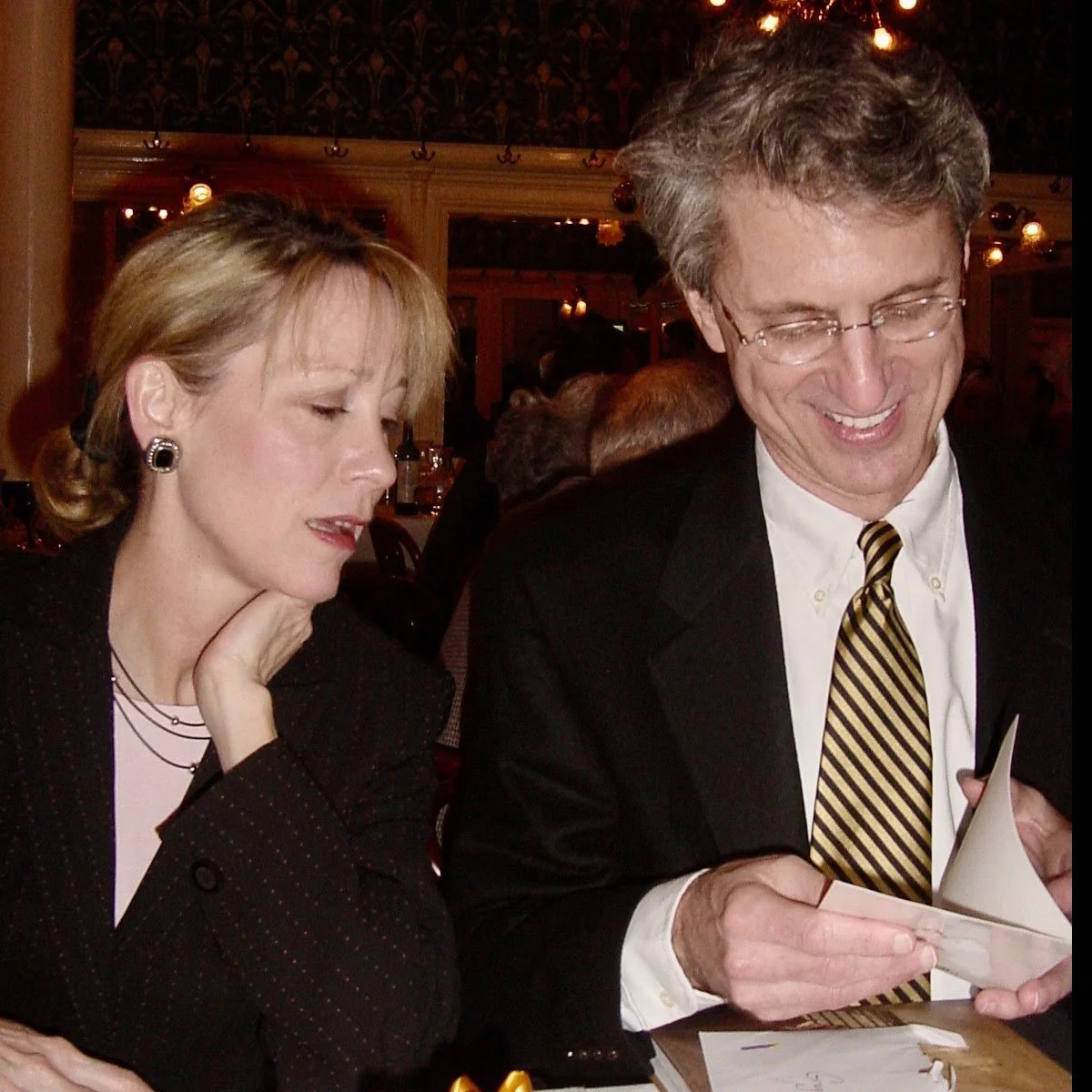
Scott’s parents at a birthday luncheon at Galatoire’s
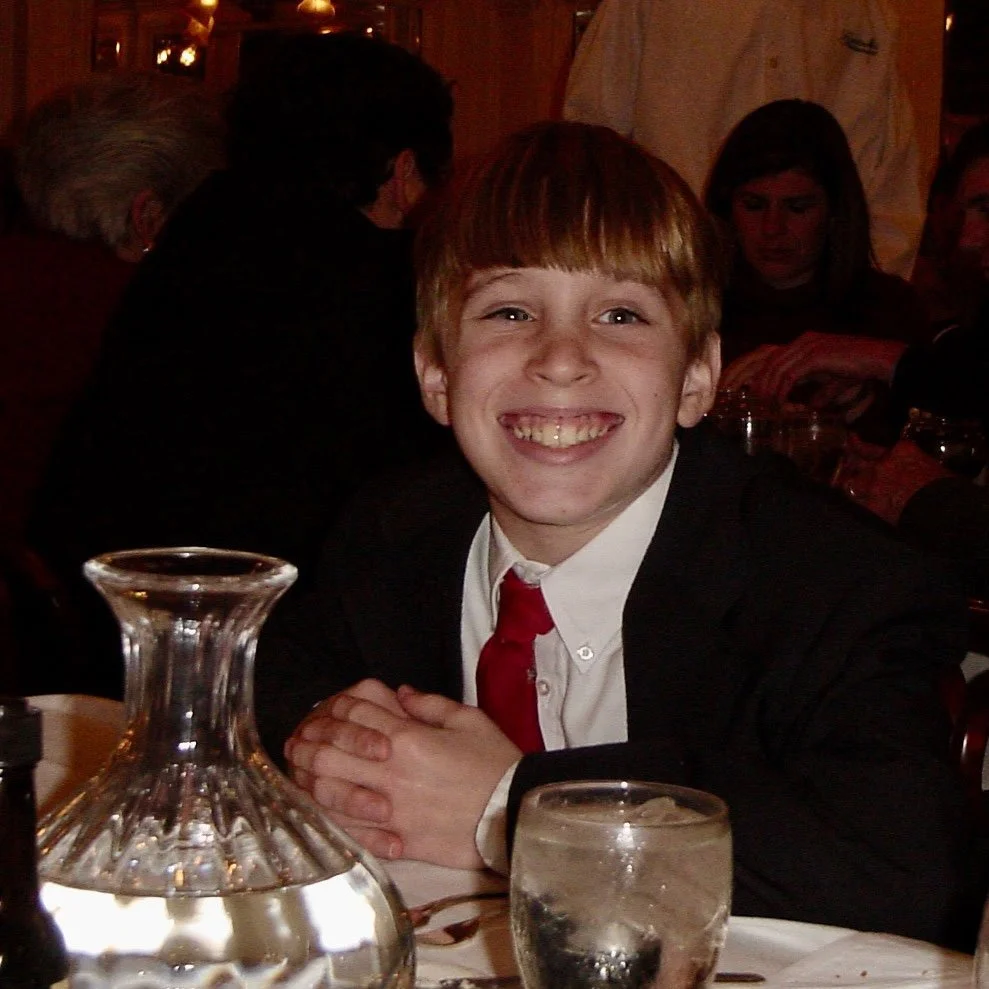
Scott as a child
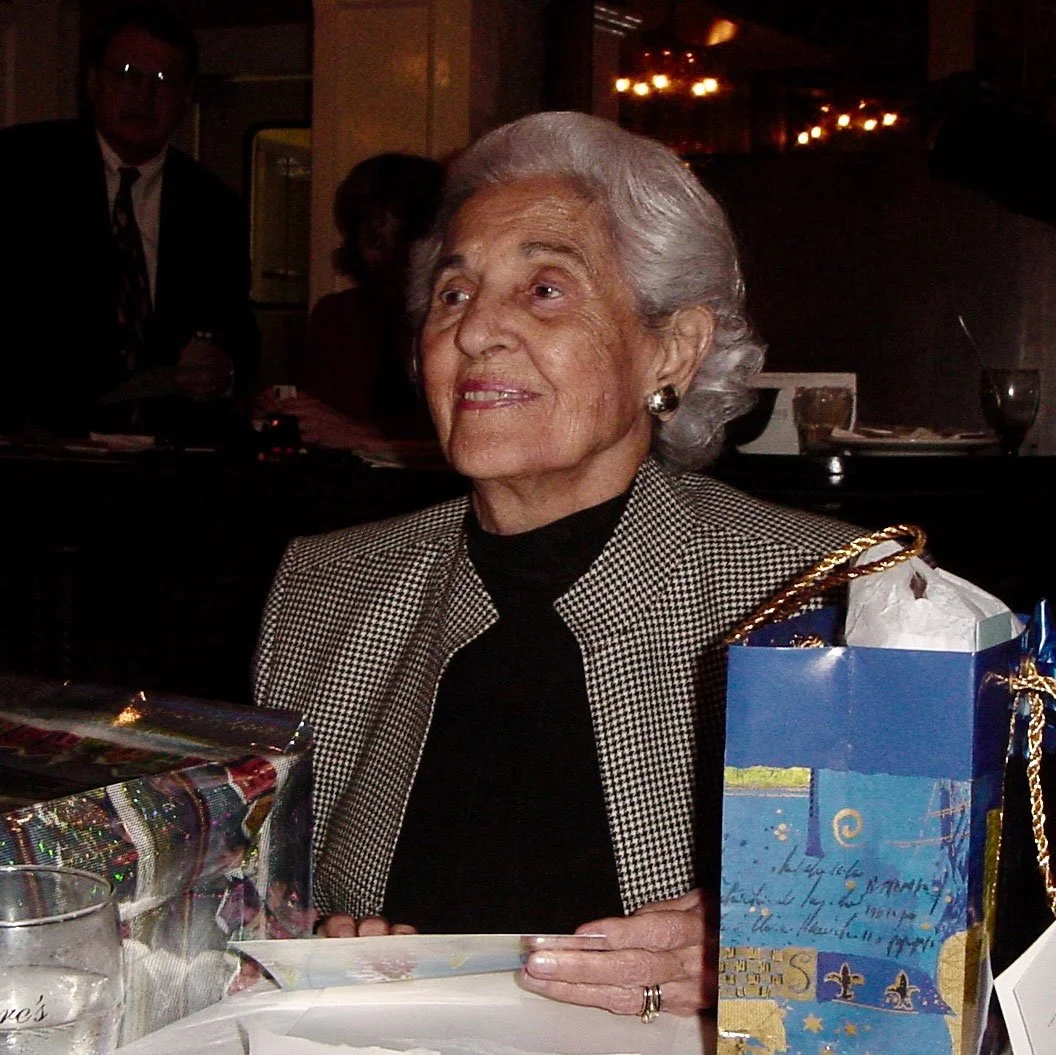
Scott’s grand-mère at a birthday luncheon at Galatoire’s
Amidst the enchantment, I recall a more painful experience in which I was speaking French with my father and a burly man walked by us with his wife. He shot back at us, “Just speak English.”
The idea of not speaking French in the French Quarter is somewhat comical, but it left a lasting impression on me because I realized why my grand-mère said she was discouraged from speaking French, as it was viewed as un-American.
It made me realize that what makes New Orleans amazing – its layers and layers of culture and refusal to conform – was somehow viewed as negative by certain people. I think, with hindsight, that moment was seminal because it ignited a flame that my family’s pride in Creole culture and French was something to be fought for against ignorance.
Apart from living in a neighborhood shaped by Creole communities for generations, I also enjoyed the feeling of the neighborhood as a Café des Exilés (exiles’ café) that attracted people across the South because the sort of vague, hard-to-define, laissez-faire French side of the city offered a space for misfits.
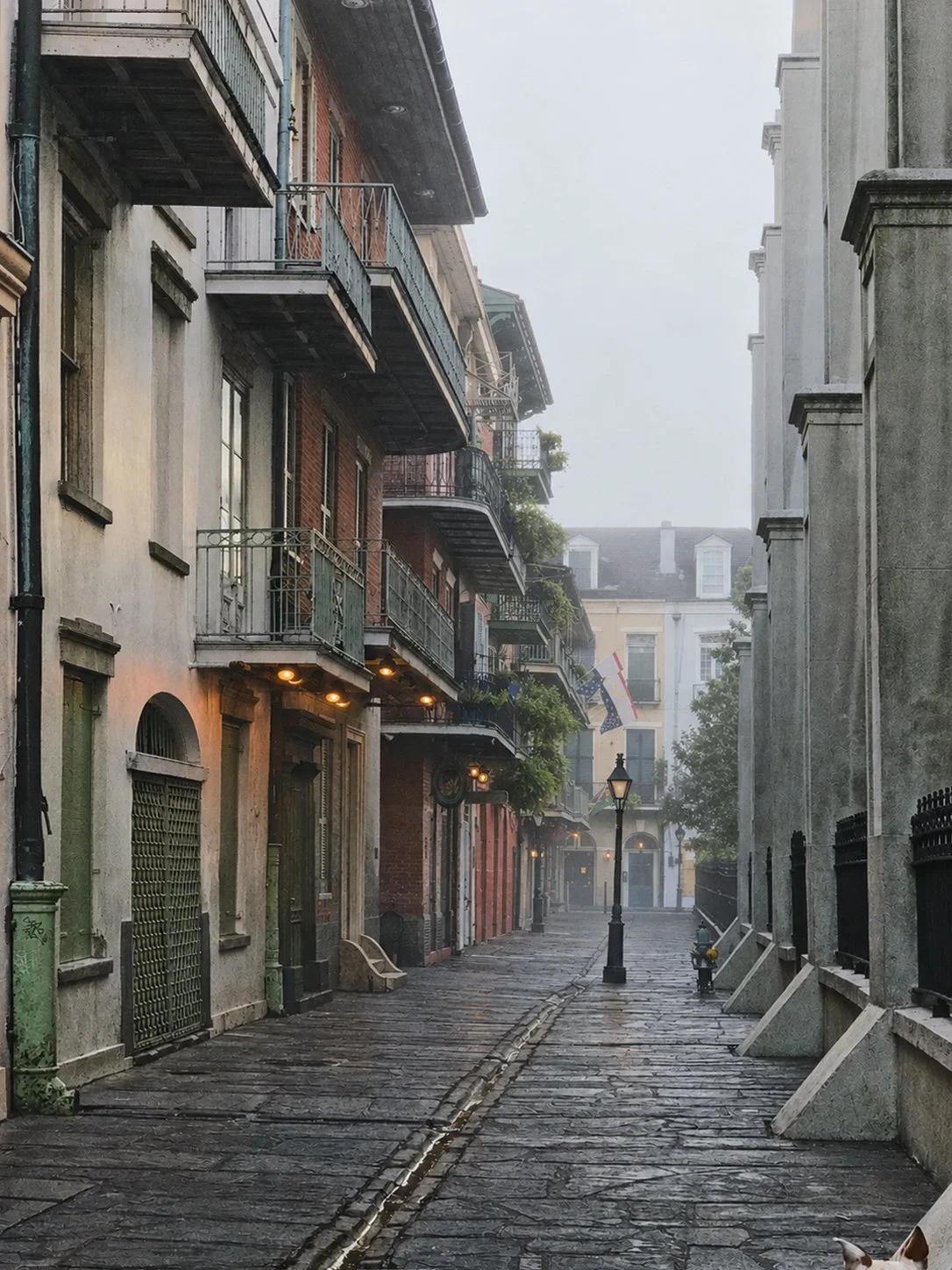
“It felt like being a flâneur in Paris as we’d walk down Pirate’s Alley to the cathedral…” photo by Ellis Anderson
When I was about 14 or 15, I felt so special as I used a hidden alley exit adjacent to our apartment. When I turned into it, there was a guy dressed in 19th-century garb who jumped a solid four or five feet into the alley.
I remember the guy had red contacts in and a cane – presumably a proud member of vampire community (which I learned later was a thing). I remember thinking, “Not today, Satan,” and running back through the alley and shutting the iron gate into our courtyard.
Apart from the craziness of urban vampires, I do think being surrounded by the effervescence of gay bars, Decadence, Mardi Gras, and real joie de vivre celebration of life created a love for acceptance that helped me later in life come out and meet my husband. French-speaking, living in the French Quarter with a French husband – I think Tennessee Williams would be proud.
I’ll conclude with that idea again of the cultural palimpsest. I love how we celebrate all the cultures of the French Quarter today, including the Italian presence in Piccolo Palermo. Each layer added so much to the vibrancy of this place, and it’s worth preserving every layer.
Growing up, my family’s pride in Creole culture was hard to make concrete at first as a child because everything around me was in English and the zeitgeist of the country in my childhood was certainly pro-French with the war in Iraq.
But this neighborhood gave me a playground to discover a side of my own story that has informed everything that I have done with my life. It was walking by the Sheraton on Bourbon and reading the plaque about the Old French Opera House that made me ask my grand-mère about the building and learn that relatives of mine used to go there. It’s in walking into the Historic New Orleans Collection that I spent hours discovering more of this city’s history.
This love of my city and culture propelled me to study and live in France and then launch a cultural institution here in the French Quarter that celebrates Louisiana’s Creole and Cajun Cultures. I owe the Quarter and its residents so much because this spectacular journey my husband and I are on in New Orleans began by peeling back one layer of this neighborhood’s history.
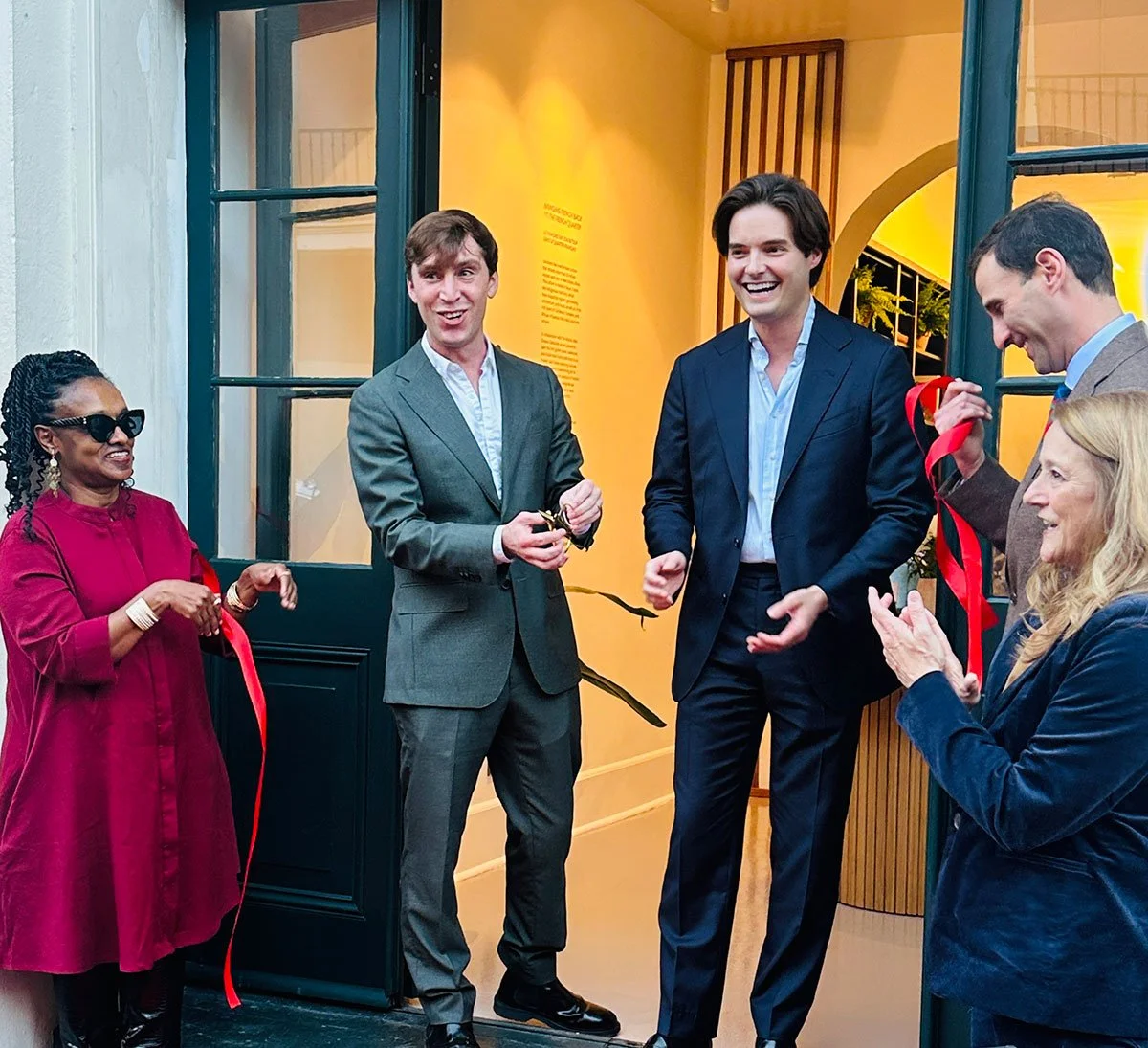
Scott and husband Rudy Bazenet at the ribbon cutting for the headquarters of the Nous Foundation on Toulouse Street, December 2025, photo by Ellis Anderson