A Thanksgiving Trifecta

Photo © Cheryl Gerber
November 2025New Orleans knows something America needs to remember: A single moment can change everything.
– by Cheryl Gerber

This column is underwritten in part by Connie & Michael Warner
“Remember, no matter what happens, good or bad, it’s just so much—[he] used the gambler’s term, unconsciously—just so much velvet.”
—Edna Ferber, So Big
New Orleans has never been a single-track city -- not in its seasons, not in its sorrows, and definitely not in its holidays. Anywhere else, Thanksgiving is a tidy, one-day Norman Rockwell affair. But New Orleans doesn’t do tidy, and it certainly doesn’t do Rockwell.
I already knew that, but I was reminded of it when my in-laws came down from upstate New York one year and we took them to the Fair Grounds on Thanksgiving Day. My mother-in-law looked around at the outrageous hats, the cigar smoke, and the raucous crowd cheering on horses before noon and said, “You people sure do things differently down here.”
She wasn’t wrong. But the truth is, I can’t think about Thanksgiving without thinking about the Fair Grounds.
Maybe I feel this more than most because I grew up at the New Orleans Fair Grounds. Not the glossy, crazy-hat Instagram version we see today, but the gritty, cigarette-scented, moldy concrete basement of my childhood. The men weren’t wearing bowties and bowler hats. They wore their week-long worries. And my dad was no exception. He wasn’t there for glamour; he was there for the gamble, always scanning the racing form for the miracle win he believed was just one race away.
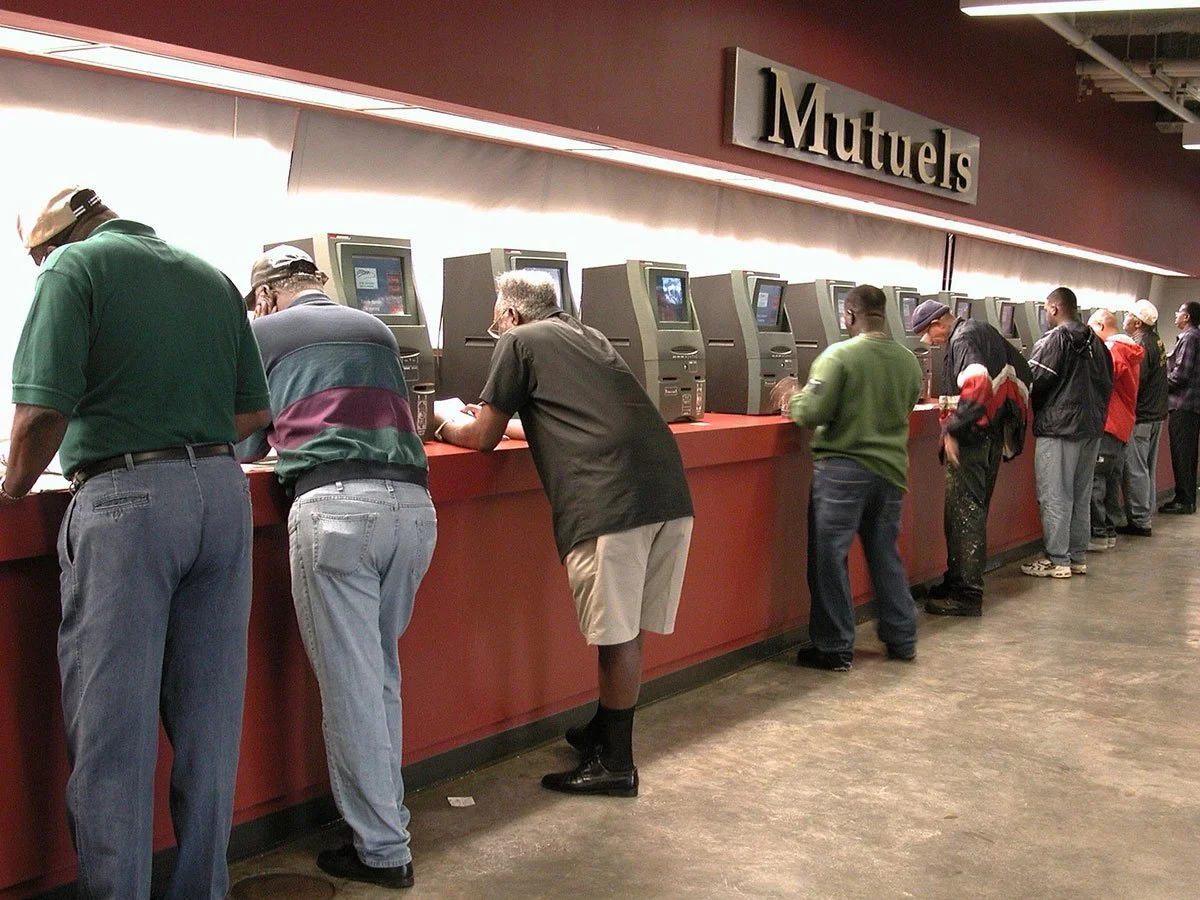
Photo @Cheryl Gerber
Some kids spent Saturdays at the Audubon Zoo or City Park. I spent mine learning to read a racing form before I could read fractions. But I learned other things too, the kind that stay with you longer than arithmetic ever will.
These days, I think about those Saturdays more than ever, about the lessons I still lean on: gratitude for where I came from, hope for a last-minute miracle, and grit to survive everything in between.
The Fair Grounds was my first classroom in New Orleans paradox -- a place where people with no money bet like they were rich, where people with money drank like they were broke, and where everyone, no matter who they were, believed that the next race might change everything. Isn’t that New Orleans? A city fueled by hope, heartbreak, luck, chaos, and music -- all of it colliding on one long, endless track.
My dad didn’t win very often, and it wreaked a lot of havoc in our home. When I finally learned how to read the racing form with confidence, I tried to convince him to pick a real contender instead of the hapless colt he was leaning toward—the one that had never won a race.
“That horse has heart,” he’d say. Maybe it did. But what I eventually figured out was that he only bet the longshots because longshots paid big. So I grew up cheering for the hopeless causes. And maybe that’s why New Orleans -- and underdogs everywhere -- feel so much like home to me.
I adored my dad, win or lose. I adored the light in his eyes as the announcer’s voice boomed over the loudspeakers and his horse began gaining on the favorite. I adored the way he’d grip his racing form so tightly it wrinkled, slapping his leg and shouting, “Come on with that seven horse!”
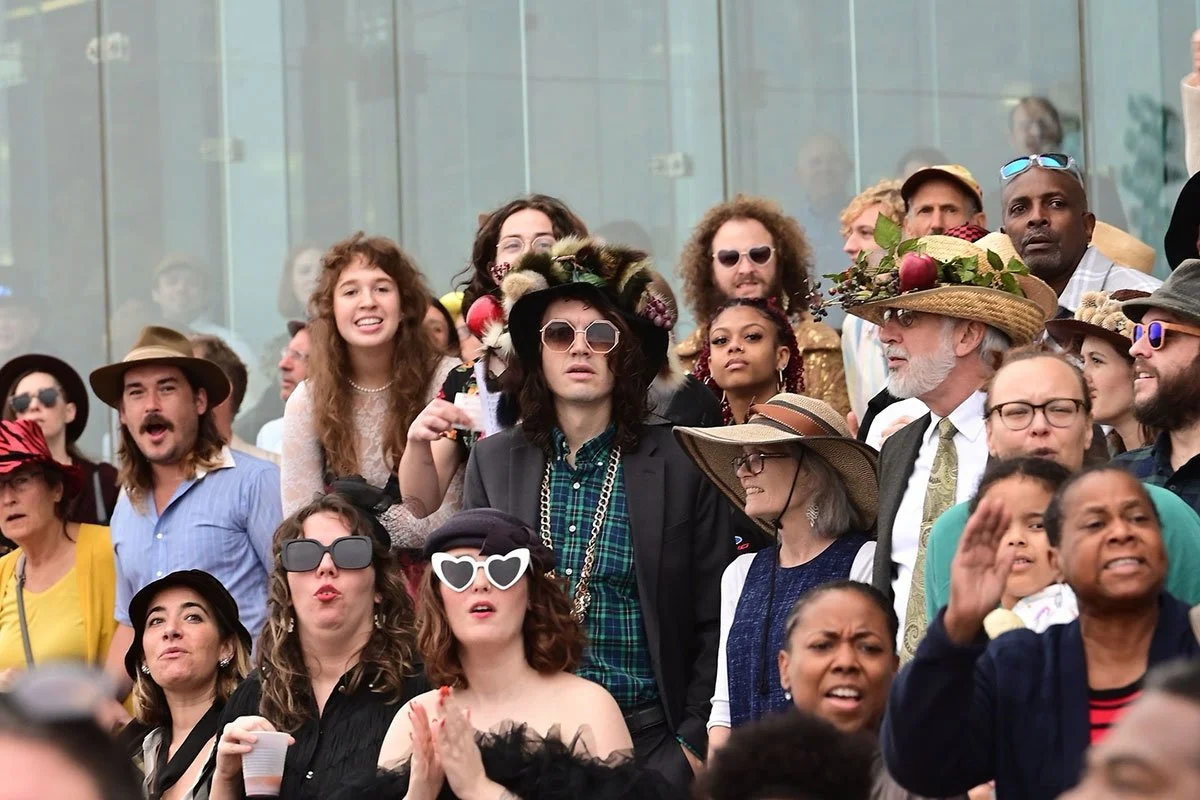
Photo @Cheryl Gerber
And yes, I remember the heaviness in his shoulders after a loss, the way he’d walk away tearing up his losing tickets, walking away empty-handed to face the inevitable wrath of my mother. My heart broke for him. But he kept going back, week after week, year after year, because sooner or later, his longshot would come in.
One of those highs came on a bright, crisp afternoon after a long streak of losses. My siblings and I were starving, that kid-kind of starving where you’d eat your own shoelace if it had a little mustard on it. We begged for a hot dog, and Dad gave his usual answer: “After the next race.”
So we asked him to let us watch outside in the grandstand instead of the dark, clammy basement with the flickering TVs and hollering grown men. He finally relented, and we burst into the sunshine like we’d been uncaged. The air smelled like popcorn, horses, and hope.
We were still hungry, but the roar of hooves kept our minds off our stomachs, until Dad’s horse lost again.
Then the tote board lit up in giant red letters: FEBRUARY 8, glowing like a sign straight from heaven, or a warning from hell.
My stomach dropped, not from hunger this time but from fear. We’d forgotten our mother’s birthday. We once forgot Mother’s Day and never heard the end of it.
We tore down the stairs yelling, “Daddy! It’s Mom’s birthday!”
He looked at us like he’d seen a ghost -- scared, conflicted, already calculating the damage – before dropping his eyes back to the racing form.
“One more,” he said.
So we watched. Held our breath. And somehow, as if waiting for this exact moment, Dad’s longshot broke from the pack and crossed the finish line first. Dad jumped up hollering, us cheering, and the next thing we knew we were racing toward McKenzie’s for those promised donuts, then on to Lakeside Mall to buy Andre a necklace, saving her birthday with a last-minute miracle only the racetrack, and my father, could deliver.
Turns out she enjoyed her quiet afternoon more than the necklace. But that wasn’t the point. The point was that the longshot came through when we needed it most.
And maybe that’s the lesson this Thanksgiving -- a lesson New Orleans can offer the rest of the country. Because right now, we are hungry for a miracle.
And if there’s one thing New Orleanians understand, it’s miracles. Even after that abysmal, migraine-inducing game against Atlanta Sunday, we can’t forget the moment that lives in our bones: the first game back in the Superdome after Katrina, when a lone player from Special Teams came streaking through the line on a play that still feels like myth. The stadium didn’t cheer; it rose, as if an entire city lifted itself from the ashes at once. We don’t remember the stats; we remember the feeling of hope hitting us like lightning.
Those are the days when New Orleans comes in like a 99-to-1 longshot and takes the whole race.
And that brings me to what New Orleans has to teach America this Thanksgiving. Right now the country feels bruised, divided, exhausted -- stuck at the starting gate. So many people feel like the odds are impossible, the future bleak, the whole race rigged. But New Orleans knows something America needs to remember. A single moment can change everything.
As Ken Burns shows in The American Revolution, history wasn’t shaped by the empire in charge, but by the underdogs who dared to rise up against the British. What stayed with me about the PBS series wasn’t the cannons or the uniforms. It was the unlikely coalition of Americans — Black and white, immigrant and native-born, believers of every kind, standing shoulder to shoulder, despite the odds that said they never should have won anything at all.
History turns on moments like that.
One shot heard ’round the world.
One impossible blocked kick in the Superdome.
One longshot horse coming from behind.
So this year, I’m keeping my trifecta close -- gratitude for the road behind me, hope for the miracles I can’t yet see, and grit for the miles still ahead. Because New Orleans has shown me, time and time again, that the longshot finds its stride when you least expect it. And sometimes the dark horse is worth betting on.
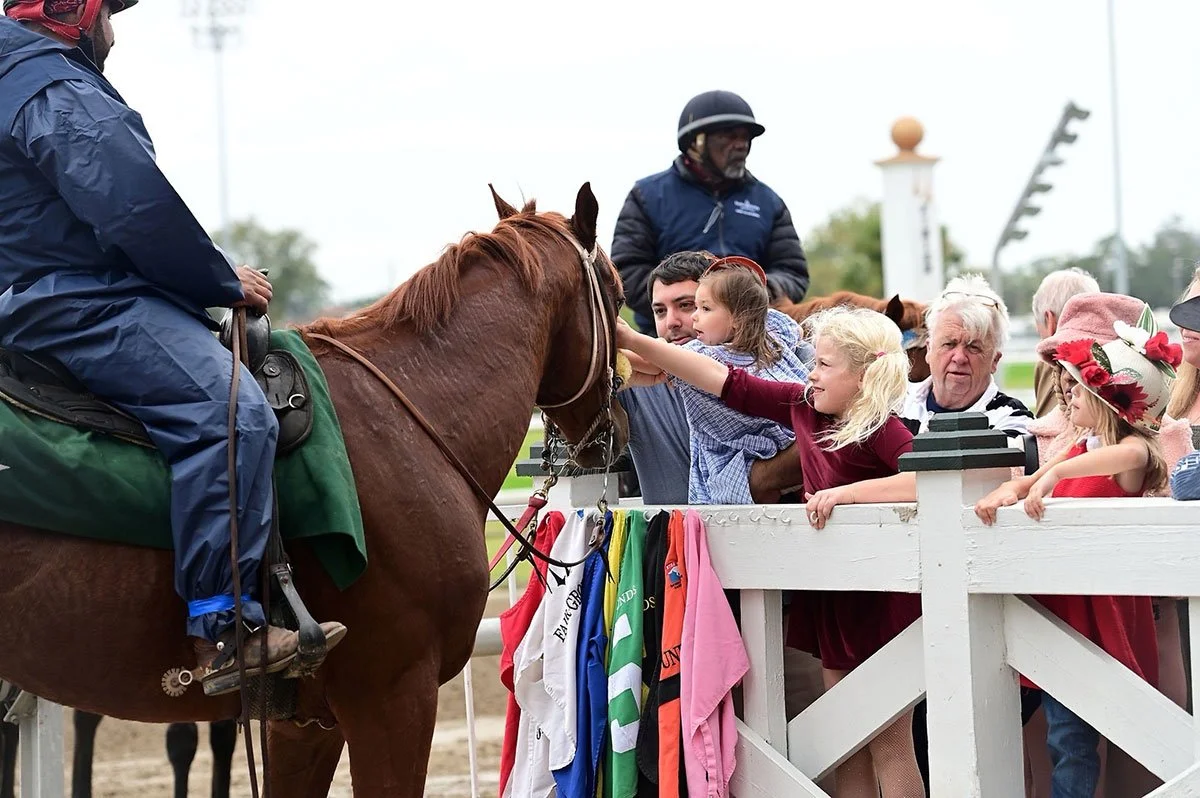
Photo @Cheryl Gerber
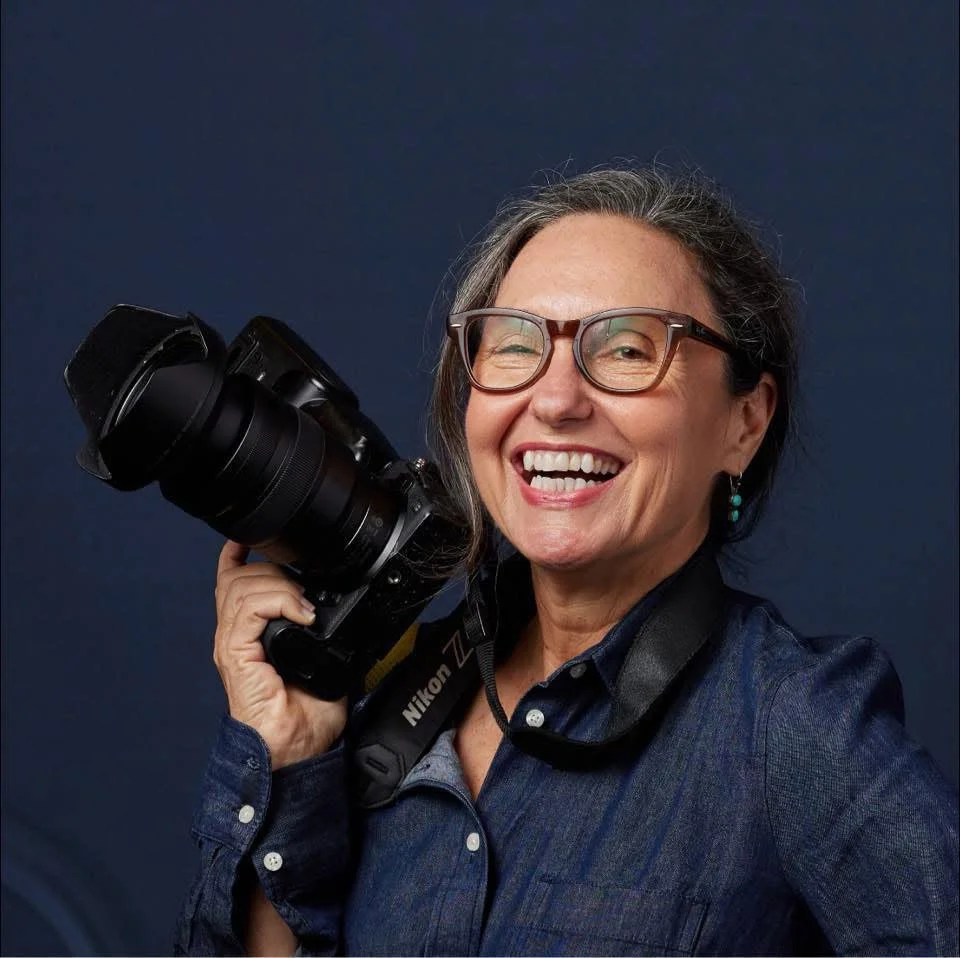
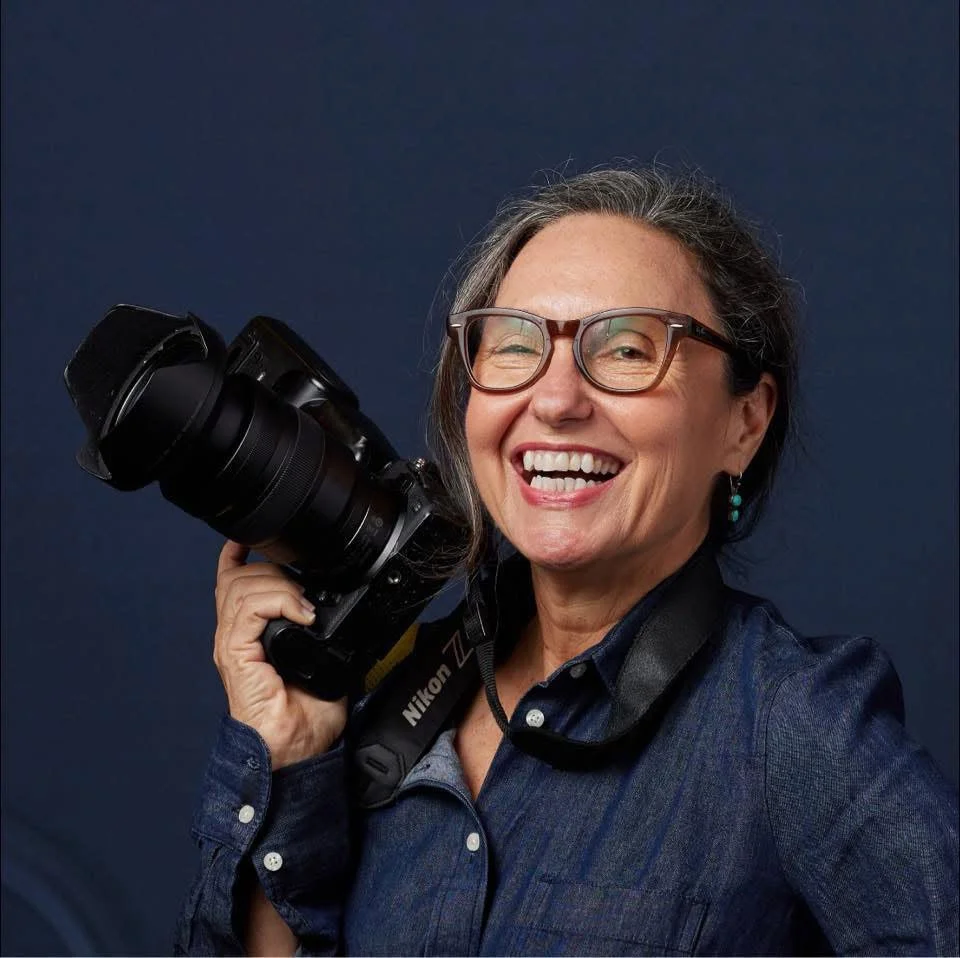
Cheryl Gerber is a freelance journalist and documentary photographer working in New Orleans, where she was born. She began her journalism career as a reporter but switched to photography after spending a year working in Honduras. In 1992, she began working for Michael P. Smith, who nurtured her desire to document daily life in New Orleans.
She began working with Gambit Weekly as a staff photographer in 1994 and today is a regular contributor to The New York Times, the Associated Press, New Orleans Magazine and French Quarter Journal. During the past two decades, Cheryl has won several awards from the New Orleans Press Club for her work on social issues and news photography.
Cheryl is the author of three books: NEW ORLEANS: Life and Death in the Big Easy, Cherchez La Femme: New Orleans Women, and The Danse Macabre: Celebration and Survival in New Orleans. Follow her on Substack here.