November 2026Local entrepreneur Brandon Pellerin is helping resurrect one of the city’s forgotten foods by serving it up with a side of history at the Cabildo Museum.
– by Kim Ranjbar
If you choose to listen to this story, don’t miss out on the photos below! “Calas, calas! Belle calas tout chaud!” – was an early morning cry commonly heard throughout the Vieux Carré during the 19th century, but the sweet, crispy fried rice cake sold by street vendors had all but disappeared for nearly a century . . . until recently.
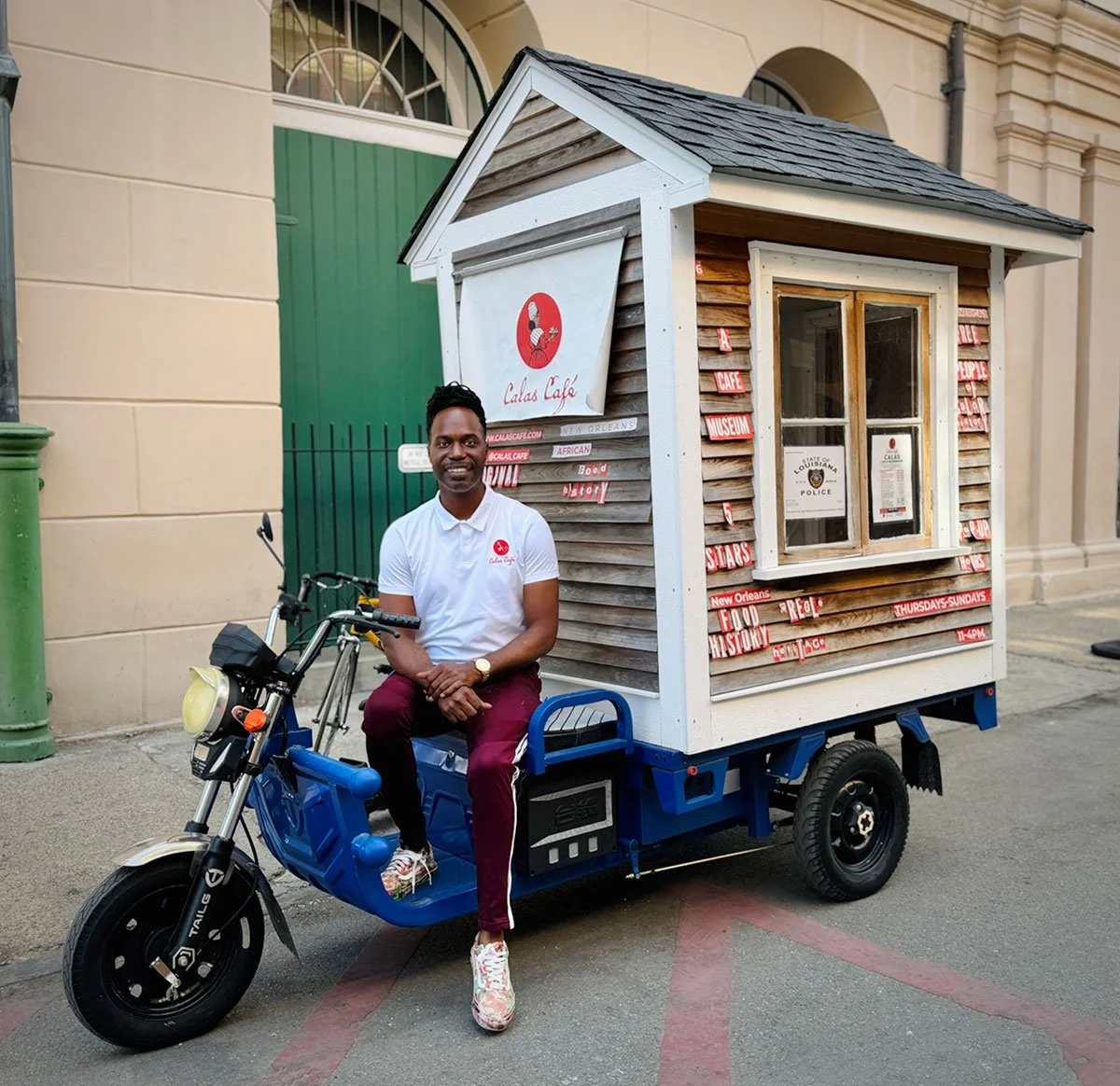
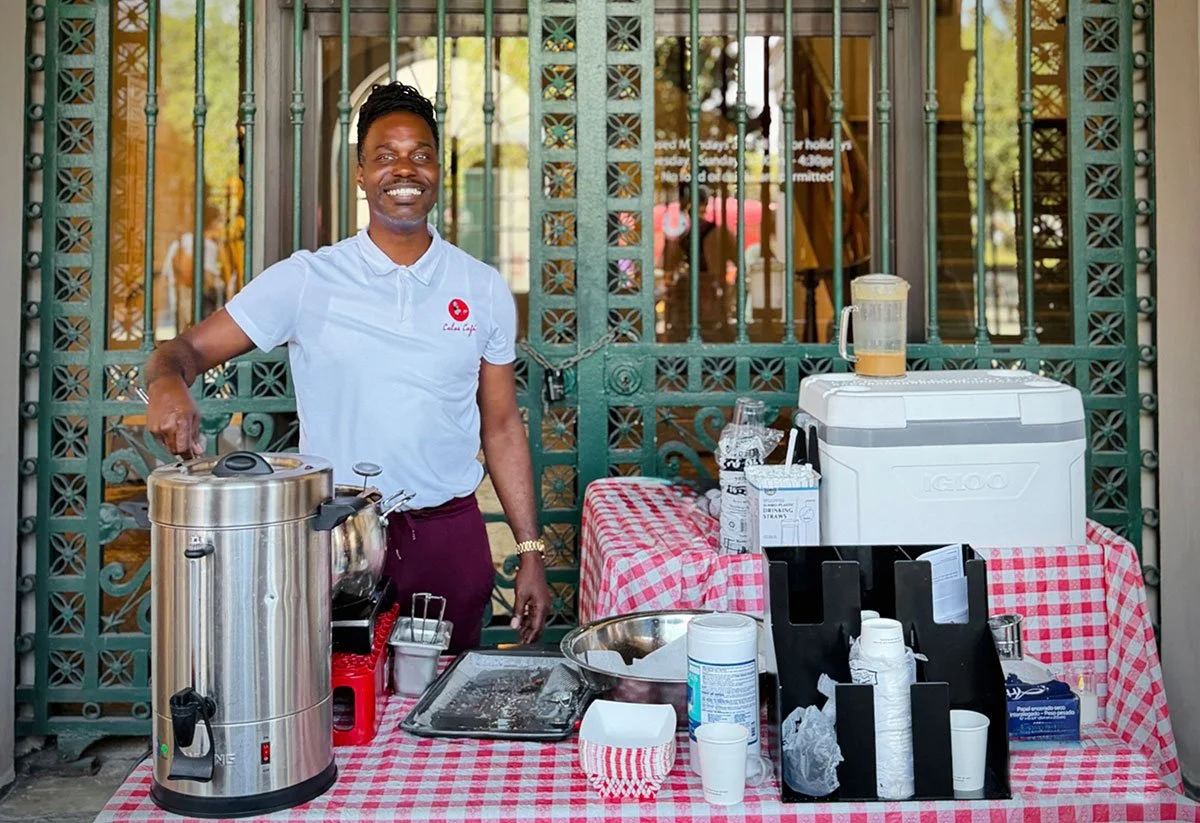
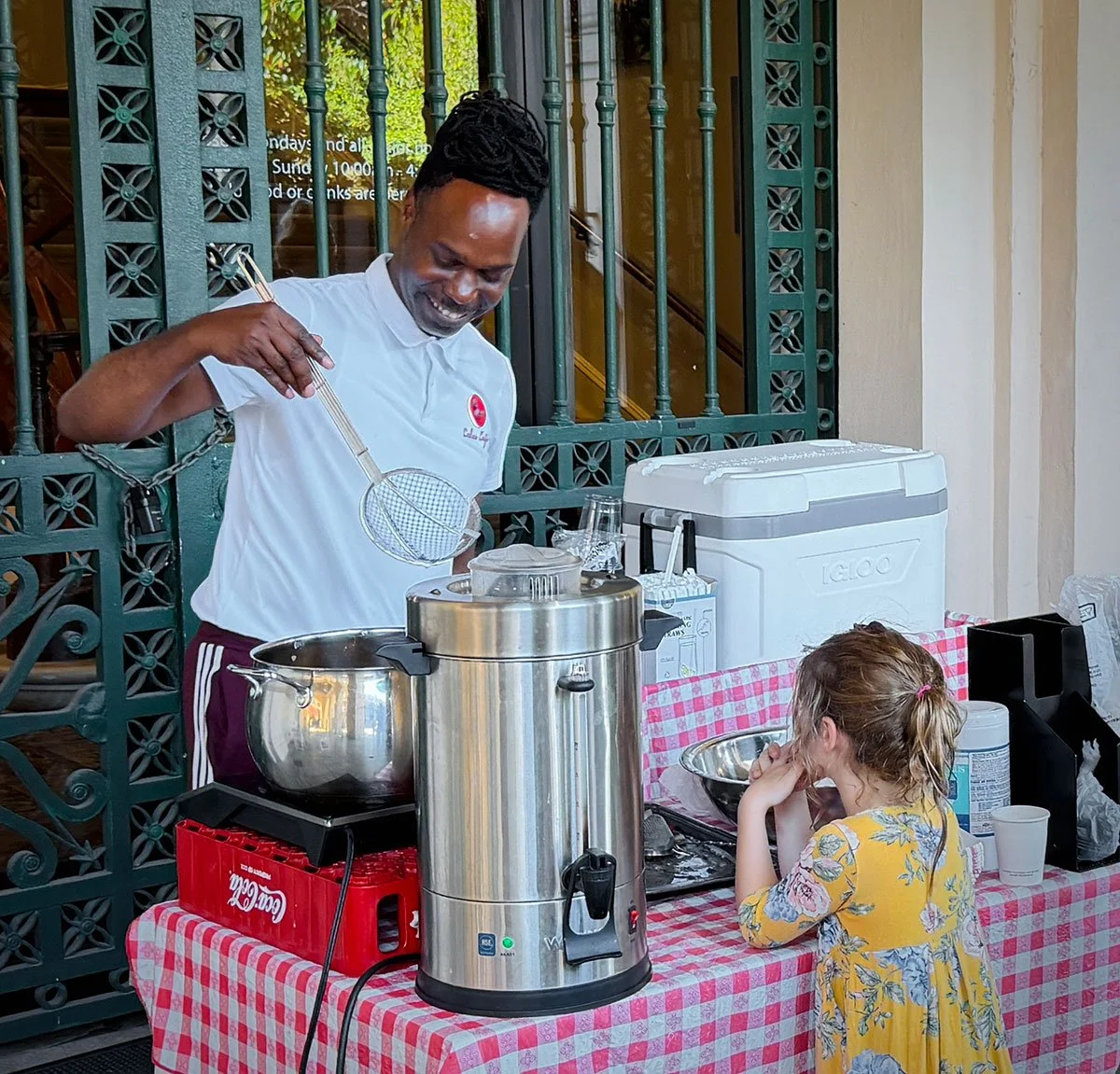
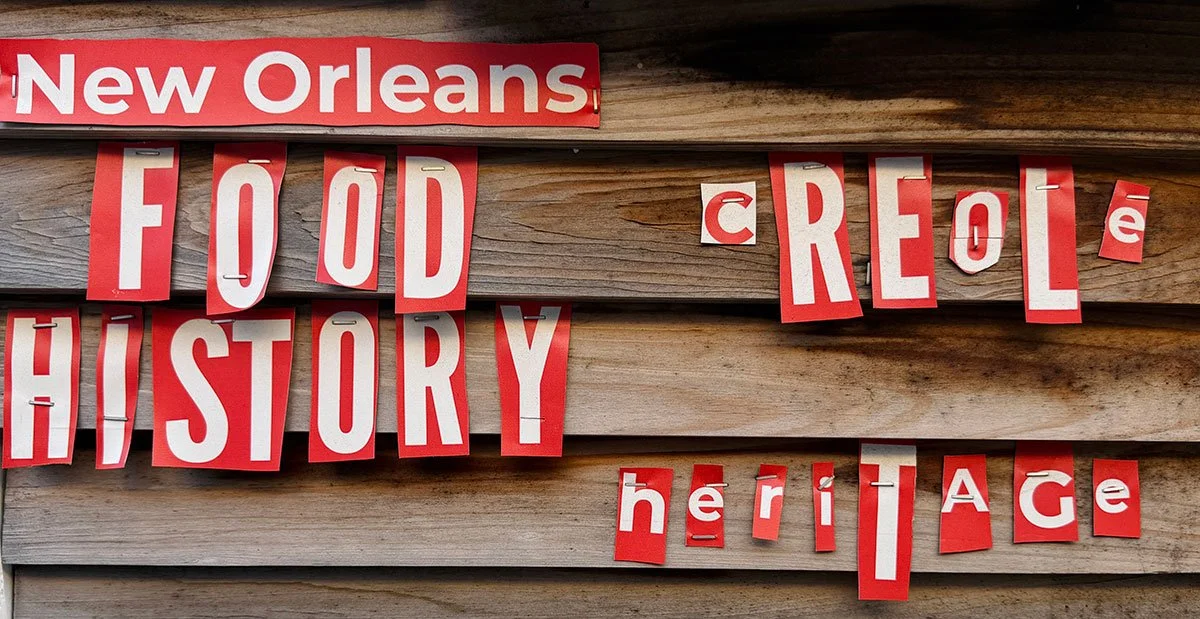
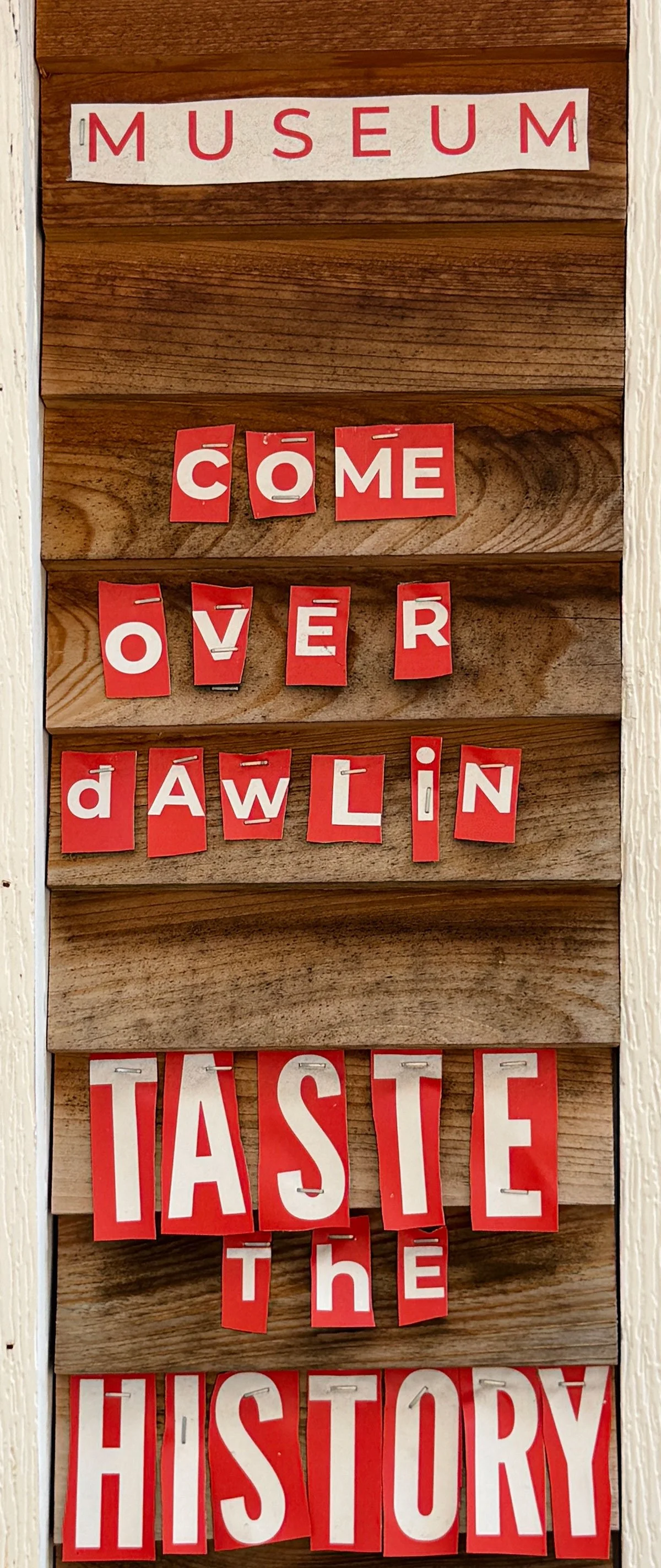
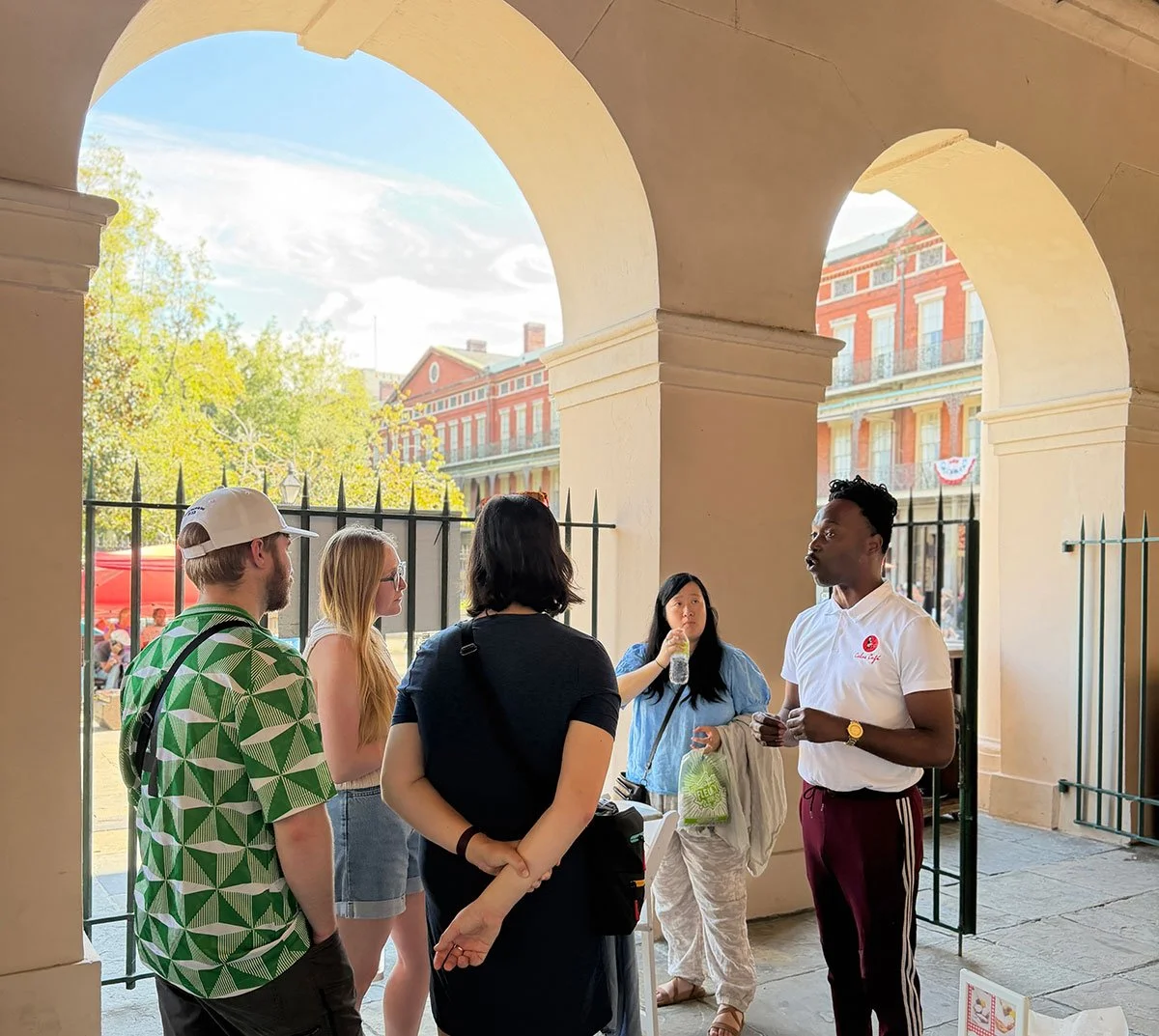
Early this year, local proprietor Brandon Pellerin launched his small pop-up Calas Cafe on the edge of Jackson Square in front of The Cabildo. What began as a temporary installation, only to last three months, has been extended indefinitely.
“I understood what this dish meant to the people of New Orleans,” says Pellerin. “I saw the value that Calas Cafe would have for tourism, for people seeking to experience our culture and our history.”
A New Orleans native, Pellerin grew up in Bywater, the third-eldest of a large family with eight children. Watching his grandfather cook is among his earliest and most cherished memories around food.

This column is underwritten in part by Painting Catherine, a portrait of New Orleans in the 1920s Learn more about the book here.
“My grandfather used to send me out of the house to catch Mr. Okra’s truck and the joke was ‘they aint got no ice cream on that truck!’ He was the type of cook who enjoyed sitting at his kitchen table chopping up fresh produce, piles of onions and celery … making his roux.”
But everything changed one day when Pellerin, aged 13, wandered into a community garden created by a now-defunct nonprofit organization, Parkway Partners. Founded in 1982 by the former director of the New Orleans Department of Parks and Parkways Flo Schornstein, Parkway Partners was an environmental group dedicated to preserving, maintaining and beautifying greenspaces. Their mission included tree planting, horticultural programs, neutral ground adoptions and supporting schoolyard and community gardens throughout the city.
“We would take blighted property and turn it into greenspaces and… community garden projects, and I really took to that,” explains Pellerin. “I got excited about growing our own produce and selling it to people in the community.”
A budding entrepreneur, Pellerin was only 15 when he hit on the idea of using the fresh herbs – such as thyme, sage and rosemary – grown in his community garden to make compound butters. “It was my first connection to food products and food security.”
Pellerin landed in New York after Hurricane Katrina, where he continued selling his compound butters and other herbal products, but after a decade away, he returned with plans to start a new business in his hometown.
With support from Propeller, a Central City startup incubator, Pellerin succeeded in launching Harvest NOLA, a “for-profit organization that creates access to affordable farmed goods” through a mobile market, farmers markets at St. Roch, and Fish Frys from his home in Tremé. Selling calas seasonally in his neighborhood naturally grew out of the work he was already doing.
“My grandmother loved to make calas and it was always a part of family celebrations; for Mardi Gras we would have calas, coming home from church or first communion, we would have calas,” recalls Brandon.
“I became interested in how our culture developed through food and it got me thinking about calas, which I was around all of my young life, and the role that it played in the history of New Orleans.”
***
Cala (pronounced “ka-la”) is a sweet, fried rice fritter made with cooked rice, yeast, sugar, eggs and flour and is said to originate in West Africa. When slaves were brought to the Americas, the recipe for calas (along with many other culinary traditions) came with them.

A calas vendor in an 1886 wood engraving by E.W. Kemble, The Historic New Orleans Collection, 1974, 25.20.126
In 2013, local food activist and television personality Poppy Tooker made it her mission to reignite the city’s age-old love of calas through publicized cooking demonstrations and interviews with national publications. In an article for 64 Parishes, a project of the Louisiana Endowment for the Humanities (LEH), Tooker writes about how the fried rice cakes were once a path to freedom.
“Calas acquired a mythical status in nineteenth-century New Orleans. Their story bears reflection on the Code Noir, which was established and promulgated in French colonial Louisiana in 1724. With various modifications from the Spanish and Americans, the code established all guidelines regarding interaction between enslaved people, free people of color, and white people. One portion required all enslaved people be allowed to rest on Sundays and holidays.
Many images and written descriptions of the so-called ‘cala woman’ exist from the eighteenth and nineteenth centuries, all depicting a Black woman “in quaint bandana tignon, guinea blue dress and white apron,” frying calas in a coal-heated brazier or carrying them wrapped in cloth, balanced in a basket on her head.”
The story held that these vendors sold calas on their “day off,” using the proceeds to purchase their freedom through “coartación,” a Spanish law that allowed enslaved people to negotiate a form of installment payment toward their emancipation.
At the time, only white people and free people of color could obtain street vending licenses, and typically most of the money earned by enslaved “calas women” wound up in their owner’s pockets. That being said, manumission – either voluntarily or through contract – did often occur. Over three decades of Spanish rule, approximately 2 to 4 percent of enslaved people were able to gain their freedom, a majority of whom were women.
Interestingly enough, the last known calas vendor in the French Quarter was a man, Richard Gabriel, who continued the longstanding tradition until he passed in 1972.
***
When the demand for calas increased at his cottage industry cafe, Pellerin approached Executive Director Gia Hamilton at the New Orleans African American Museum about doing a Calas Cafe pop-up.
“They didn’t hesitate to jump into a partnership that added value to the museum experience.” Pellerin and his crispy-fried calas dusted in powdered sugar remained an event staple at the museum for a year until the cafe gained its current residency at The Cabildo.
Calas Cafe’s guests can enjoy a sweet, deep-fried taste of history, made from a modified version of Pellerin’s grandmother’s recipe and served dusted with powdered sugar and dotted with lemon curd.
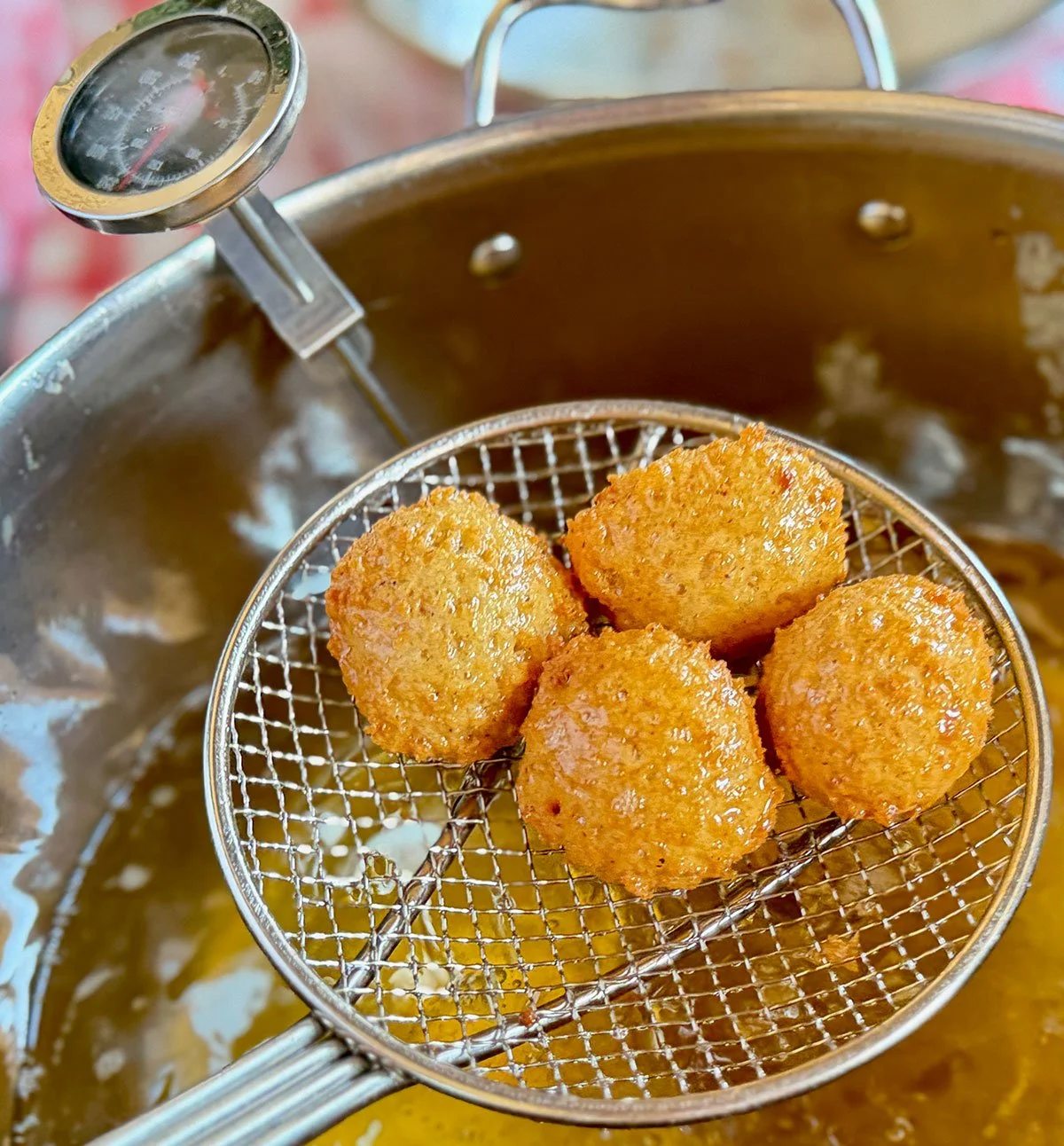
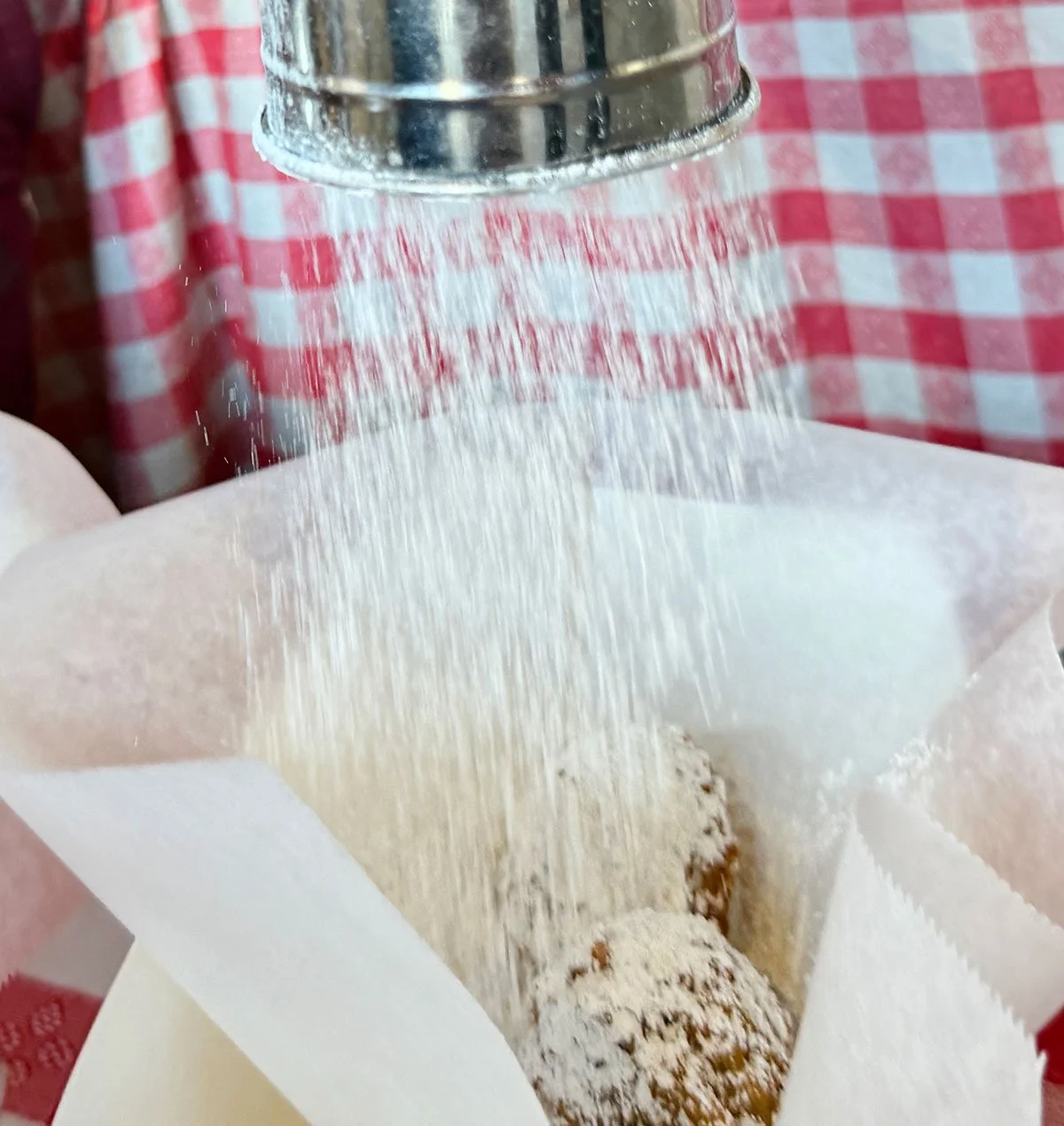
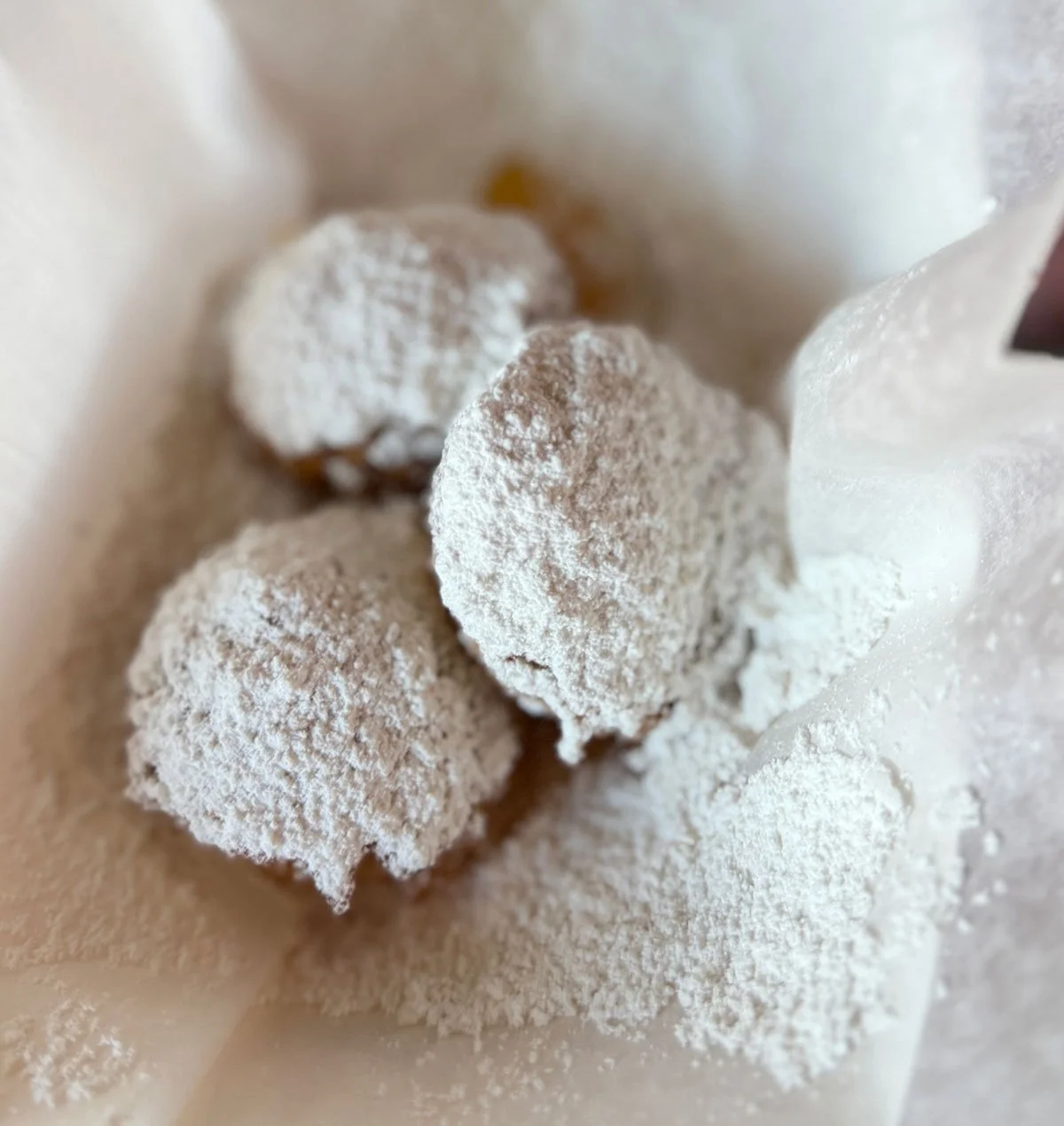
The café also offers a Rose Nicaud café au lait, named after the “Coffee Queen of New Orleans,” a local heroine who made the transition from enslaved to successful entrepreneur selling coffee in the French Market for over 40 years.
“With our cup of Rose Nicaud, we’re honoring New Orleans’ oldest known coffee pushcart vendor and her contributions.”
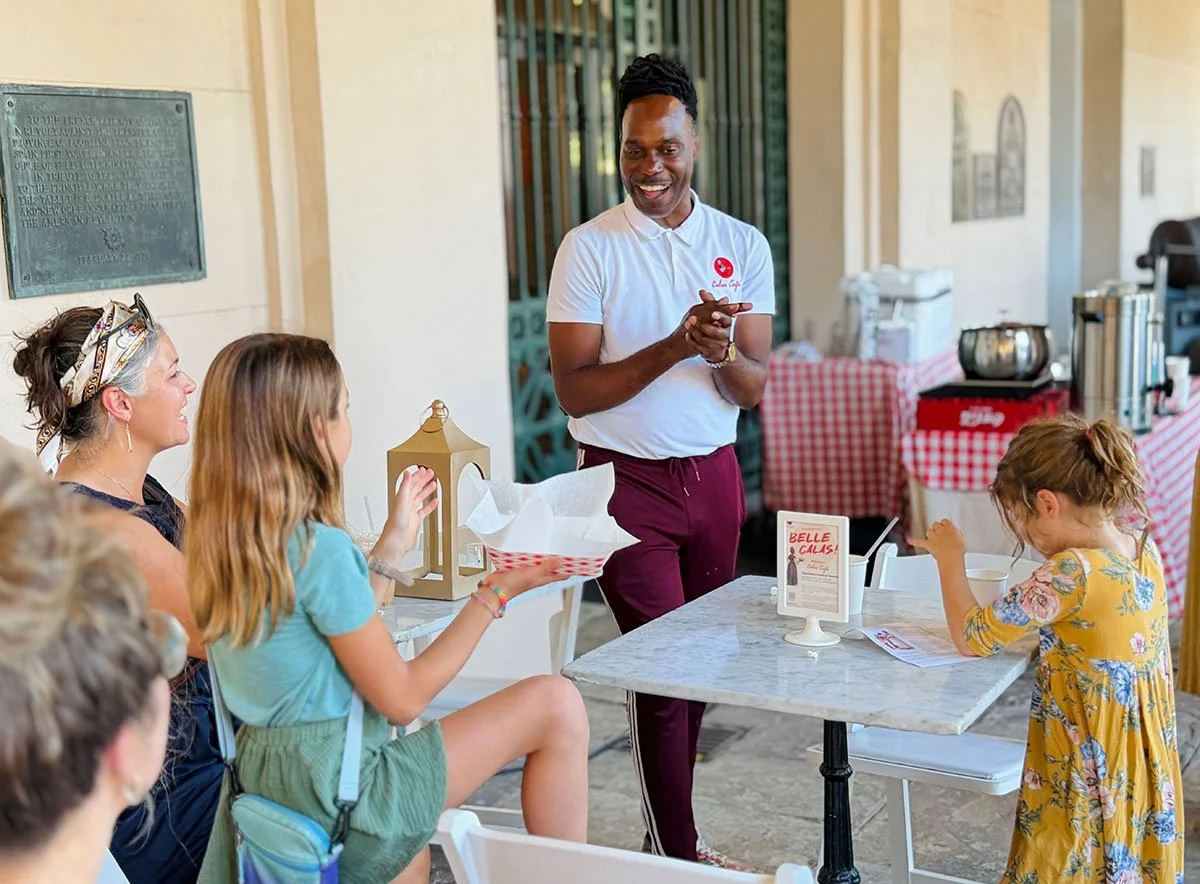
Friendly and effusive, Pellerin is eager to share the story of calas with visitors to the museum. Given the chance, he’ll regale you with the story of calas, the women who sold them, and their fight for freedom.
“With the beignet being so dominant here, it’s important for us to talk about the dish that predates it and inspires its very existence, the journey and fascinating history of calas and what it represents.”